Martin Luther King Jr. had a dream. I have a vision. My vision is for most people in the world to feel engaged at work. It’s an audacious goal consisting of you and me experiencing genuine excitement on Sunday nights as we prepare for the start of our work week. A vision that normalizes inclusive leadership.
Inclusive leadership is a proven driver of engagement, fairness and belonging at work. People perform their best when they have a voice in decisions, are treated fairly and feel their unique experiences are valued. These aren’t just feel-good concepts; they define effective leadership and high-performing workplaces.
Yet, common sense doesn’t always translate into common practice. Despite the clear benefits, Gallup reports that only 20% of employees globally, and just 33% in the U.S., are engaged at work. This engagement gap reflects a deficit of leaders cultivating cultures of respect and belonging. The consequences are costly: disengaged teams experience higher turnover, lower productivity, absenteeism and poor morale.
Gallup research shows that 70% of the variance in team engagement is attributable directly to the manager. Effective leaders are the difference between thriving employees and those who feel excluded and undervalued.

Influencing change from any position
You don’t need to sit at the top of the organizational chart to drive culture change. Leadership is about influence, not job title. Use stories, statistics and strategies to champion inclusivity and engagement wherever you are.
1. Harness storytelling
Stories are one of the most underused leadership tools. They can bridge generations, simplify complex problems and clearly communicate vision.
Take King’s journey: his setbacks, like the initial failures in Albany, Georgia, ultimately paved the way for landmark successes in civil rights. The civil rights campaign of 1961-62 in Albany, Georgia, aimed to desegregate public facilities. After failed attempts to implement those wishes, King faced backlash for not making political progress and for the protests becoming increasingly violent, leading to many arrests.
After analyzing the root causes of the setbacks, King was able to orchestrate a broader strategy, leveraging strategic partnerships and alliances and more specific goals around voter registration, boycotts and legal challenges. This renewed focus on dismantling unjust laws and practices around segregation, as well as engaging with local youth to promote nonviolence, led to the Civil Rights Act of 1964 and the Voting Rights Act of 1965.
King’s willingness to learn from mistakes and adapt his approach offers a powerful model for leaders: embrace a growth mindset, cast a compelling vision, form the right partnerships and persevere.
2. Use data to create urgency
Pair stories with data to make the case for change compelling and actionable. For business leaders, statistics on turnover, lost productivity, and missed innovation opportunities present a clear, measurable risk in failing to foster inclusion. When people understand both the emotional and business costs of disengagement, change feels urgent and possible.
3. Offer clear, practical strategies
Complex solutions rarely translate to sustainable change. Focus on simple, memorable strategies that help build skills and shift mindsets, like leadership training, executive coaching, and collaboration groups.
- Leadership training should help managers blend empathy with accountability, cultivating workplaces where every voice counts.
- Executive coaching goes deeper, empowering leaders to challenge their blind spots and optimize outcomes.
- Collaboration groups encourage cross-functional dialogue, accelerate innovation, and gather diverse feedback for ongoing improvement.
These strategies transform insights into action and promote cultures where inclusive leadership thrives. Leaders who practice these habits regularly see higher engagement, more innovation, and stronger business results.
The call to action
Turning this vision into reality starts now. Every leader’s willingness to act inclusively lays the foundation for workplaces where everyone can thrive. When we invest in inclusive leadership, we turn setbacks into innovation, disengagement into excitement, and obstacles into new opportunities. Your leadership can shape a workplace that current and future generations are proud of. Start today by intentionally seeing, hearing and valuing others.
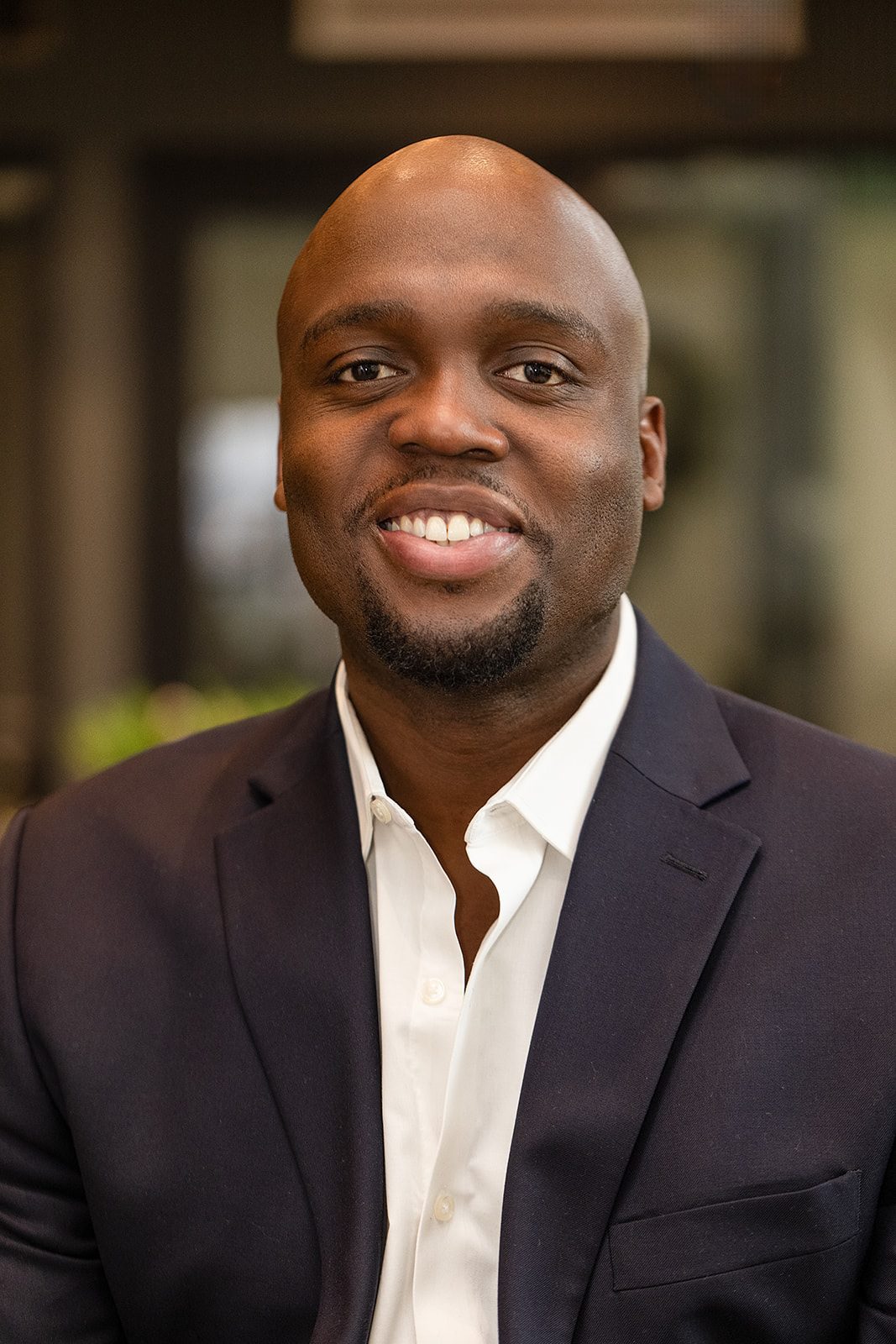
Andrew Adeniyi is the CEO of AAA Solutions.