
Indianapolis stands on the threshold of one of the most significant years for public education in recent history. In 2026, state lawmakers will consider recommendations from the Indianapolis Local Education Alliance (ILEA).
These proposals could reshape how public schools across our city operate, collaborate and are held accountable. These decisions come at a time when our progress is real, but fragile, and when the future of our students depends on choices rooted not in politics or power, but in fairness, equity and urgency.
Important educational gains in 2025
This past year, Indiana celebrated the largest single-year increase in IREAD proficiency since the test began. Statewide, third-grade reading levels are finally back to pre-pandemic levels. These gains are not accidental. They are the result of policy passage, and targeted, community-driven interventions — including programs like RISE INDY’s Freedom Readers.
In 2024, RISE successfully advanced state literacy policy to require mandatory literacy interventions for second and third-grade readers who were trending below grade level on IREAD. This policy provides the support and resources for kids to thrive in the most critical years of K-12 education.
In addition to statewide literacy policy, RISE’s Freedom Readers program trained Indianapolis parents in Science of Reading strategies so they can reinforce literacy at home. Our Freedom Readers Fellowship placed highly trained parents directly into Marion County classrooms as literacy coaches. This year’s first graduating cohort contributed to stronger literacy outcomes and built new employment pathways for families, impacting over 3,000 students in 2025.
In addition to literacy supports, RISE stood in the gap for graduating seniors by providing $50,000 in scholarships to graduates within IPS boundaries. At our College Signing Day, students were celebrated, uplifted and awarded for their hard work. These scholarships, for many students, represented hope and a provision that helped close the gap to support our scholars in college.
With much progress, we cannot ignore the reality that we still have far to go.
Only 26 percent of Marion County students in grades 3 through 8 passed the English Language Arts portion of ILEARN last year. Many Indiana schools remain below 50 percent proficiency on IREAD. And in nearly every district, white students outperform Black and Latino students by margins as high as 20 to 40 percentage points.
These gaps represent deep, systemic inequities. We cannot accept an education system where a child’s opportunity depends on their race, neighborhood or income.
State lawmakers must choose students over politics
RISE INDY supports examining transportation, facilities and accountability through a citywide lens. But any solution must be rooted in equity and fairness for all public school students — district and charter.
Here is what must happen next.
1. Protect IPS’ ability to continue its academic progress.
Under Superintendent Aleesia Johnson’s leadership, IPS has seen historic gains in high school graduation rates, new college partnerships and stronger student academic performance. IPS must retain enough authority to build on this momentum. Any structural changes must strengthen, not weaken, the district’s ability to continue yielding these academic gains.
2. Create an independent transportation authority.
Nearly 6,000 Indianapolis public school students — majority Black — lack reliable transportation. If children cannot get to school safely, they cannot learn. An independent transportation authority would ensure every school provides reliable access to every student within IPS boundaries, reducing barriers that consistently fall hardest on Black and low-income students.
3. Maintain smart and accountable charter school authorization.
Charter schools play an important role in Indianapolis, but growth must be intentional and aligned to quality. Strong authorizers like the Mayor’s Office of Education Innovation and the Indiana Charter School Board ensure schools meet high standards and remain accountable to students and families. Smart growth means maintaining two strong charter school authorizers that prioritize high-quality options for students, not simply increasing the number of schools.
4. Establish a unified accountability system for all public schools.
Every school receiving public dollars should be held to the same clear, high expectations. Families deserve transparency. Students deserve consistency. And schools deserve a system that measures success fairly across all governance models. A unified accountability framework must prioritize students who have historically been underserved — including Black, Latino, special education, English language learners and low-income students.
The path ahead requires all of us
The 2026 legislative session will shape the next decade of education in Indianapolis. Lawmakers will play a central role, but the voices of families, educators and community members must guide this work.
RISE INDY will be at the Statehouse advocating for solutions that center student outcomes. We invite families and community members to join us by visiting RISEINDY.org and engaging in the work ahead.
This is a moment for courageous leadership. We have the data, the progress and the community strength to create an education system that works for every child. Now we must choose to act together.
Indianapolis deserves nothing less.
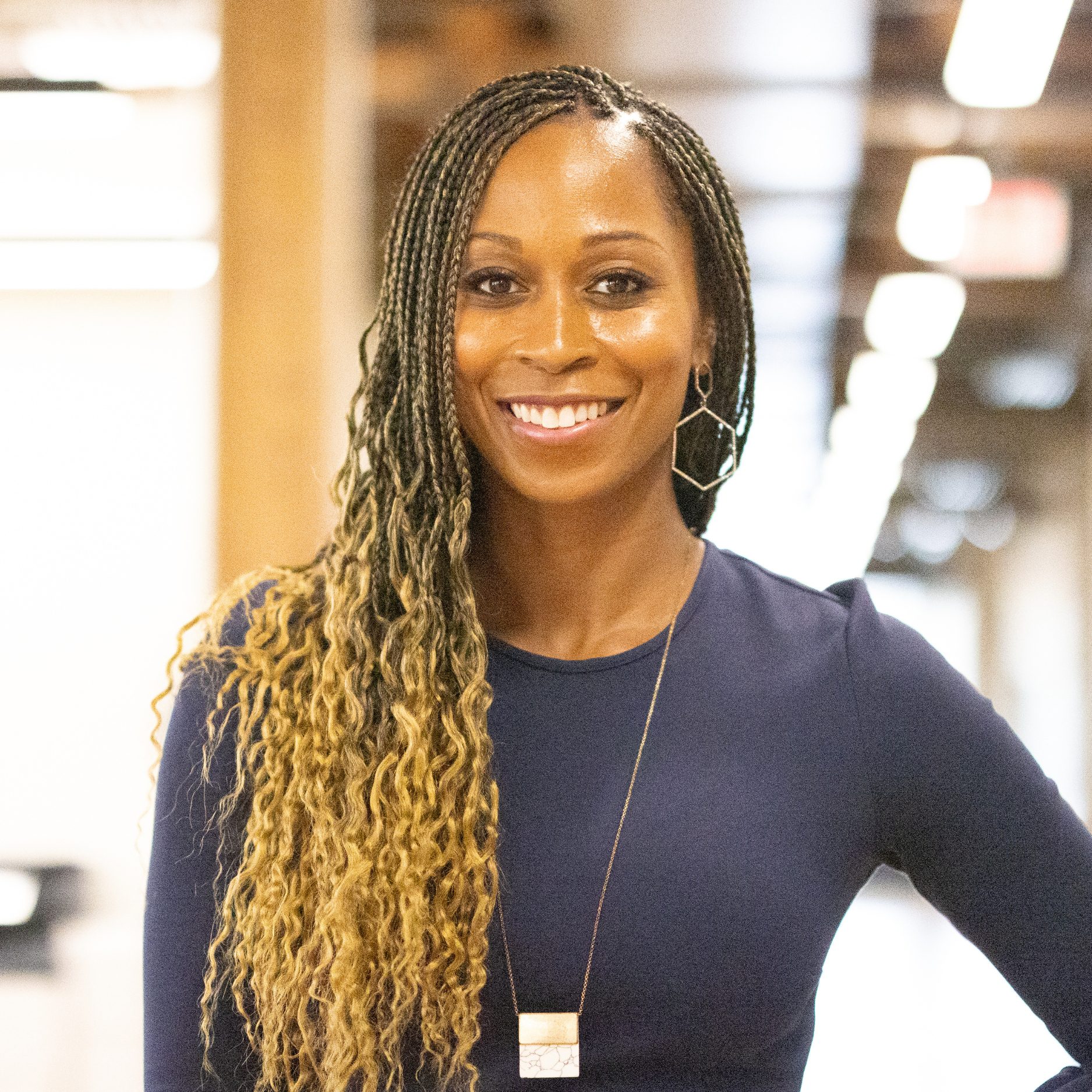
Jasmin Shaheed-Young is the founder and CEO of RISE Indy. For more information, visit riseindy.org.



