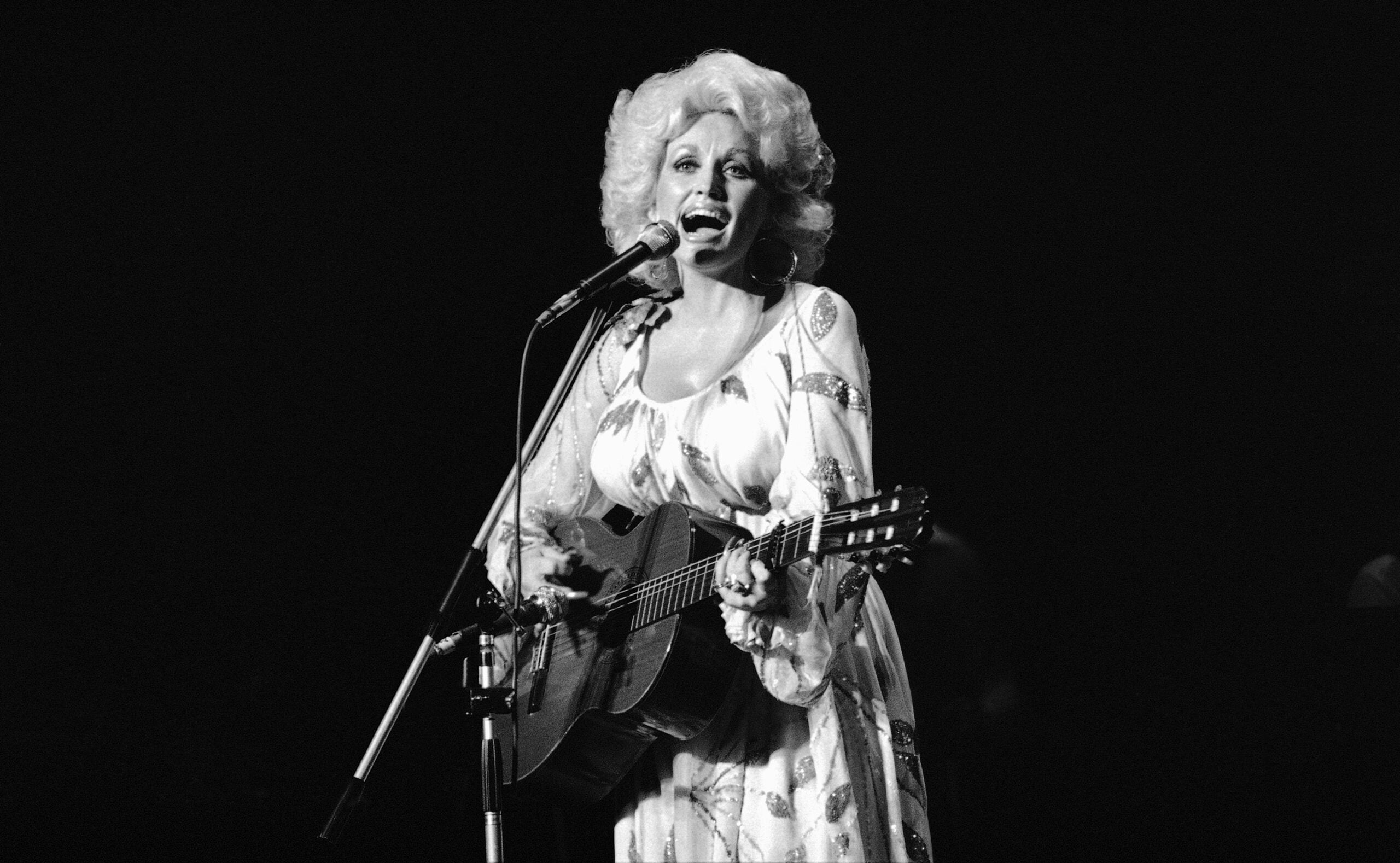
“Black america loves dolly parton because dolly parton loved black america.” – Noral Parham.
When the world lost Dolly Parton on Aug. 25 at the age of 80 following a battle with cancer, the immediate cultural reaction was one of profound, unifying disorientation. Tributes poured in from international heads of state, country music traditionalists and hip-hop icons alike, all mourning the architect of the modern American songbook.
But beneath the glittering rhinestone exterior, the sky-high wigs, and the 100 million records sold lay a much deeper, quieter legacy. Dolly Parton operated with a relentless moral compass—a framework her family playfully dubbed “Dollitics”—that prioritized radical empathy and intersectional inclusion above all else. For Black America, Dolly wasn’t just a country music superstar; she was a quiet, steady force of economic empowerment, cultural validation, and fierce institutional allyship.
To grasp Parton’s capacity for radical empathy, one must understand the servile poverty of her Appalachian origins. Born in a one-bedroom cabin in the Great Smoky Mountains to a sharecropping family, she developed an abundance mindset early on that defined her entire adult life. She understood what it meant to be overlooked by the establishment, and she spent seven decades using her immense privilege to force open doors so others could walk through.
In an era when country music actively upheld rigid, racialized segregation, Parton refused to gatekeep the genre. During the 1960s, she fiercely championed Charley Pride as he shattered the country color barrier, publicly validating his vocal superiority over his white contemporaries.
But her most profound act of cross-racial economic intercession was indistinguishably tied to Whitney Houston.
In 1974, Elvis Presley demanded to cover Parton’s composition “I Will Always Love You,” but only if she surrendered half the publishing rights. Recognizing the song as her family’s long-term financial security, Parton refused. Almost two decades later, Houston recorded the definitive, world-stopping version of the track for the film “The Bodyguard.”
Because Parton retained 100 percent of the publishing copyright, Houston’s cover generated a massive financial windfall for the country star. Rather than hoarding that capital in traditional, white-dominated sectors, Parton utilized the millions in royalties to purchase a 6,317-square-foot commercial complex in Nashville’s Sevier Park neighborhood. This historically Black district had suffered from systemic redlining and infrastructural neglect.
“It was a whole strip mall, and I thought this was the perfect place for me to be, considering it was Whitney,” Parton stated in a 2021 interview. “I thought this was great — I’m just gonna be down here with her people, who are my people as well. So I just love the fact that I spent that money on a complex and I think, ‘This is the house that Whitney built.'”
Parton possessed an extraordinary willingness to dismantle institutional harm within her own lucrative empire. When public scrutiny fell upon her “Dixie Stampede” dinner theater attraction in 2018 for its romanticization of the antebellum South and use of a term inseparably linked to the Confederacy, Parton abruptly dropped the word “Dixie” from the multi-million dollar enterprise.
“As soon as you realize that [something] is a problem, you should fix it,” Parton said in an earlier interview. “Don’t be a dumbass. That’s where my heart is. I would never dream of hurting anybody on purpose.”
During the summer of 2020, as the nation erupted in racial justice protests and the mainstream country music industry largely retreated into silence, Parton broke rank. In a highly publicized interview, she offered a direct, unequivocal statement of support for the humanity of Black Americans: “Of course Black lives matter. Do we think our little white asses are the only ones that matter? No. Everybody matters.”
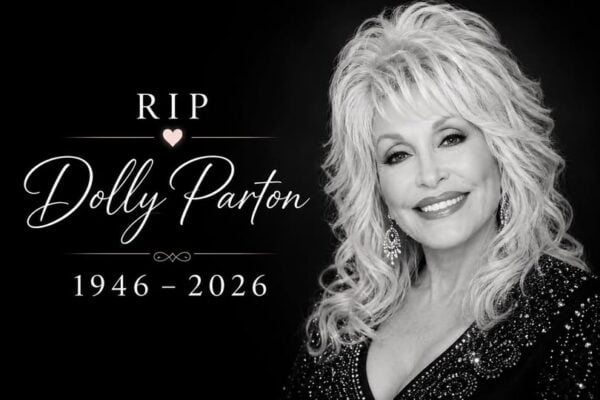
Parton’s relationship with Black America was never transactional nor performative. From sharing a joyous, impromptu duet of “Shortnin’ Bread” on national television with Patti LaBelle — using their long acrylic nails to keep the rhythm — to publicly celebrating Beyoncé’s fierce, Creole-infused reclamation of “Jolene” on the groundbreaking “Cowboy Carter” album, Parton celebrated Black excellence with pure, unadulterated joy.
Following her passing, Beyoncé referred to Parton as “The North Star,” thanking her for her profound impact on the world.
Dolly Parton’s enduring covenant with Black America is a testament to the fact that true cultural power is not found in hoarding space but in the relentless dedication to widening the circle. She succeeded in her everlasting goal: making the world feel seen, heard, and loved, wrapped entirely in a coat of many colors that had enough room for everyone.
Black America loved Dolly because Dolly unequivocally, unapologetically, unwaveringly loved Black America. We will miss you.
Noral Parham is an award-winning multimedia journalist and senior sports reporter for the Indianapolis Recorder and Indiana Minority Business Magazine. You can reach him at 317-762-7846 or noralp@indyrecorder.com.

Noral Parham is the multi-media reporter for the Indianapolis Recorder, one of the oldest Black publications in the country. Prior to joining the Recorder, Parham served as the community advocate of the MLK Center in Indianapolis and senior copywriter for an e-commerce and marketing firm in Denver.