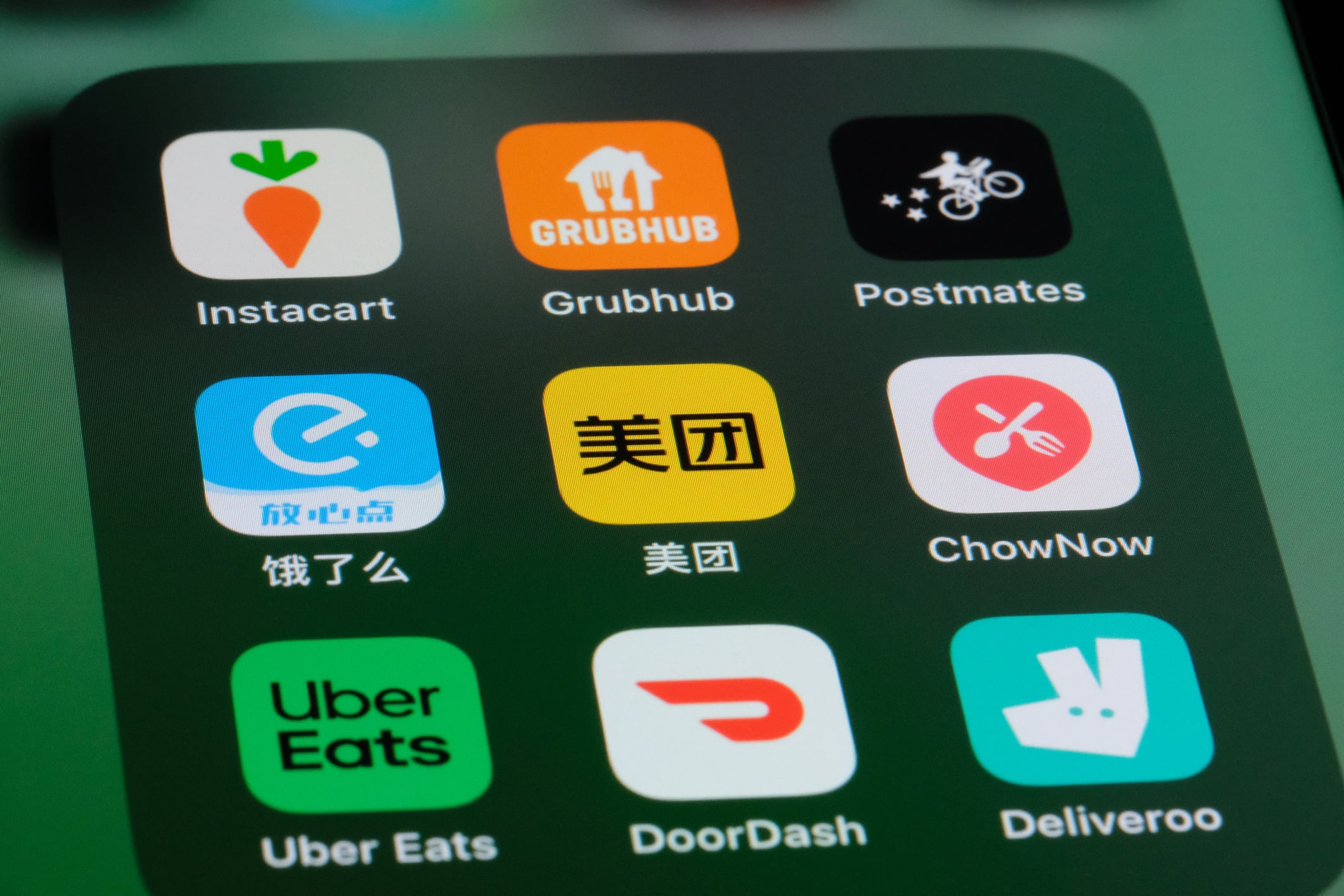
In a major consolidation in the delivery and local commerce sectors, DoorDash announced a definitive agreement to acquire Maplebear Inc., which operates as Instacart, for approximately $17 billion.
Under the terms of the agreement, DoorDash will acquire Instacart for $65.00 per share, representing a 26% premium over Instacart’s closing stock price on Oct. 22. The transaction consideration will consist of at least 75% cash, with Instacart stockholders given the option to elect cash, DoorDash common stock, or a combination of both, subject to proration limits. Instacart’s board of directors has unanimously approved the deal.
Executives from both companies emphasized that the merger is designed to strengthen local commerce and help independent retailers and grocers compete against major online retail conglomerates. While the majority of grocery shopping still occurs in physical storefronts, online ordering has accelerated rapidly. Company leaders noted that independent grocers and small merchants operating on thin margins struggle to fund proprietary delivery fleets, warehousing systems, membership programs, and artificial-intelligence shopping assistants.
“Families turn to Instacart for the big weekly shop and to DoorDash for meals and nearly anything else they need from their neighborhood in under an hour,” Co-founder and CEO of DoorDash Tony Xu said in a statement. “Together, we could give stores of every size more of those tools and unlock the potential of grocery delivery. It’s still early innings, but we know that when more people shop local, more dollars stay local.”
The combined operation will integrate DoorDash’s extensive delivery network and logistics technology with Instacart’s grocery fulfillment platform, advertising ecosystem and AI tools. Retailers will be able to use these solutions on their own websites as well as in marketplace apps.
“Over the last 14 years, Instacart has transformed online grocery by helping retailers of all sizes compete and grow, and joining forces with DoorDash allows us to do even more,” CEO of Instacart Chris Rogers said in a press release. “When our purpose-built grocery technology and trusted retailer and brand relationships are combined with DoorDash’s global consumer reach and logistics capabilities, we can create new opportunities for our retail and brand partners, offer an even better experience for customers and shoppers, and deliver compelling value for our shareholders.”
The acquisition is expected to introduce several consumer and merchant benefits following its close. Customers will gain access to more than 50,000 additional stores, bringing the total to nearly 100,000 merchants on the Instacart platform. Additionally, DashPass and Instacart+ subscribers will be able to combine their memberships for a single fee, an integration estimated to save members $100 million annually.
For gig economy workers, the companies stated that increased order volume from local stores will expand earning opportunities for Dashers and Instacart Shoppers. Workers will retain flexibility in when and how they earn, choosing among grocery orders, restaurant deliveries, or both. Furthermore, DoorDash committed to maintaining an open platform with no grocery exclusivity, allowing local stores to partner with any delivery service. Instacart shoppers will also keep their existing batch selection features and flexibility.
Following the transaction, DoorDash plans to preserve the Instacart brand, app and enterprise technology products. Until regulatory approvals and closing conditions are met — including review under the Hart-Scott-Rodino Antitrust Improvements Act and approvals in Canada and Israel — both companies will continue to operate independently. Approximately 19% of Instacart stockholders have agreed to vote in favor of the merger.
Contact Staff Writer Noral Parham at 317-762-7846 or noralp@indyrecorder.com. Follow him on X @3Noral. For more business news, visit indianapolisrecorder.com.

Noral Parham is the multimedia and senior sports reporter for the Indianapolis Recorder, one of the oldest Black publications in the country. Before joining the Recorder, Parham served as the community advocate at the MLK Center in Indianapolis and as a senior copywriter for an e-commerce and marketing firm in Denver. He is also a business owner.