Black history’s future will not be decided by hashtags. It will not be saved by vibes.
And it will not survive on celebration alone.
The future of Black history will be won or lost at the intersection of culture, policy and power.
Right now, culture is doing much of the heavy lifting. Across the country, Black creators, historians, artists and educators are telling stories that were once erased or ignored. Podcasts, documentaries, books and community events are bringing long-hidden narratives to the surface. These efforts matter. They shape identity, restore dignity, and reconnect communities to their roots.
Culture is alive!
But culture alone is not enough.
While communities celebrate Black history, policies are being written that quietly shape what future generations will learn. School curricula continue to be revised. Funding decisions are made. Museums and cultural institutions face budget cuts. Certain stories are labeled controversial, divisive or optional. In some cases, entire chapters of history are softened, shortened or removed.
Power does not argue with culture. Power waits it out.
Those who control education systems, public funding, and institutional narratives understand something important: if you control what is taught, you control what is remembered. If you control what is remembered, you shape what people believe is possible.
That is why Black history is always contested terrain. Not because it lacks value, but because it carries power. The power to challenge national myths, expose economic injustice, and reveal how resistance shaped this country long before modern movements existed.
When Black history is reduced to a single month, stripped of context, or reframed into feel-good stories without consequence, that is not accidental. It is strategic. Visibility without protection is temporary. Representation without institutional backing is reversible.
True preservation requires infrastructure.
The future of Black history will belong to those who build and protect systems that outlast trends: independent archives, protected curricula, funded cultural institutions, owned media platforms, and digital preservation tools designed to safeguard truth rather than distort it. Celebration sparks awareness, but policy locks it in. Power decides whether it lasts.
This matters at the local level too. Cities like Indianapolis are home to rich Black histories from civil rights leadership, preservation of historical landmarks like Madame CJ Walker building, the BUTTER arts movement, entrepreneurship, education and cultural innovation. These stories deserve more than symbolic recognition. They deserve permanent space in classrooms, libraries, museums, and public memory.
The real question is not whether people care about Black history.
The real question is:
Who controls it?
Who funds it?
Who teaches it?
Who decides when it is allowed to exist?
History that challenges power is always challenged.
Black history’s future will not be decided in February.
It will be decided in school boards, budgets, courts, platforms and ownership.
At the intersection of culture, policy and power.
And if we are not thinking at that level yet, we are already behind.
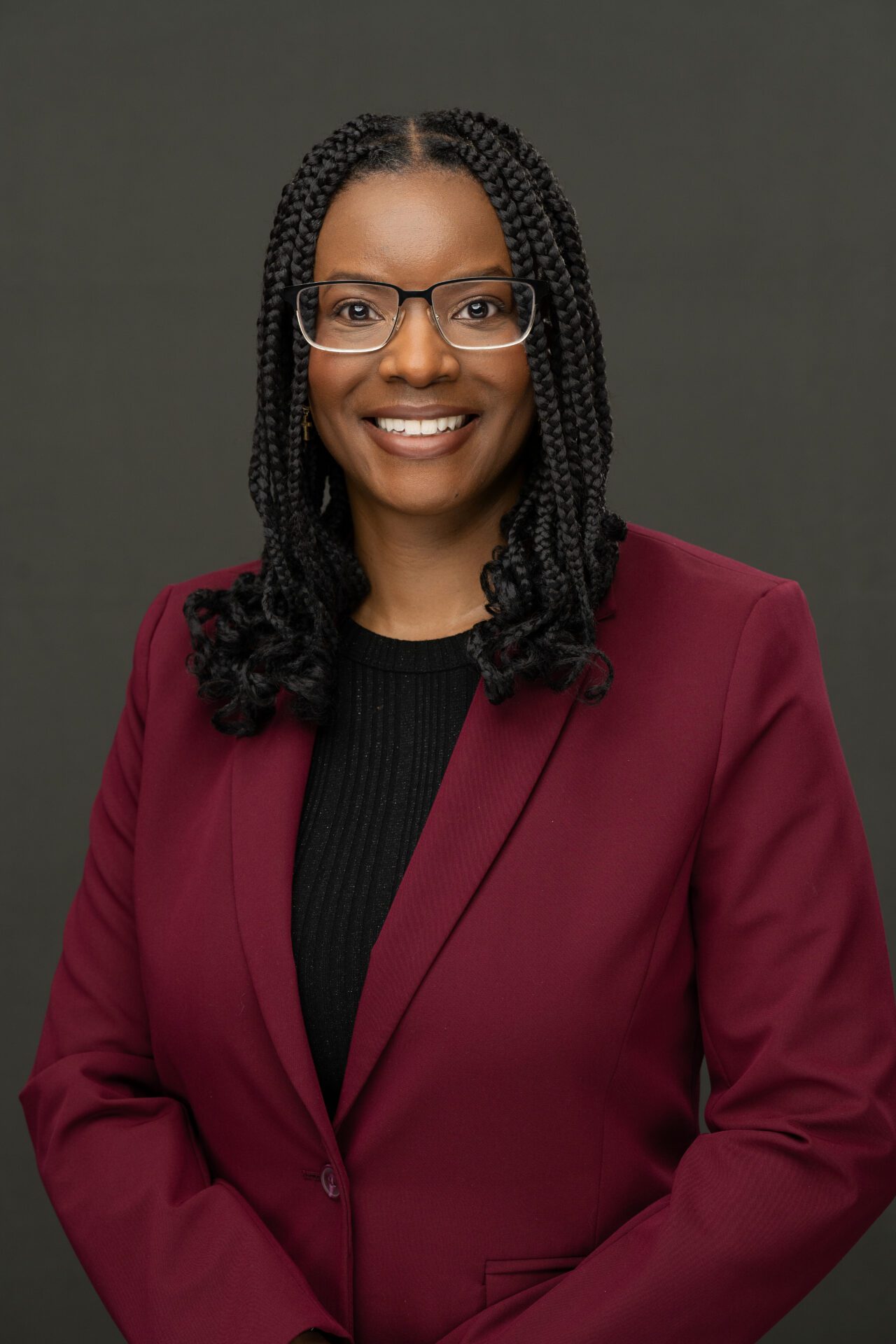
Brittany Wilkins is a historian and educator whose work focused on preservation and public understanding of understanding of underrepresented Black Histories. Follow Historians Connect work at HistoriansConnect760 on YouTube.
For more, visit indianapolisrecorder.com.