
TV shows, movies and the characters that inhabit them can have great influence over the viewing audiences. Until the late 1990s, audiences were at a loss for characters that resembled a variety of ethnicities. Current Black audiences in America have grown up with a handful of characters that resembled them such as DC’s Static Shock or Marvel’s amber-eyed vampire hunter, Blade.
However, Black representation in fictional and fantasy settings is about more than seeing or reading about a character that looks like a Black person. The modern characters and settings that inhabit these fictional stories have an opportunity to embody the culture and values associated with the complexion of that character.
“I think even in fantasy worlds … culture and identity matter, but Black people are not like a monolith, and the Black experience is not a monolith. So, I don’t want my characters to be like the tropes or stereotypes that people think of when they think of Black characters,” said fantasy fiction author K.R.S. McEntire.
McEntire, an Indianapolis native, portrays a multitude of Black characters in fantasy settings. In her book “Grace and Ghosts,” the main character Grace finds herself dealing with the emotional burden of her mother passing and her new ability to see and speak with the dead. Grace’s ability helps her solve the murder of a classmate’s brother.
Black audiences have not only endured limited representation in fiction, but also in the integrity, themes and characterization of the inhabitants of these worlds. Many narratives that feature Black characters and themes rely on common themes of slavery or discrimination.
Jason Crayton is the co-creator of the tabletop board game Factions: Battlegrounds which features various ethnic characters in a fantasy world. In this game, players are invited to the dangerous land of Graviterrus and take the role of a general in one of the game’s eight factions. This game allows for vivid personal expressions featuring a combination of culturally inspired designs and fantasy elements to deliver a truly unique experience for players.
“…We didn’t want to just represent people of color, but we also represent like the cultures behind it too, so just essentially doing the necessary research to kind of find the elements that would have fit for the world we were trying to build,” Crayton said.
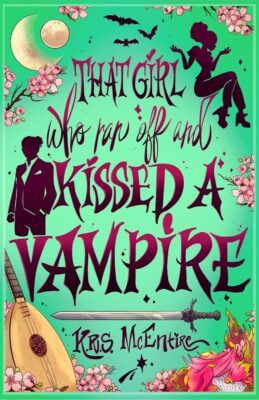
Stories such as Tomi Adeyemi’s “Children of Orisha” series or K.R.S. McEntire’s “That Girl Who Ran Off and Kissed a Vampire” highlight aspects of Black culture with in-depth themes and scenarios. In fiction and fantasy, characters and their cultures can take on new lives and tackle more nuanced tropes.
Marvel’s critically acclaimed film “Black Panther” explored a variety of themes often absent from Black characters and stories. The movie featured a Black king entrusted with fairly ruling a secluded nation that is equipped with the most versatile resource on the planet, a theme that is uncommon in both fiction and reality.
As Black fantasy creators like McEntire and Crayton reach more audiences daily, people everywhere can experience broader cultural representation.
For more information on McEntire’s books and other works visit their website https://krsmcentire.wordpress.com/ .
Also, for more information about Factions: Battlegrounds visit their website https://factionsbattlegrounds.com/ .
Contact Staff Writer Malik Simon at 317-762-7847.

Malik Simon is a Staff Writer for the Indianapolis Recorder Newspaper. Originally from Memphis, TN, he graduated from Mississippi Valley State University with a Bachelor of Arts in General Studies concentrating on journalism. Before joining the Recorder, he wrote for the Devil’s Gazette newspaper at MVSU and served as a freelance content and video editor. He seeks to use media to help communities flourish through literacy and factual reporting.










