When Martin University announced it would pause operations at the end of the semester, I felt the weight of that moment, and I know I was not alone. For more than 50 years, Martin has been a vital pathway for first-generation students, working adults and minority learners, offering not just classrooms, but a community invested in our success.
RELATED: Martin University to pause operations amid financial, enrollment challenges
This decision left many of us grappling with what such a loss would mean for our community and for educational equity across Indiana.
Let me be clear: Martin didn’t stumble because its mission was flawed. It faltered because the higher education landscape shifted around it. In contrast, Indiana’s only Predominantly Black Institution (PBI) was expected to carry out its work without the structural support that others receive. As someone who has spent years chronicling the stories of Indiana’s diverse communities, I believe we owe it to ourselves to speak plainly about how we arrived at this point and what must happen next.
Martin’s challenges did not begin overnight. As adult learners, the heart of Martin’s student body sought flexible, lower-cost options from institutions like Purdue Global and Western Governors University. Meanwhile, as local colleges such as Ivy Tech and IU Indy expanded their career pipelines and credentials, Martin faced mounting pressures. It operated with limited resources, without an endowment, and was strained by rising costs, accreditation demands, and an aging infrastructure.
These are systemic challenges, not moral failings. Anyone who has worked in higher education knows how hard it is for a small, mission-driven institution to compete with colleges backed by robust systems and more resources.
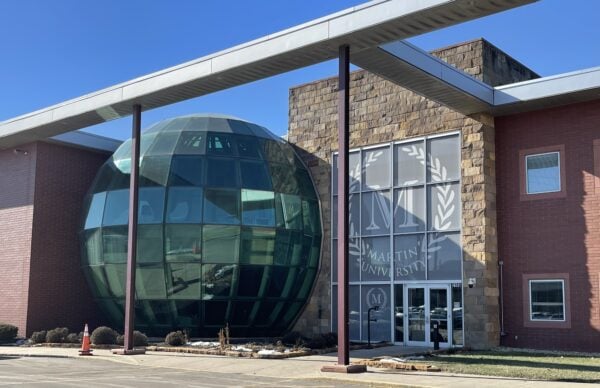
For decades, Martin University has offered opportunities to those historically excluded from higher education; yet, it has never received the kind of sustained investment that larger institutions have received. As Martin’s future remains uncertain, I believe Indiana stands to lose far more than just a campus; it will also lose a valuable asset. We risk losing a unique bridge for adult learners, first-generation students, and minority Hoosiers seeking a culturally affirming education.
“I believe reinvention is possible if we do it together.”
I believe reinvention is possible if we do it together. Martin’s future could be as a workforce and skills institute, an entrepreneurship hub or a micro-college focused on in-demand fields. But real change will require collaboration from business, philanthropic and civic leaders alike.
Indiana is home to an impressive network of colleges, universities, and institutions that serve our residents and state well. We are a state that prides itself on school choice, giving families and learners the freedom to find the path that works best for them. If we believe in that principle, then we must also ask a simple, honest question: Why not Martin?
If choice truly matters, then sustaining Martin should matter too. A society that celebrates educational options cannot allow one of its most essential options, the one built to serve first-generation students, working adults, and minority Hoosiers, to vanish without a meaningful attempt to sustain it.
“If Martin is going to rise again, we must move from commentary to commitment.”
If Martin is going to rise again, we must move from commentary to commitment. That includes business leaders, philanthropic partners, elected officials and every institution that claims to care about the community. Instead of asking who is at fault, we need to ask: what are we willing to build together?
The debate over Martin’s fate must give way to unified action. The future of Martin will not depend on who criticizes the loudest; it will depend on who steps up with vision, resources and unity. Indiana cannot afford to lose Martin University. And if we refuse to let blame divide us, we won’t have to.
The path ahead depends on us. Let’s meet this moment with unity, resources, and resolve and ensure Martin rises again.
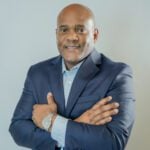
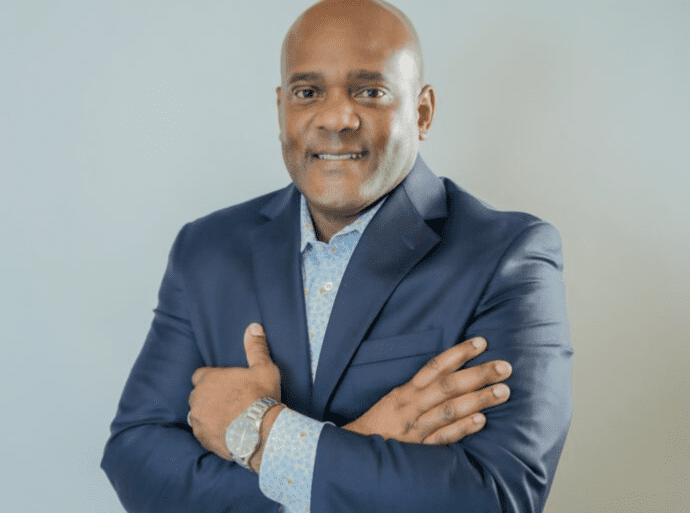
Robert Shegog is the president and CEO of the Recorder Media Group.