Most Americans think of New Year’s Eve as a night of celebration, filled with excited anticipation of New Year’s Day. But for millions of enslaved Black people in the United States, New Year’s Eve was a night of dread, and Jan. 1 — known as Hiring Day — was one of the most feared days of the year.
The institution of slavery fueled the Southern economy, and enslaved Black people were its currency. In slaveholding states, Hiring Day was when enslaved people were sold, leased or traded to settle white people’s debts. Families could be separated for a year — or forever — on that single day.
According to Olivia Waxman’s 2019 Time magazine article, Hiring Day transactions often occurred publicly, with enslaved people “handed over in town squares, on courthouse steps, and sometimes simply on the side of the road.”
As Jan. 1 approached, enslaved people gathered in homes or Praise Houses, hoping their loved ones would not be hired out, while fearing permanent separation. This fear was not abstract. Children could be sold away. Husbands and wives could be sent to different plantations, never to reunite.
Frederick Douglass, writing in 1845, called New Year’s Day “the most dreaded day in the whole year,” noting that the terror began the night before. Solomon Northup echoed this in “Twelve Years a Slave,” writing, “The approach of the day is dreaded, and the night preceding it is one of anxiety and fear.”
Formerly enslaved people interviewed in the 1930s remembered lying awake, listening, waiting, and praying. One person in Georgia recalled, “Come New Year’s Eve, you didn’t sleep much. Might be the last night you see your people.”
New Year’s Eve was not a party. It was a vigil. Enslaved people gathered quietly, sometimes secretly, in a solemn bond of togetherness. They prayed through the night, sang spirituals, held loved ones close and prepared themselves for separation at dawn. A formerly enslaved preacher in South Carolina remembered, “We stayed up praying through the night. We called it watching on the Lord.”

That phrase matters. No law protected them. No court would hear their pleas. God was the only witness they believed would still be there in the morning. These nights of watching were acts of survival and resistance — a declaration that while their bodies were owned, their souls were not.
Then came a pivotal night: Dec. 31, 1862. Enslaved and free Black people gathered across the country, waiting for midnight, when the Emancipation Proclamation would take effect. This moment is often taught as the origin of Watch Night, but the truth is Black people already knew how to watch. They had been watching for generations — watching for traders, for dawn, for judgment, for mercy. Emancipation did not invent Watch Night; it transformed it.
It was no accident that Abraham Lincoln signed the Emancipation Proclamation on Jan. 1, 1863. That act shifted the meaning of Jan. 1 from Hiring Day to Freedom Day. Yet the proclamation applied only to the states in rebellion. Those states had left the Union in 1861 to form their own nation known as the Confederate States of America.
Lincoln had no authority to govern them or to proclaim freedom for the millions of Blacks enslaved within their borders. Freedom, therefore, was proclaimed before it could be realized. Freedom for enslaved Blacks didn’t come until the end of the Civil War in 1865.
Still, Jan. 1 became a day of anticipation rather than terror. Today, Watch Night services in many Black churches continue the long-standing tradition of honoring those free and enslaved Black people who awaited with tip-toe anticipation of freedom on Jan. 1, 1863. But often, the original reason for Watch Night remains largely unknown and unrecognized. For enslaved people prior to Dec. 31, 1862, Watch Night was not about welcoming a new year. It was about remembering what it meant to survive the last one.
As we step into another New Year’s Day, we should ask ourselves what it means to celebrate Jan. 1 without reckoning with its total history. This date once marked the buying, selling and breaking of Black families, even as it later came to symbolize freedom promised but delayed. Watch Night is a reminder that progress has never arrived without people staying awake to injustice. If January 1 is to truly represent new beginnings, then remembering who once feared this day — and why —must be part of how we move forward.
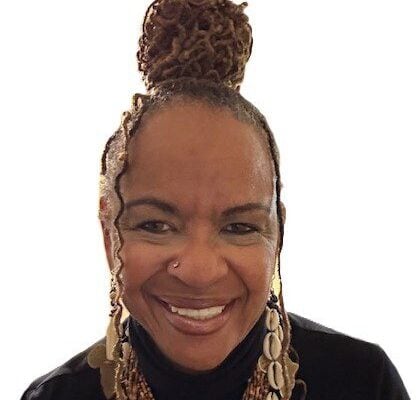
Maxine Bryant, Ph.D., is an author, African American culture keeper and the founder of GriotSpeaks. Follow her on Facebook and Instagram or visit drmaxinebryant.com for more information.

MAXINE BRYANT
Maxine Bryant, Ph.D. is the founder of GriotSpeaks, author and African-American culture keeper. Dr. Bryant replaces mythology with truth about Africa and the African Diaspora experience. Learn more about her at www.drmaxinebryant.com and email her at mlb@drmaxinebryant.com.