Why the HBCU All-Star Game Experience Matters. In October 2019, after 17 years of coaching, I felt a calling I couldn’t ignore. Everywhere I went, talent showed up early — disciplined, prepared, and ready — while opportunity showed up late, if at all. This was bigger than basketball. This was about whether HBCU student-athletes and coaches would be talked about or truly invested in, seen, and valued.
The evidence was undeniable. There are over 450 players in the NBA and 150 in the WNBA. For years, there was zero representation of women HBCU players on WNBA rosters.
Robert Covington, who I coached at Tennessee State, carried the HBCU culture during his 10-year NBA career. Until this season, there wasn’t a single active HBCU All-Star alum on an NBA roster. The problem is not talent — it’s visibility, access and opportunity.
“The problem is not talent — it’s visibility, access and opportunity.”
That reality is why we built HBCU All-Stars — a Black-owned sports marketing, events, and media company guided by exposure, access, recognition, opportunities, resources and results. That’s the bar our HBCUs and their gifted student-athletes and coaches have always deserved.
This mission is personal. My wife Kya serves as co-founder and CFO, and our children are ambassadors for the work. We made it a family commitment because the goal was never to create a moment — it was to build a pathway for future generations.
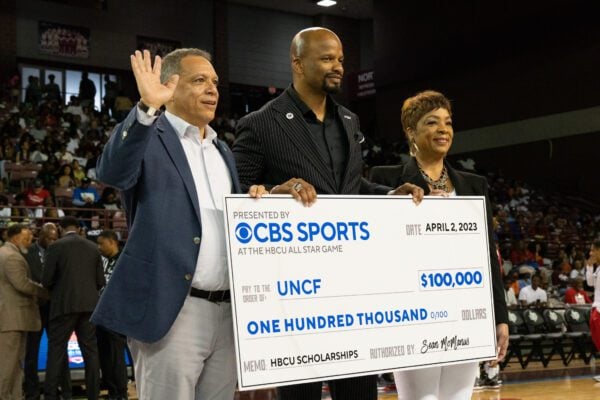
This season marked a breakthrough. Javonte Cooke of Winston-Salem State University, who competed in our 2022 game, signed with the Portland Trail Blazers. Out of more than 450 NBA players, he’s the first active HBCU All-Star alum on a roster. That’s progress — but it’s also perspective.
When I talk about equity, I’m not talking about handouts. I’m talking about standards — facilities and resources that match the talent, coaching infrastructure and essentials young adults need to thrive. The talent has never been the question. The investment has.
At its core, the HBCU All-Star Game Experience exists to elevate HBCU athletics on a stage where opportunity has been uneven. The lack of professional representation doesn’t signal a weak pipeline — it signals an invisible one.
“The lack of professional representation doesn’t signal a weak pipeline — it signals an invisible one.”
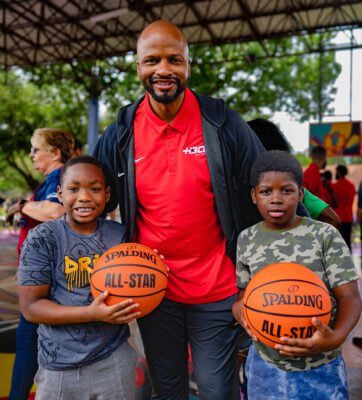
On Sunday, April 5, 2026, College Basketball’s Biggest Weekend & Men’s Championships alignment is intentional. Placing HBCU talent in the spotlight challenges outdated narratives about where excellence resides.
The weekend includes a Pro Day Combine mirroring NBA standards. In 2025, scouts from 25 of 30 franchises attended. Our goal: all 30 teams in the building.
The weekend culminates Easter Sunday at Corteva Coliseum. But this isn’t just a game. It’s a four-day experience including a college admissions fair, awards ceremony, social justice luncheon, youth programming, basketball clinic, and conversations connecting education, culture, sports and career pathways.
“The hardwood is the stage — opportunity is the mission.”
The hardwood is the stage — opportunity is the mission. A sold-out arena sends a clear message: HBCU excellence matters and deserves investment. Hotels fill rooms, restaurants serve visitors, and local organizations become part of a nationally visible experience. This complements the Final Four, ensuring the nation invests in talent too often overlooked.
Indianapolis has the chance to lead. Buy a ticket. Bring a young person. Donate one if you can’t attend. Support us as a sponsor or partner. Invest in a platform connecting people, sports, education, and economic impact — ensuring talent and opportunity finally meet on time.
Because when a city shows up for HBCU excellence, the return extends far beyond the final buzzer — and the world has no choice but to pay attention.
Travis L. Williams is the founder and CEO of HBCU All Stars.