
James Van Der Beek, star of Dawson’s Creek; Catherine O’Hara of Home Alone and Schitt’s Creek; and Chadwick Boseman of Black Panther fame all had something in common: colon or rectal cancer, collectively known as colorectal cancer, either caused or contributed to their deaths.
Death rates for several leading cancers are dropping for those under 50 according to a study the American Cancer Society reported this January. Unfortunately, colorectal cancer rates for those in the same age range have been climbing for decades now, making it the most likely cancer to claim their lives today. If you are between the ages of 45 and 75 and have put off getting your first colorectal cancer screening, reconsider. One of the screening methods will typically be fully covered by your health care plan if you have one, with some limitations based on risk factors, age and the last time you had one. The colonoscopy procedure is routine and fairly quick, and once you’ve had one, depending on results, you can go up to ten years before the next colorectal cancer screening. Since it is less comprehensive, the stool sample test is required more often.
Results from a stool sample test are used to determine if you need additional testing, such as a colonoscopy. The advantage of the colonoscopy is that it helps prevent as well as screen for cancer since concerning growths (polyps) can be removed during it and sent off for evaluation for cancer.
Keep in mind that factors outside of your control might put you at higher risk of getting colorectal cancer, such as having certain genetic syndromes; a family history of it or of certain kinds of polyps; and your own history of polyps, inflammatory bowel disease, radiation treatments near the colon or colorectal cancer. Particular ethnic groups are also at higher risk. More frequent tests, sometimes before the age of 45, may be advised for those who are at high risk.
You should also consult with your doctor if you notice signs that you may already have colorectal cancer. According to the Mayo Clinic, some symptoms include unexplained weight loss, rectal bleeding, blood in the stool, changing bowel habits, thin stools, weakness, fatigue, a sensation that the bowel doesn’t empty and continual discomfort in your belly area. Please be aware that there will not always be symptoms. If you don’t have a primary care provider, please reach out to Eskenazi Health Connections at 317-880-7666.
Healthy habits can reduce your risks of getting colorectal cancer, such as regular exercise, good nutrition, avoidance of smoking and lowering your alcohol consumption. Such life practices, in combination with regular testing, can dramatically lower the chances that you will ever experience a dangerous cancer that is already taking too many lives.
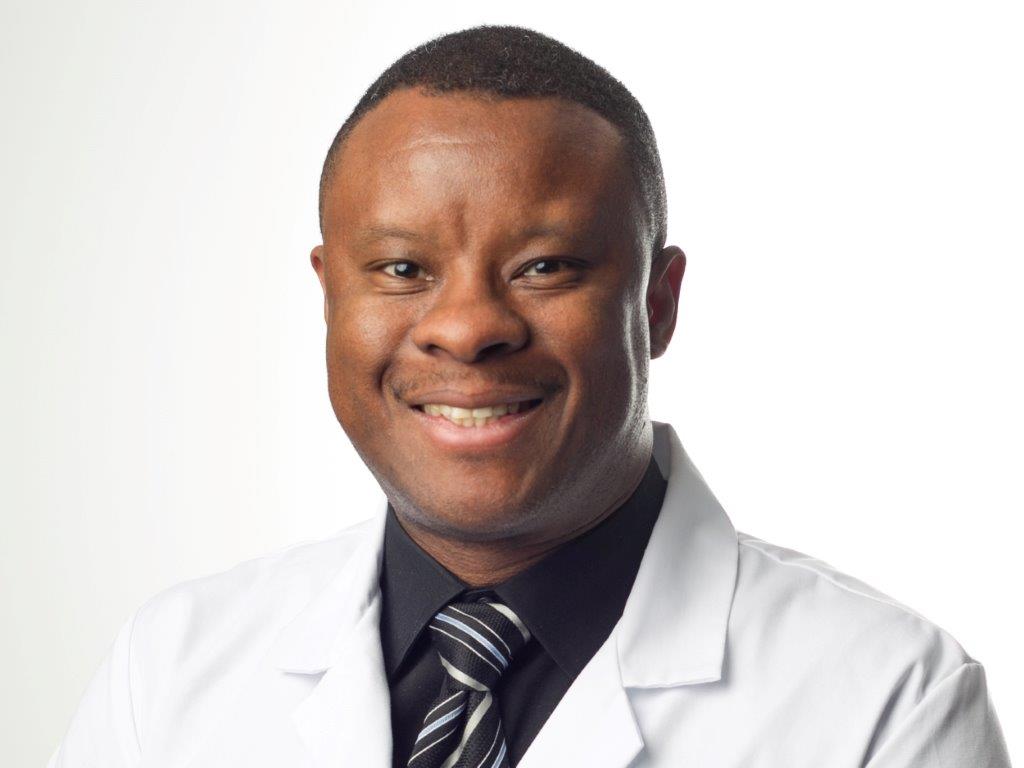
Broderick Rhyant, M.D., chief physician executive with Eskenazi Health Center Grande