
Since it is early in the year, you may still be setting health goals for 2026. Unfortunately, it can be difficult to do so if you are low in energy or a little down. If you are so down each winter that you struggle to complete everyday tasks, however, you may be experiencing more than the winter blues. You may have seasonal affective disorder (SAD), which affects about 5% of the population.
Symptoms of SAD range from mild to severe. Some signs include carbohydrate cravings, feeling disinterested in activities you like, oversleeping, feeling very tired, struggling to concentrate, feeling anxious, worthless or hopeless, and dealing with sadness for most of the day.
If your SAD is untreated, you may be spending around 40% of your year depressed, according to an estimate from the American Psychiatric Association. If that’s how you’ve been feeling, reach out to your primary care provider to find the best treatment for you. The following are three common approaches your provider may recommend:
- Light therapy – Brain changes due to light reduction are often considered a cause of SAD. Light therapy has proven to be effective in treating SAD in many studies, as reported in the April 2024 issue of the Journal of Affective Disorders. This method involves not just sitting under any random light, but time spent under a particular type of powerful light, typically for about 30 minutes in the morning.
- Cognitive behavioral therapy – This is another approach to managing SAD without medication that has often proven to be successful. A study of 231 patients reported in the March 2023 issue of Clinical Psychology & Psychotherapy showed “significant reductions in symptoms” after this form of treatment.
- Medications – Your primary care provider may recommend antidepressants to treat your SAD, which have also led to effective results in many studies .
The effectiveness of over-the-counter supplements and vitamins in SAD treatment have been less clear in studies. Be sure to inform your provider about any over-the-counter supplements or vitamins and prescribed medications you are already taking since some combinations can affect SAD.
If you are diagnosed with SAD, don’t just wait for it to pass. You shouldn’t have to deal with depression for multiple months each year. Get advice from your primary care provider on how best to manage SAD so that you can return to your 2026 goals.
Please call Eskenazi Health Connections at 317-880-7666 if you do not currently have a primary care provider. If you’re ready to start therapy for SAD, you can call the Sandra Eskenazi Mental Health Center access line at 317-880-8491 to schedule an appointment. For emergency assistance with your mental health, don’t wait for an appointment. Contact the 988 Lifeline (just dial or text those three digits) or call the Sandra Eskenazi Mental Health Center emergency line at 317-880-8485.
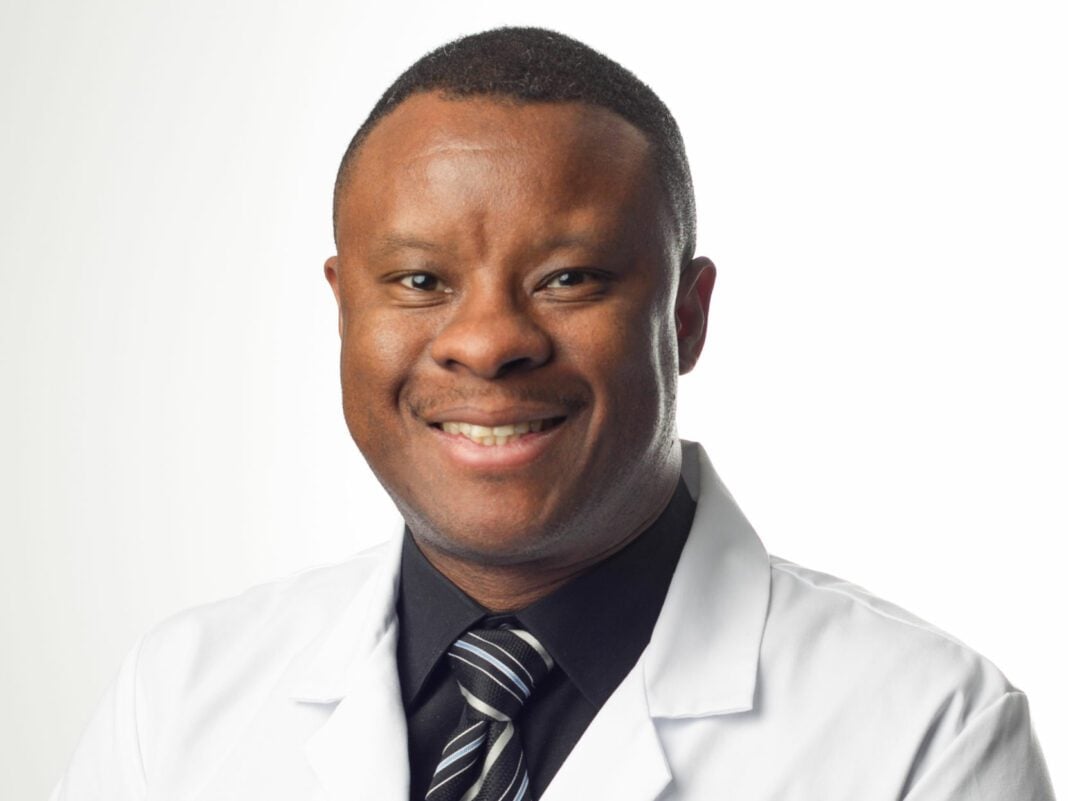
Broderick Rhyant, M.D., chief physician executive with Eskenazi Health Center Grande