Matthew 16:18 – “I will build my church…”
The Black Church has historically been the core and conscience of the Black community. Some institutions were built for comfort. The Black Church was forged in crisis. She was not born in cathedrals adorned with stained glass. She was born in brush arbors, slave quarters, and hush harbors — when our ancestors were forbidden to read, forbidden to assemble and forbidden to hope.
The Black Church survived slavery. When the slave master’s whip tried to beat faith out of us, we responded by deepening our faith and resolve. She survived Jim Crow, when lynching trees attempted to silence our prayers. She survived the Civil Rights era, when dogs, fire hoses and jail cells tried to intimidate our witness. None of it weakened our worship of the God who delivers.
Movements were birthed in her womb: abolitionist efforts, the Civil Rights Movement, mutual aid societies, HBCUs, labor organizing, voter registration drives, mental health advocacy, and community health initiatives. Racism tried to kill her. White privilege tried to co-opt her. Society tried to commercialize her. But here she is — still standing.
And even now in 2026 — amid immigration raids, ICE detention fears, historic levels of mass incarceration, continued attempts at voter suppression, economic displacement and generational trauma — the Black Church is still standing. Even in an era of Black flight to white churches that once relegated us to balconies, the Black Church has endured.
Why? Because Jesus declared, “I will build my church, and the gates of hell shall not prevail against it” (Matthew 16:18).
In Luke 4:18, Jesus announces His mission: “The Spirit of the Lord is upon me…” This is not just Christ’s mission; it is the prophetic assignment of the Black Church. We exist not merely to gather, but to liberate. Not simply to sing, but to serve. Not only to survive, but to transform.
Paul writes in 2 Corinthians 4:8, “We are afflicted in every way…” That is Black Church theology in one verse. We have been afflicted by systems, perplexed by injustice, persecuted by power and struck down by policy. Yet we are not destroyed.
So, what does this mean for those of us who are part of the Black Church?
First, we must remember who built us. The Black Church does not belong to trends, donors, or political winds. “Unless the Lord builds the house…” (Psalm 127:1). When we remember that Christ is the architect, we stand firm in uncertain times.
Second, we must resist the lie of erasure. There are voices predicting the decline of the Black Church. But God says, “I have engraved you on the palms of my hands” (Isaiah 49:16). The Black Church is not outdated — she is essential. When families are afraid, immigrants are targeted and communities are traumatized, the Black Church remains a refuge, not a relic.
Finally, we must recommit to our prophetic assignment. Micah 6:8 reminds us to do justice, love kindness and walk humbly with God. Survival is not the goal. Transformation is.
In closing, the Black Church is not here by accident. We are here because God sustained and strengthened us. The same Black Church that sang in chains still sings in freedom and prays with power.
The Black Church is the Church that wouldn’t die. And if we remain rooted in Christ and committed to justice, we will not just survive the next season—we will continue to radically shape it.
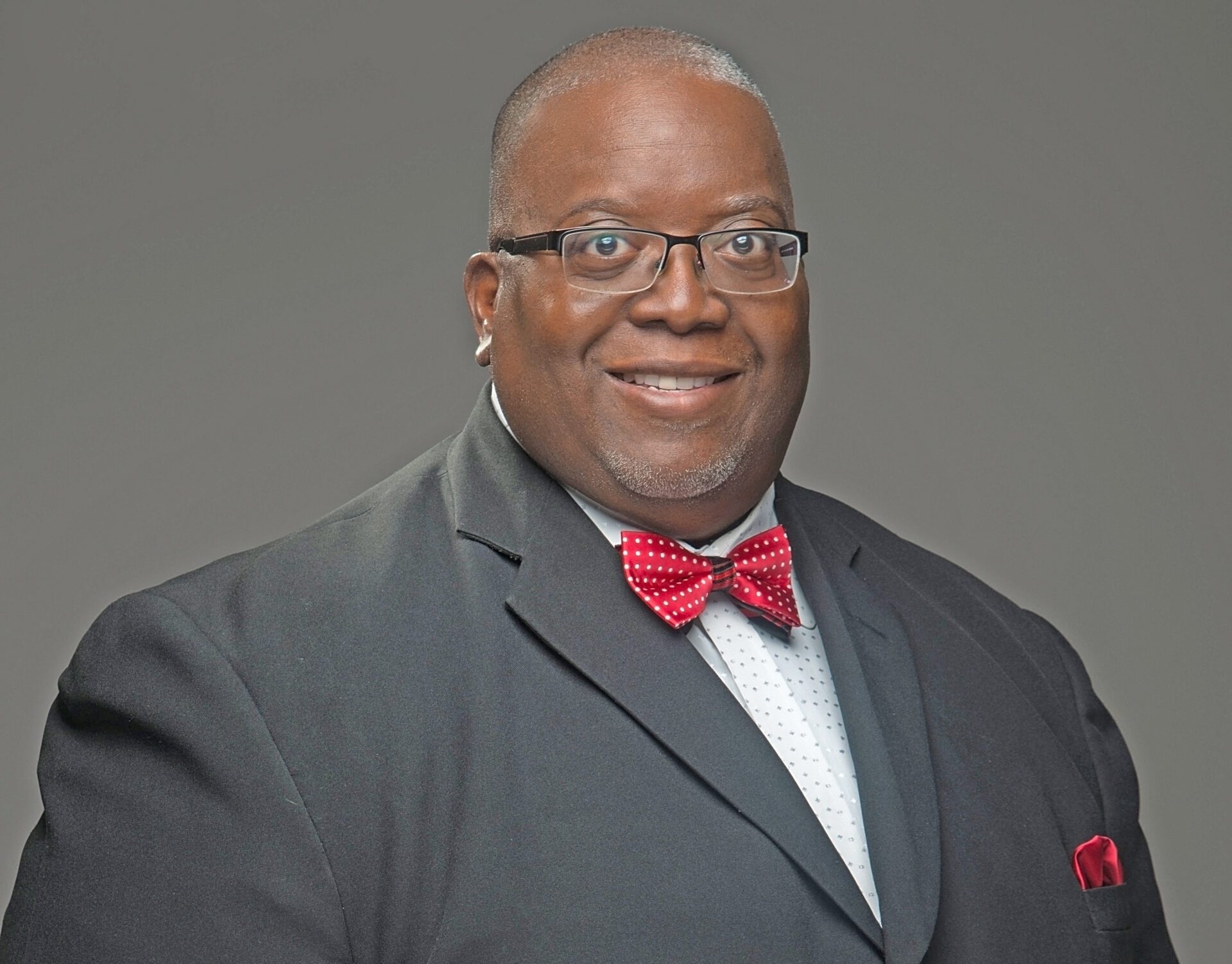
Dr. Preston T. Adams, III is the Founding and Senior Pastor, Amazing Grace Christian Church (Indianapolis). Follow him on Twitter/X: @DrPrestonTAdams.
For more, visit indianapolisrecorder.com.