An expert breaks down the surge in ACL and Achilles injuries in sports
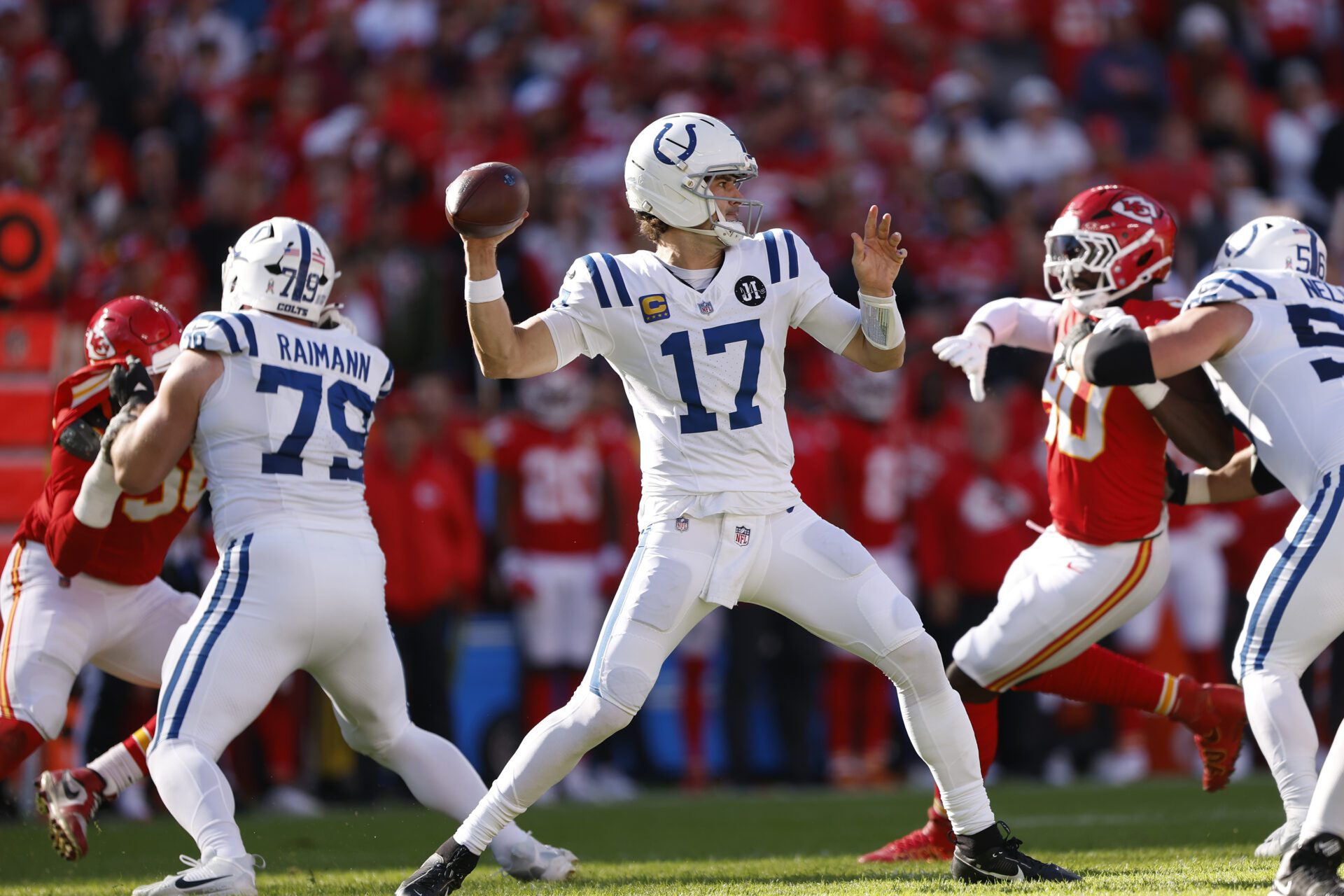
The sports world is reeling. In just the last few weeks, the headlines have been dominated not by playoff races, but by MRIs and season-ending announcements. Indianapolis Colts quarterback Daniel Jones, cornerback Sauce Gardner, Kansas City Chiefs quarterback Patrick Mahomes, and Green Bay Packers Micah Parsons are only a few athletes who have torn their ACL or Achilles, joining a growing list of athletes sidelined by significant ligament damage.
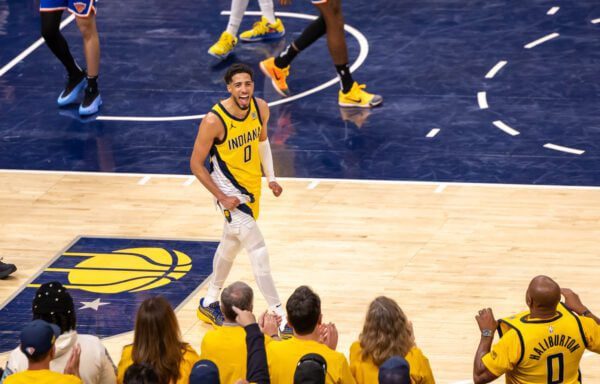
For Indianapolis sports fans, the pain is all too familiar. The Indiana Fever lost both Sydney Colson (ACL) and Sophie Cunningham (knee) to season-ending injuries earlier this year. Pacers star Tyrese Haliburton is still working his way back from the Achilles rupture that derailed the team’s NBA title hopes. From Jones to Parsons, it feels like an epidemic.
To understand why this is happening and what recovery looks like in 2025, we sat down with Dr. Fotios Tjoumakaris, chief of Sports Medicine at Rothman Orthopaedics.
It feels like we are seeing an explosion of ACL and Achilles tears across all sports — Mahomes, Haliburton, Fever players. Is this actually happening more frequently, or are we just hearing about it more often?
Tjoumakaris: It’s a combination of both. There is undoubtedly more media exposure and recognition of these injuries today. But there is also a change in training. Athletes are now training year-round, from high school to collegiate and professional levels. That means more contact hours and more exposure to the sport, which statistically increases your risk.
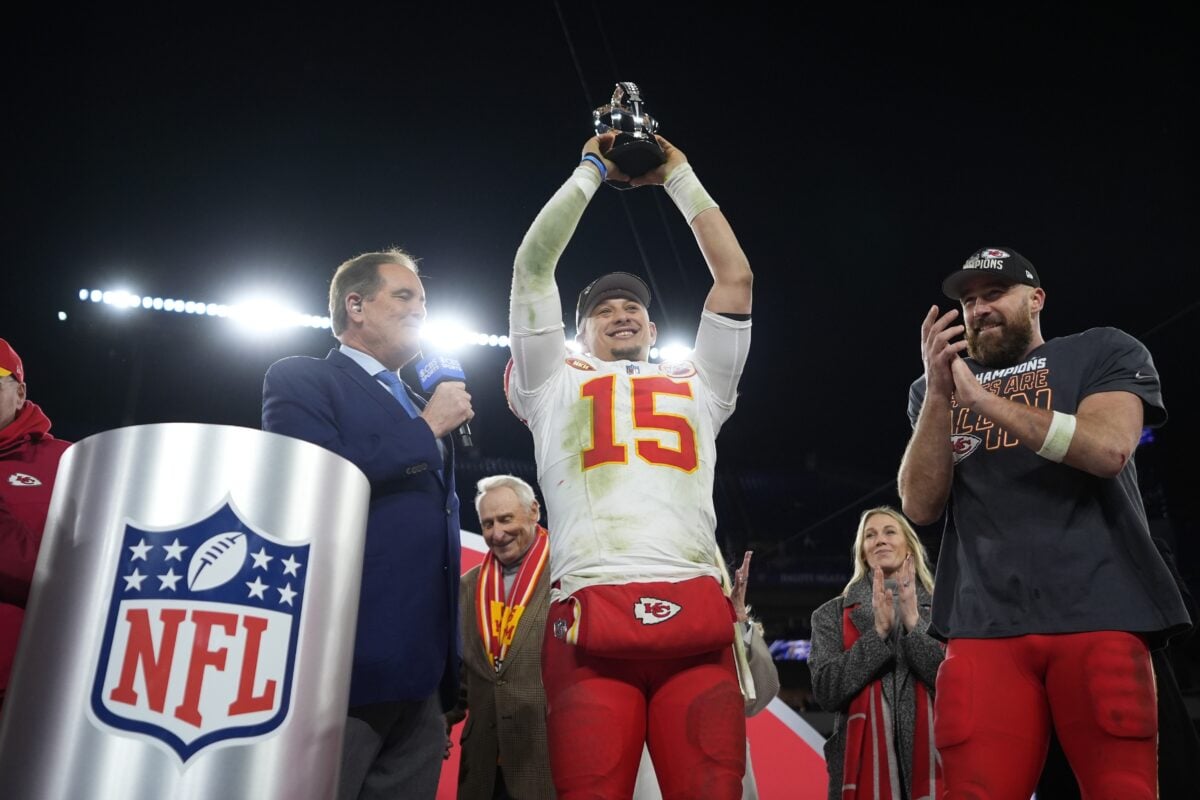
Interestingly, the majority of ACL tears happen during non-contact cutting or pivoting. You’ll see a player plant their leg to rotate, and the ligament fails under that tension. We saw that with Mahomes; he was trying to be evasive, planting to move away from contact, and that’s when it happened.
We’ve se/en athletes like Tyrese Haliburton and others point out that while they might be physically cleared, they may not feel mentally ready. How big is the psychological hurdle in coming back?
Tjoumakaris: That is huge. We used to focus only on the anatomy — the muscles and ligaments. But when an athlete like Mahomes or Haliburton gets hurt, they are suddenly isolated. They lose the locker room camaraderie and the shared team mission. It becomes a lonely journey.
We did a study looking at young athletes with ACL tears, and more than 50% met clinical criteria for depressive symptoms. There is also a PTSD component; that first time you plant your leg in a game, there is always that doubt: “Is my knee stable?”
Psychological readiness is now a massive part of our “return to play” criteria. We want to ensure they are mentally engaged and supported by teammates, not just physically healed.

Technology has changed rapidly. A decade ago, an Achilles or ACL tear was often seen as a career-ender. Now, players come back stronger. What has changed in recovery?
Tjoumakaris: The overall timetable — that 6 to 9-month window — hasn’t changed much, but what we do during that time is entirely different. We now understand the biology better. We know how to optimize nutrition and use techniques like blood flow restriction to jumpstart the quadriceps muscle immediately after surgery without stressing the graft.
We also conduct more granular testing. Instead of a “shotgun approach” to rehab, we identify subtle deficits. A player may have 90% strength but lack neuromuscular control in a specific pivoting motion. We target that specifically. We also focus heavily on the uninjured knee. Believe it or not, the opposite knee is at a slightly higher risk than the repaired one. Our goal now is to prevent a second injury on either side.
There is a constant debate among fans and players about playing surfaces — turf vs. grass has been a recent debate. Is that a legitimate factor in these injuries?
Tjoumakaris: The sports medicine community has looked at this for years. Data suggests a higher risk on older generation turf, while newer turf might not carry the same risk. There are even studies examining grass — specifically, whether a dry field or a wet field is more hazardous. Surprisingly, a slightly damp surface might be protective because it allows a little “give” rather than the foot getting stuck.
While the surface is a factor, it’s tough to say it’s the only factor. It’s something we are constantly investigating.
Finally, for the local athletes and weekend warriors here in Indy, is there anything we can do to prevent these injuries?
Tjoumakaris: Absolutely. There are prevention programs that can reduce the incidence of ACL injury by 20% to 30%. These involve simple interventions during warm-ups, such as light squatting, single-leg balancing and plyometrics, which teach you how to land correctly.
For those who do get injured, the “pre-hab” is critical. Before surgery, we want the knee to be as quiet as possible — minimal swelling, good range of motion, and a strong quadriceps muscle. I tell patients it’s like baking a cake: you want the best ingredients going in to get the best result coming out.
Contact Multi-Media & Senior Sports Reporter Noral Parham at 317-762-7846. For more news, click here.

Noral Parham is the multi-media reporter for the Indianapolis Recorder, one of the oldest Black publications in the country. Prior to joining the Recorder, Parham served as the community advocate of the MLK Center in Indianapolis and senior copywriter for an e-commerce and marketing firm in Denver.