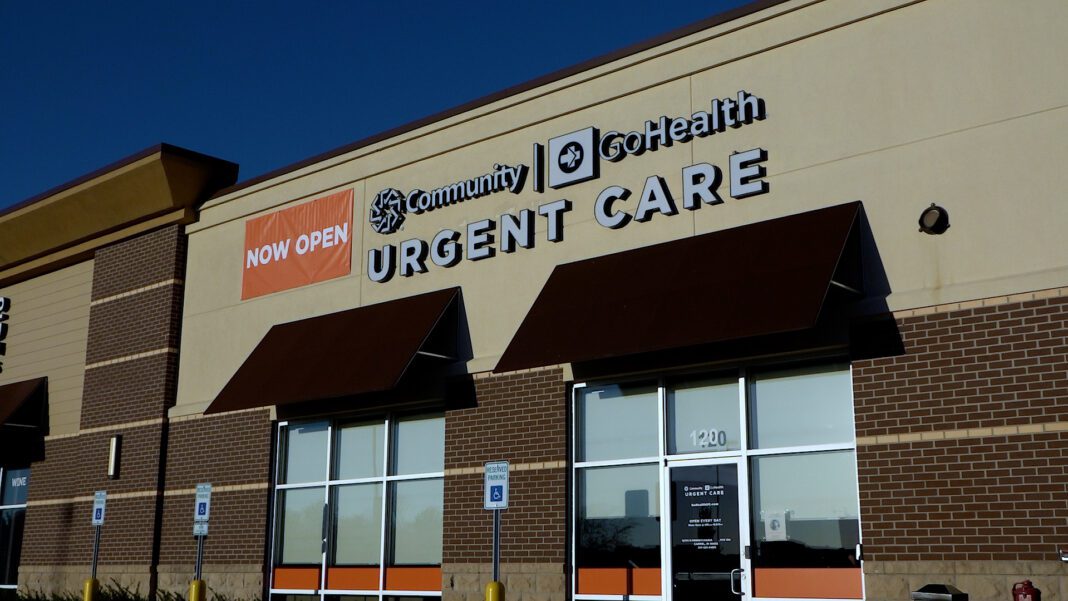
As illnesses and injuries increase during the holiday season, knowing where to seek care can save time, money and, in some cases, lives. Dr. Michelle McCarthy, medical director for Community Health Network’s GoHealth Urgent Care centers, explains what symptoms to watch for and how to decide between a primary care doctor, urgent care or the emergency room.
This Q&A has been edited for brevity and clarity.

What are the most common illnesses or injuries you see during the holiday season?
Michelle McCarthy: Probably the most common visits that we see are illnesses – everything from flu, strep, COVID, earaches, upper respiratory, sometimes lower respiratory infections, urinary tract infections, that kind of thing. So, the mild illnesses, many of which are transmitted because people are gathering together.
The second most common category would be injuries. So, falls, maybe slipping on ice, you know, mild fractures, cuts while they’re cooking, while they’re working on something around the house, things like that.
How can people tell the difference between a cold, the flu and COVID?
McCarthy: Strep and flu often have fever. And you certainly can have a fever with COVID. However, it is not common to see someone with influenza who reports no fever at all since they started getting ill.
The body aches with influenza are notable. They are often unlike other mild illnesses that we get. COVID-19 does what it wants, depending on the person and the strain.
When should someone call their primary care physician instead of going straight to urgent care?
McCarthy: If you have an issue with something that is a diagnosis that your doctor is helping you with, and let’s say it is maybe getting a little worse, or that same pain that you’ve been having that they’re helping you with is changing a little bit, it would be good to call your doctor first.
But if it is something that is to the point where, you know, you can’t get in the next day or two with your doctor, that is where you can go to the urgent care because you do need to get seen.
What symptoms mean someone should skip urgent care and go straight to the emergency room?
McCarthy: If you would consider it severe – severe abdominal pain, severe headache, severe vomiting and diarrhea – that would be something that should be evaluated in the ER.
(That includes) shortness of breath, chest pain, chest pressure, any signs of a stroke, change in speech or weakness in the arms, legs, or facial muscles, heavy bleeding, sudden loss of vision.
The emergency room is there for your true emergencies, where life, limb, or vision is threatened.
How dangerous can it be to delay care for symptoms like chest pain or shortness of breath?
McCarthy: If it’s new and it wasn’t there, and now it is, and they are someone who has a history of diabetes, hypertension, high cholesterol, heart disease, that needs to be checked out in the emergency room.
To delay care would mean a possibility of missing a potentially life-threatening disease state.
For injuries like slipping on ice, how should people decide between urgent care and the ER?
McCarthy: If you have an injury and you cannot bear weight at all on that limb, or if you fall on the ice and you hit your head and you have symptoms of headache, vomiting, maybe you are on aspirin or other blood thinners that would make you have a higher risk of having a brain bleed, that needs to go to the ER.
What are some common mistakes people make when choosing where to go?
McCarthy: The most common mistake would be chest pain and shortness of breath in somebody who is at higher risk for having a heart attack.
There really is no way to ensure that they are not having a heart attack at the urgent care, only because we don’t have all of the extensive testing that the ER has.
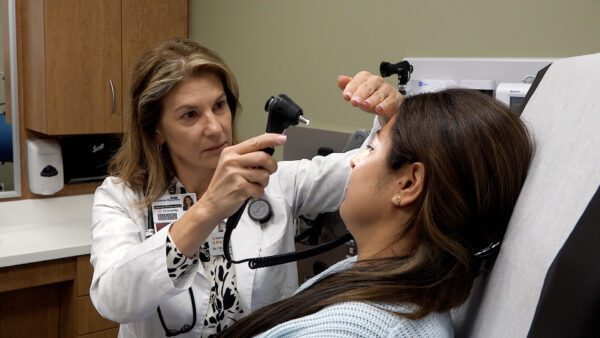
How should families prepare ahead of the holidays?
McCarthy: I think knowing the hours that your doctor is in over the holidays is essential.
Knowing their hours, where they are located, and which ER you would go to.
What advice do you have for people worried about long ER wait times?
McCarthy: If you are not sure, you need to go to the ER. The greater error is to miss or overlook something life-threatening.
For more information about Community GoHealth Urgent Care, formerly known as MedCheck, visit ecommunity.com/services/community-gohealth-urgent-care.
This reporting is made possible by a grant from the Indianapolis African-American Quality of Life Initiative, empowering our community with essential health insights. https://iaaqli.org/
Contact Health & Environmental Reporter Hanna Rauworth at 317-762-7854 or follow her on Instagram at @hanna.rauworth.

Hanna Rauworth is the Health & Environmental Reporter for the Indianapolis Recorder Newspaper, where she covers topics at the intersection of public health, environmental issues, and community impact. With a commitment to storytelling that informs and empowers, she strives to highlight the challenges and solutions shaping the well-being of Indianapolis residents.