

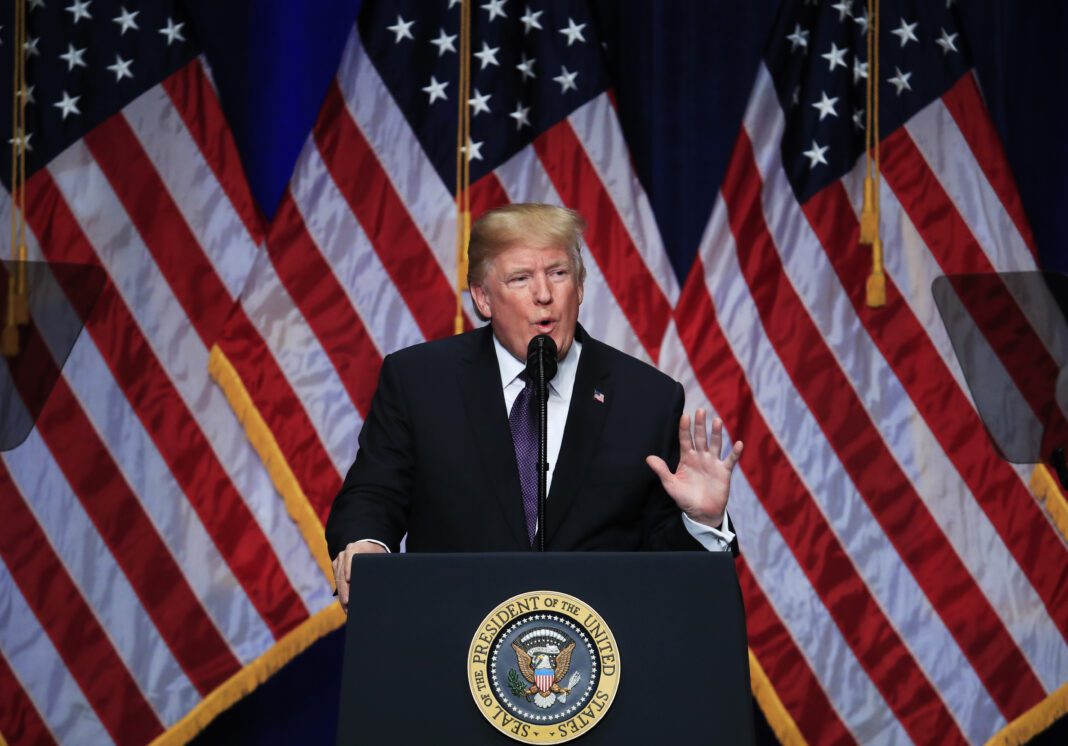
Indianapolis officials, climate advocates and residents are responding with concern and uncertainty this week after the Trump administration announced the United States will withdraw from the United Nations Framework Convention on Climate Change (UNFCCC) — a foundational global climate treaty ratified by the U.S. Senate in 1992 — along with dozens of other international organizations and treaties.
The decision, communicated publicly by the White House in early January, represents a major shift in U.S. engagement with international climate cooperation and partially follows earlier actions by President Donald Trump to exit other global climate commitments.
What the change means
By removing the U.S. from the UNFCCC and related agencies — including scientific bodies such as the Intergovernmental Panel on Climate Change (IPCC) — the administration has effectively reduced Washington’s role in shaping global climate strategy, emissions reporting and cooperative climate finance mechanisms.
The shift builds on earlier actions by the Trump administration. In 2025, for example, Trump issued an executive order withdrawing the United States from the Paris Agreement — the landmark climate pact under the UNFCCC — for the second time since his first term, meaning the nation will again stand outside the global framework aimed at limiting global temperature rise.
Global leaders condemn the move
The withdrawal from the UNFCCC — the umbrella treaty that underpins nearly all multilateral climate agreements, including the Paris Agreement — has drawn sharp criticism from global officials and experts.
UNFCCC Executive Secretary Simon Stiell called it a “colossal own goal” that threatens both the U.S. economy and public welfare as climate-related risks grow.
European Union Climate Commissioner Wopke Hoekstra described the U.S. retreat as “regrettable and unfortunate,” emphasizing that the UNFCCC “underpins global climate action” by bringing nations together to reduce greenhouse gas emissions and adapt to climate change.
United Nations Secretary-General António Guterres has also expressed “regret” over the United States’ broader withdrawal from several U.N. and international entities tied to climate, labor and migration policy, while reminding member states of their ongoing funding obligations under the U.N. Charter.

Legal questions about the withdrawal
Some legal experts and critics argue the president may lack authority to unilaterally exit a treaty that was ratified by the Senate.
Harold Hongju Koh, former legal adviser to the U.S. State Department, said the move “may be illegal” because the Constitution requires Senate approval to enter treaties, suggesting — in his view — similar approval might be necessary to leave one.
Local voices and past reactions in Indianapolis
While national and international reactions have dominated headlines, local leaders in Indianapolis point to the potential domestic impacts of reducing federal climate engagement — particularly amid increasingly extreme weather and environmental health concerns.
In the past, when the U.S. exited the Paris agreement under Trump’s first term, then-Indianapolis Mayor Joe Hogsett said joining the pact was “about ensuring the future health and livability of our city” and pledged to pursue local climate action.
Balancing local priorities with global retreat
Some local business leaders argue that reducing federal climate commitments could free up resources for domestic economic growth, while others counter that embracing clean energy and sustainability offers long-term economic opportunities — especially in technology, construction and manufacturing sectors.
Indiana’s energy sector, historically reliant on coal and natural gas, sits in a transition toward more diversified energy sources. Under Braun, the state has taken steps to shape that transition, including the creation of a Strategic Energy Growth Task Force to address rising electricity demand and a push to expand nuclear energy, including support for small modular reactors. Indiana has also joined a multi-state initiative focused on advancing nuclear development and launched a federally funded energy efficiency program aimed at lowering utility costs for residents. How the federal withdrawal from international climate agreements will affect Indiana’s long-term energy planning, investment incentives and clean-energy partnerships remains unclear.
Economists and climate analysts in the region note that while U.S. withdrawal from international treaties does not directly dictate domestic energy policy, it sends a signal that could influence investor confidence, federal funding for climate research and interstate cooperation on emissions reduction.

Looking ahead
As the United States moves forward outside the UNFCCC framework, cities and states may increasingly take the lead on climate initiatives — a trend supporters of local action say could accelerate community-based solutions.
For Indianapolis, the latest federal posture underscores the tension between national policy and local climate realities — from heat waves and flooding concerns to long-term planning for sustainable growth.
This reporting is made possible by a grant from the Indianapolis African-American Quality of Life Initiative, empowering our community with essential health insights. https://iaaqli.org/
Contact Health & Environmental Reporter Hanna Rauworth at 317-762-7854 or follow

Hanna Rauworth is the Health & Environmental Reporter for the Indianapolis Recorder Newspaper, where she covers topics at the intersection of public health, environmental issues, and community impact. With a commitment to storytelling that informs and empowers, she strives to highlight the challenges and solutions shaping the well-being of Indianapolis residents.







The big green scam is over, no more money for you grifters.