As Black History Month continues, communities across the country are taking time to recognize the individuals whose work has shaped American life, advanced equity and improved public well-being. In the field of health care, Black physicians, researchers and public health advocates have made groundbreaking contributions for generations, often while navigating racism, exclusion and limited access to professional opportunities.
From early pioneers who broke barriers in medicine to modern-day scientists leading vaccine development and public health leaders addressing disparities, Black health professionals have long been essential to progress in the United States. Their work has helped save lives, expand access to care and push the medical community toward greater accountability and inclusion.
The history of Black leadership in health is both a legacy of achievement and a reminder of the ongoing work needed to ensure equitable care for all.
Early trailblazers in American medicine
One of the most significant early figures in Black medical history is Dr. Rebecca Lee Crumpler, the first Black woman in the United States to earn a medical degree. She graduated in 1864, during the Civil War, at a time when both women and Black Americans were largely excluded from the profession.
After the war, Crumpler provided care to formerly enslaved people in the South through the Freedmen’s Bureau. She later published “A Book of Medical Discourses,” one of the first medical publications written by a Black physician, focused on the health of women and children. Her work laid the foundation for future generations of Black women in medicine.
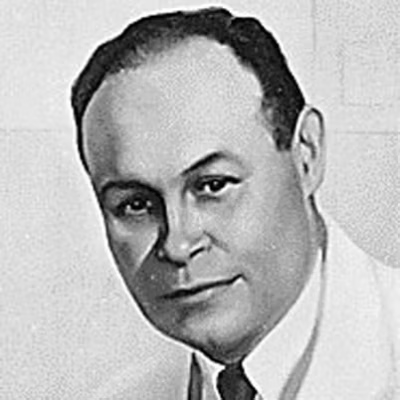
Another towering figure is Dr. Charles Drew, a surgeon and researcher whose innovations transformed blood transfusion and storage. Drew’s work during World War II helped establish large-scale blood banks and modern blood donation practices. Despite facing discrimination during his career, his scientific contributions continue to save lives worldwide.
Public health and advocacy through the 20th century
As the U.S. health system evolved through the 20th century, Black leaders continued to shape medicine and public health policy.
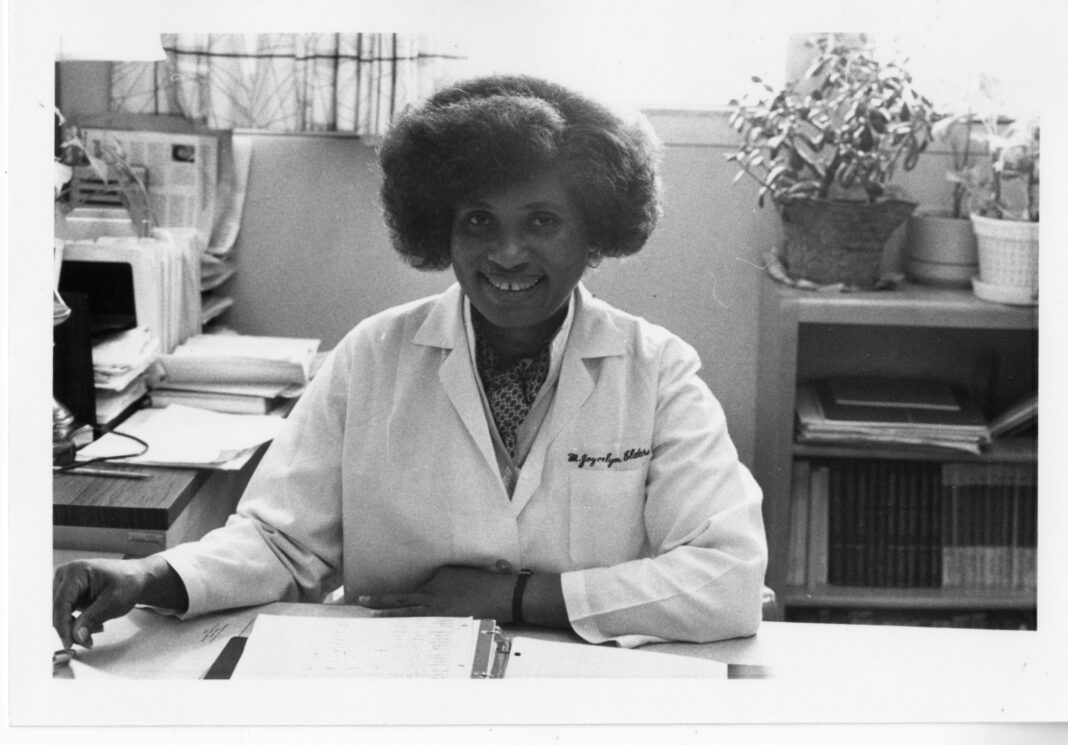
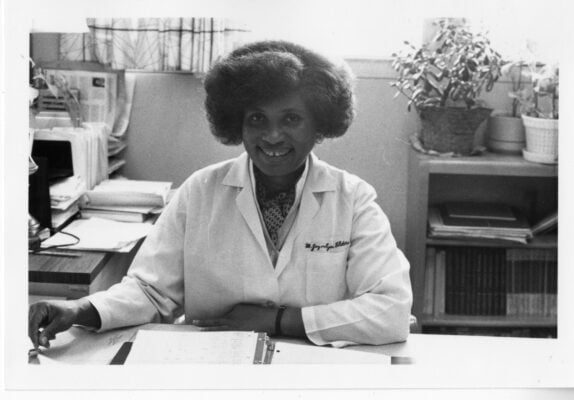
Dr. Joycelyn Elders, appointed in 1993, became the first Black U.S. Surgeon General. Throughout her career, Elders emphasized the importance of public health education, prevention and addressing the social conditions that influence health outcomes. Her leadership brought national attention to health disparities and the need for honest conversations about community wellness.
Dr. Marilyn Hughes Gaston also made history as the first Black woman to direct the Bureau of Primary Health Care within the Health Resources and Services Administration. Her work helped expand community health centers across the country, strengthening care access for low-income families and underserved populations.
These leaders not only advanced medicine but also challenged the systems that left Black communities with fewer resources, poorer health outcomes, and limited access to quality care.
Black scientists shaping modern medicine
In recent decades, Black researchers have played an increasingly visible role in scientific innovation, including breakthroughs that have shaped global health.
One of the most prominent contemporary figures is Kizzmekia Corbett, a viral immunologist whose work was central to the development of the Moderna COVID-19 vaccine. As a leading scientist at the National Institutes of Health during the pandemic, Corbett helped advance research that led to one of the first vaccines authorized to fight the virus.
Corbett also became a national voice for vaccine education and public trust, particularly in communities historically mistreated by medical institutions. Her leadership represents a new generation of Black scientists influencing the future of medicine, research and public health response.
Her work highlights the critical importance of representation in science, especially during crises that disproportionately affect marginalized communities.
Local leadership and health equity in Indiana
The legacy of Black health leadership is not only national but also deeply local.
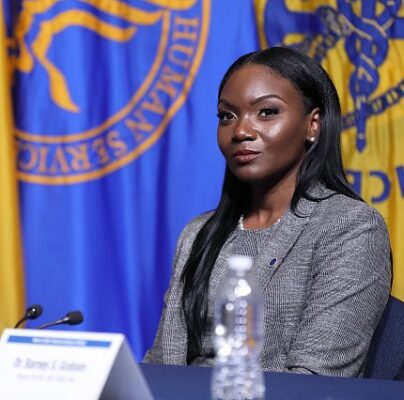
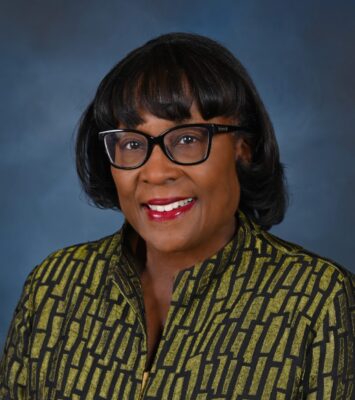
Dr. Virginia Caine, a longtime public health leader in Indiana, serves as the director of the Marion County Public Health Department. Throughout her career, Caine has been a prominent advocate for addressing health disparities and expanding community-based approaches to care.
During the COVID-19 pandemic, Caine became a trusted public voice, guiding public health efforts and emphasizing the importance of protecting vulnerable populations. Her leadership has reflected a broader commitment to ensuring that Black and underserved communities are not left behind in health systems.
Caine’s work continues to demonstrate how public health is shaped not only by science, but also by relationships, trust and sustained attention to equity.
Naming racism as a public health issue
Modern conversations about health increasingly recognize that disparities are not simply biological, but structural.
Dr. Camara Phyllis Jones, a physician and epidemiologist, has been one of the country’s leading voices in identifying racism as a public health crisis. Her research and teaching have helped redefine how institutions understand the ways systemic inequities shape health outcomes across generations.
Jones’ work has influenced public health education nationwide, encouraging health systems to move beyond individual-level explanations and confront broader structural barriers.
A continuing legacy
The contributions of Black health leaders span centuries, disciplines and communities. Their work has advanced scientific discovery, strengthened public health infrastructure, expanded access to care and pushed the nation closer to justice in medicine.
Black History Month offers an opportunity not only to celebrate these achievements but also to recognize the ongoing need for equity in health care. The legacy of leaders like Rebecca Lee Crumpler, Charles Drew, Joycelyn Elders, KizzmekiaCorbett, and Virginia Caine is a reminder that progress in medicine is inseparable from progress in civil rights, representation and community investment.
As new generations of Black physicians, scientists and advocates continue this work, their impact will shape the future of health in America for decades to come.
This reporting is made possible by a grant from the Indianapolis African-American Quality of Life Initiative, empowering our community with essential health insights. https://iaaqli.org/
Contact Health & Environmental Reporter Hanna Rauworth at 317-762-7854 or follow her on Instagram at @hanna.rauworth.

Hanna Rauworth is the Health & Environmental Reporter for the Indianapolis Recorder Newspaper, where she covers topics at the intersection of public health, environmental issues, and community impact. With a commitment to storytelling that informs and empowers, she strives to highlight the challenges and solutions shaping the well-being of Indianapolis residents.