

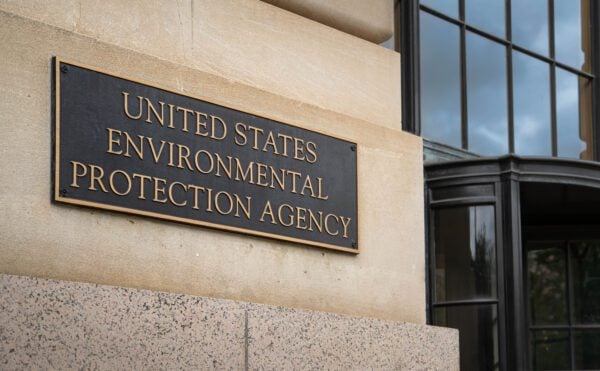
On Friday, Feb. 6, the U.S. Environmental Protection Agency (EPA) issued a rule delaying key cleanup deadlines for coal ash disposal sites across the country “at the request of electric utility companies,” extending timelines that environmental advocates say were already overdue and will allow continued toxic pollution of groundwater.
The rule extends the deadline for coal ash sites to conduct and report their first groundwater monitoring reports — a critical early step toward cleanup — until January 2032. Advocates warn the change will prolong ongoing contamination and make eventual remediation more difficult, particularly at unlined sites that have long allowed toxic heavy metals to leach into groundwater.
What is coal ash?
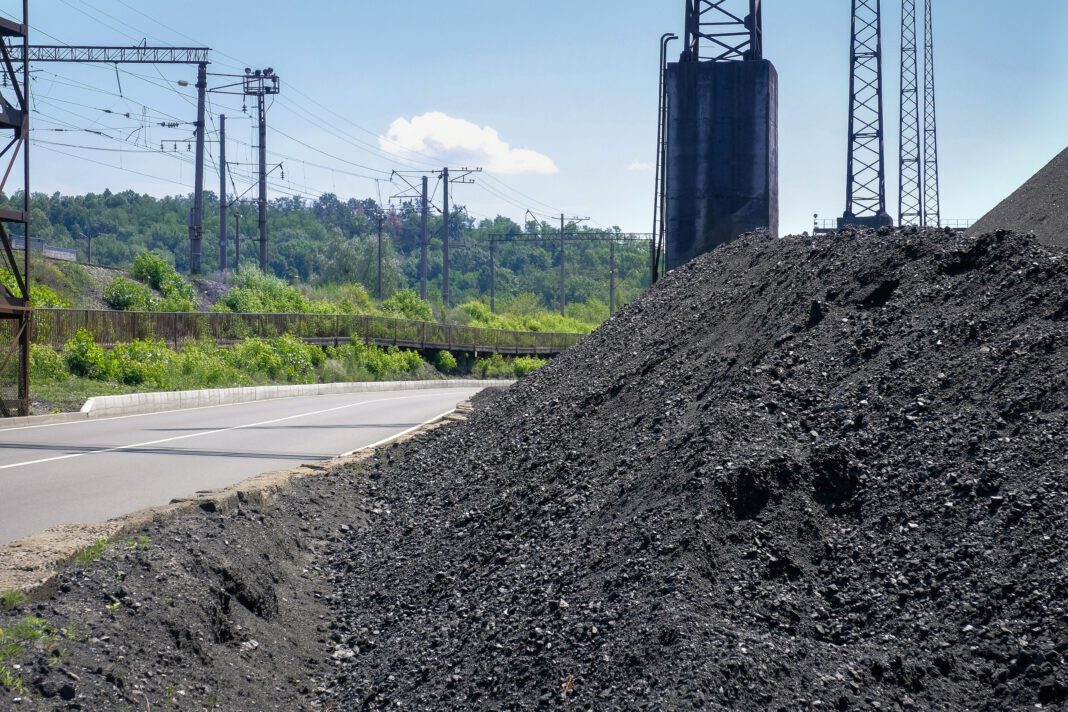
Coal ash is the waste left after burning coal for electricity. Indiana produces around 5 million tons of coal ash per year, and the material contains toxic heavy metals including arsenic, boron, lithium, molybdenum, and radium, which can interfere with child development and cause cancer. When coal ash becomes wet, it can contaminate water with those metals.
Every unlined coal ash site in Indiana that has been tested has contaminated the groundwater, and most of the state’s sites remain unlined, according to environmental advocates.
Toxic pollutants from coal ash, including heavy metals and carcinogens, have been shown to migrate from unlined coal ash dumps into groundwater and surface water, posing risks to drinking water supplies and the environment.
The coal ash sites affected by the new EPA rule are known as Coal Combustion Residual Management Units or CCRMUs. These were exempted from cleanup requirements in the agency’s 2015 federal coal ash rule, despite their potential to cause environmental harm. Sites covered under the 2015 rule began groundwater testing and issued their first reports in 2018. But a 2024 rule that expanded coverage to CCRMU sites initially gave operators until January 2029 for their first reporting — already a more than decade-long delay compared with other regulated units. The Feb. 6 rule adds another three years, pushing the date to January 2032.
What environmental advocates are saying
Dr. Indra Frank, Coal Ash Advisor for the Hoosier Environmental Council (HEC), criticized the extension.
“The cleanup delay is unnecessary and harmful,” Frank said. “The 3-year delay is unnecessary because the utilities were fully capable of issuing their first coal ash groundwater reports in just over 2 years. By contrast, the coal ash sites called CCRMU were given nearly 5 years for the groundwater reports, which the EPA has just extended that by an additional 3 years. The delay is harmful because during the delay, that coal ash continues to contaminate the groundwater and the cleanup gets more difficult.”
Environmental advocates at the national level have echoed similar concerns in press releases criticizing the EPA’s actions.
“Rather than enforcing the law and making polluters clean up their toxic coal ash, [the EPA] lets them continue to pollute our water with toxic chemicals that threaten our health,” said Lisa Evans, senior counsel at Earthjustice. “The longer industry delays, the more toxic waste enters our water, and the more difficult cleanup becomes.”
Earthjustice described the EPA’s deadline extensions as rolling back protections that were intended to require reporting and monitoring at nearly every current and former coal plant site in the United States.
Environmental groups have long pushed the EPA to enforce existing coal ash regulations and ensure timely cleanup of contamination. The pressure on EPA to delay these deadlines, they say, undermines those efforts and leaves communities at risk.
The new rule affects the following current and former Indiana power plants and their coal ash sites:
- Wabash River Generating Station, Terre Haute
- Michigan City Generating Station, Michigan City
- Harding Street Generating Station, Indianapolis
- Eagle Valley Generating Station, Martinsville
- Petersburg Generating Station, Petersburg
- Former Breed Plant, Fairbanks
- Clifty Creek Generating Station, Madison
- Schahfer Generating Station, Wheatfield
- Rockport Plant, Rockport
- Legacy Edwardsport Station, Edwardsport
- Cayuga Generating Station, Cayuga
- Gibson Generating Station, Owensville
Advocates warn the list may grow as utilities comply with the rule and disclose information about additional coal ash sites.
In press releases leading up to the EPA’s actions, environmental organizations emphasized the urgency of addressing coal ash contamination without delay.
In July 2025, Earthjustice issued a press release stating that the EPA was planning to “grant the wishes of the coal power industry and extend compliance deadlines for monitoring and cleaning up coal ash,” allowing owners to stall cleanup work well beyond 2030. The release warned that “toxic coal ash is contaminating water at nearly every current or former coal plant site in the U.S.” and urged EPA not to weaken protections.
Environmental groups say coal ash contamination is widespread: groundwater monitoring often shows elevated levels of arsenic, lead, selenium, and other heavy metals near ash disposal sites, and many legacy dumps have never been properly tested or remediated.
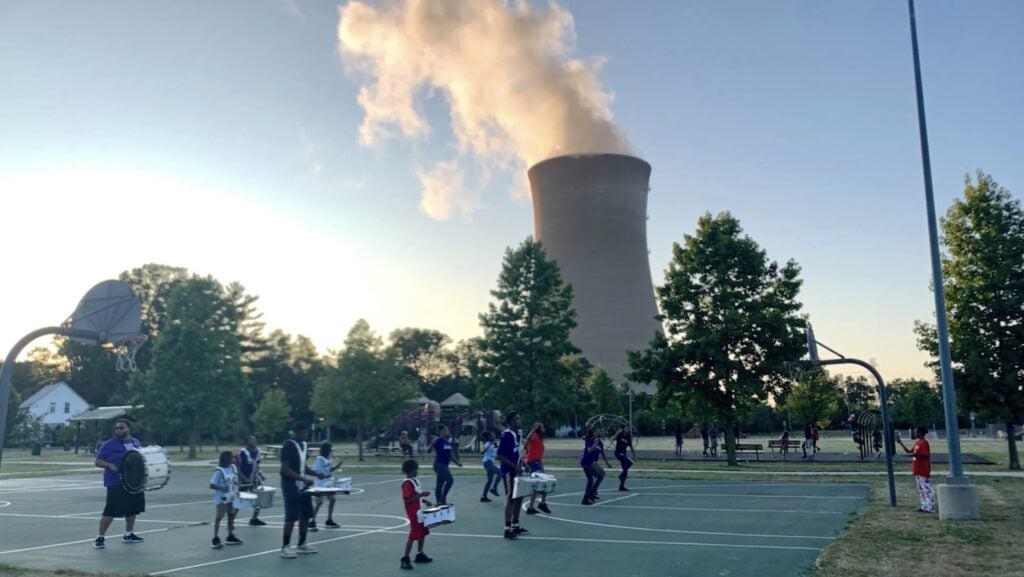
Hoosier advocates argue that delays only exacerbate these problems, giving utilities more time before they are required to document contamination and begin cleanup.
Critics maintain that the EPA’s responsibility under federal law is to protect human health and the environment by enforcing cleanup requirements in a meaningful timeframe, not extending compliance deadlines at industry’s request.
The extended timeline means communities located near coal ash sites will have to wait longer before regulators require operators to complete the first essential step in cleanup — monitoring and reporting on groundwater contamination — leaving residents and resources exposed to ongoing toxic releases for years to come.
For more information about the EPA’s coal ash rule changes and ongoing advocacy around coal ash cleanup requirements, visit the Hoosier Environmental Council at https://www.hecweb.org.
This reporting is made possible by a grant from the Indianapolis African-American Quality of Life Initiative, empowering our community with essential health insights. https://iaaqli.org/
Contact Health & Environmental Reporter Hanna Rauworth at 317-762-7854 or follow her on Instagram at @hanna.rauworth.

Hanna Rauworth is the Health & Environmental Reporter for the Indianapolis Recorder Newspaper, where she covers topics at the intersection of public health, environmental issues, and community impact. With a commitment to storytelling that informs and empowers, she strives to highlight the challenges and solutions shaping the well-being of Indianapolis residents.






 issued a rule delaying key cleanup deadlines for coal ash disposal sites across the country “at the request of electric utility companies,” extending timelines that environmental advocates say were already overdue and will allow continued toxic pollution of groundwater. )