When the lights come up on a championship court, most eyes are fixed on the game. The buzzer. The movement. The moment.
But behind every major sporting event — behind the spectacle that draws thousands into arenas and millions to their screens, there is another story unfolding. One that doesn’t always get the same visibility, but carries just as much cultural weight. It is the story of the artists.
In cities like Indianapolis, where sports are woven into the community’s identity, art often works quietly in the background — shaping how those moments are experienced, remembered, and understood. Murals, performances, visual storytelling, and cultural programming all help define what a moment means, not just what it looks like.
And for Black artists, that work carries an additional responsibility. Because too often, the cultural contributions of Black communities are present in the experience but absent from the narrative.
Black artists don’t just capture moments. We contextualize them. We connect them to history, to struggle, to joy, to resilience. We tell the fuller story, one that reflects the communities that have long shaped the culture surrounding the game itself. And the impact of that work is not just cultural — it is economic.
The arts and cultural sector contributes more than $1 trillion to the U.S. economy and supports millions of jobs. Cities that invest in their creative ecosystems are not simply supporting the arts; they are strengthening a major driver of growth, talent attraction, and community vitality. Research also shows that diverse creative environments lead to stronger innovation and more meaningful engagement, reinforcing what many communities already experience firsthand.
When Black artists are included, the work does not just become more representative; it becomes more relevant, more connected, and more complete.
Indianapolis has a deep and often underrecognized legacy of Black artistic expression. From visual arts to performance, from community-centered storytelling to intergenerational creative practice, Black artists in this city have consistently created work that reflects both who we are and where we are going. But visibility has not always kept pace with contribution.
Across the country, studies have shown that artists of color remain significantly underrepresented in major cultural institutions and platforms. That gap is not a reflection of talent—it is a reflection of access, investment, and whose stories have historically been prioritized.
Major events bring energy, investment, and attention to a city. They also create a rare opportunity: a chance to be intentional about whose stories are elevated alongside the main stage.
When Black artists are included — not as an afterthought, but as a central part of the cultural experience — the impact is different. The city feels more complete. The story becomes more honest. The moment becomes more connected to the people who live here every day. This is not just about representation. It is about accuracy.
Because culture is not created in isolation. It is built through community. And when we fail to include the voices of those who have helped shape that culture, we present an incomplete picture — not just to visitors, but to ourselves.
At the Asante Art Institute of Indianapolis, our work is grounded in that belief. We exist to create space for artists to explore identity, history, and creativity in ways that build confidence, deepen understanding, and strengthen community connection. Through arts-centered programming, we are not only developing artists; we are cultivating storytellers, leaders, and individuals who see themselves as active participants in shaping the world around them.
That work matters in moments like these.
Because when the spotlight turns to Indianapolis during championship season, the question is not just what the world will see, but what story we choose to tell.
Will it be surface-level, focused only on the game? Or will it reflect the depth, diversity, and creativity of the communities that make this city what it is? That answer depends on who we invite into the frame.
This championship weekend, that broader story will take shape through A Touch of Glory, a production that brings together art, history, and sport to honor legacy and connection across generations. It is a reminder that the game is only part of the story, and that the cultural narratives surrounding it deserve just as much attention.
When we make space for those narratives — when we invest in artists, elevate their voices, and recognize their role in shaping how moments are experienced — we don’t just enhance events. We strengthen the cultural fabric of our city. And long after the final buzzer sounds, that is the story that lasts.
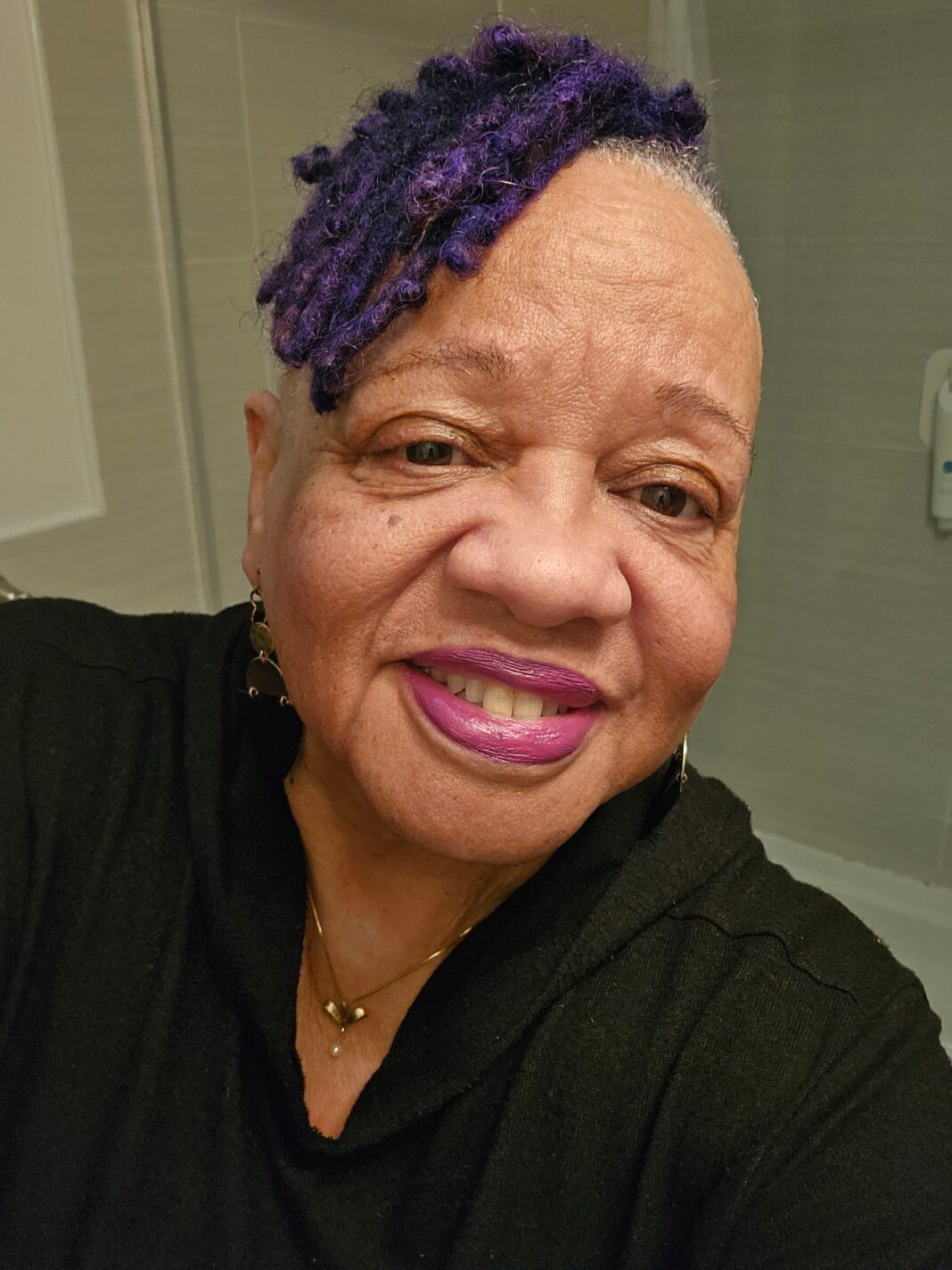
Deborah Asante is the Founder and Artistic Director of the Asante Art Institute of Indianapolis, dedicated to advancing cultural storytelling, fostering creative expression, and empowering communities through the arts.