One of Europe’s premier cultural institutions is preparing to transform the Carreau du Temple into a sprawling hub of diasporic storytelling.
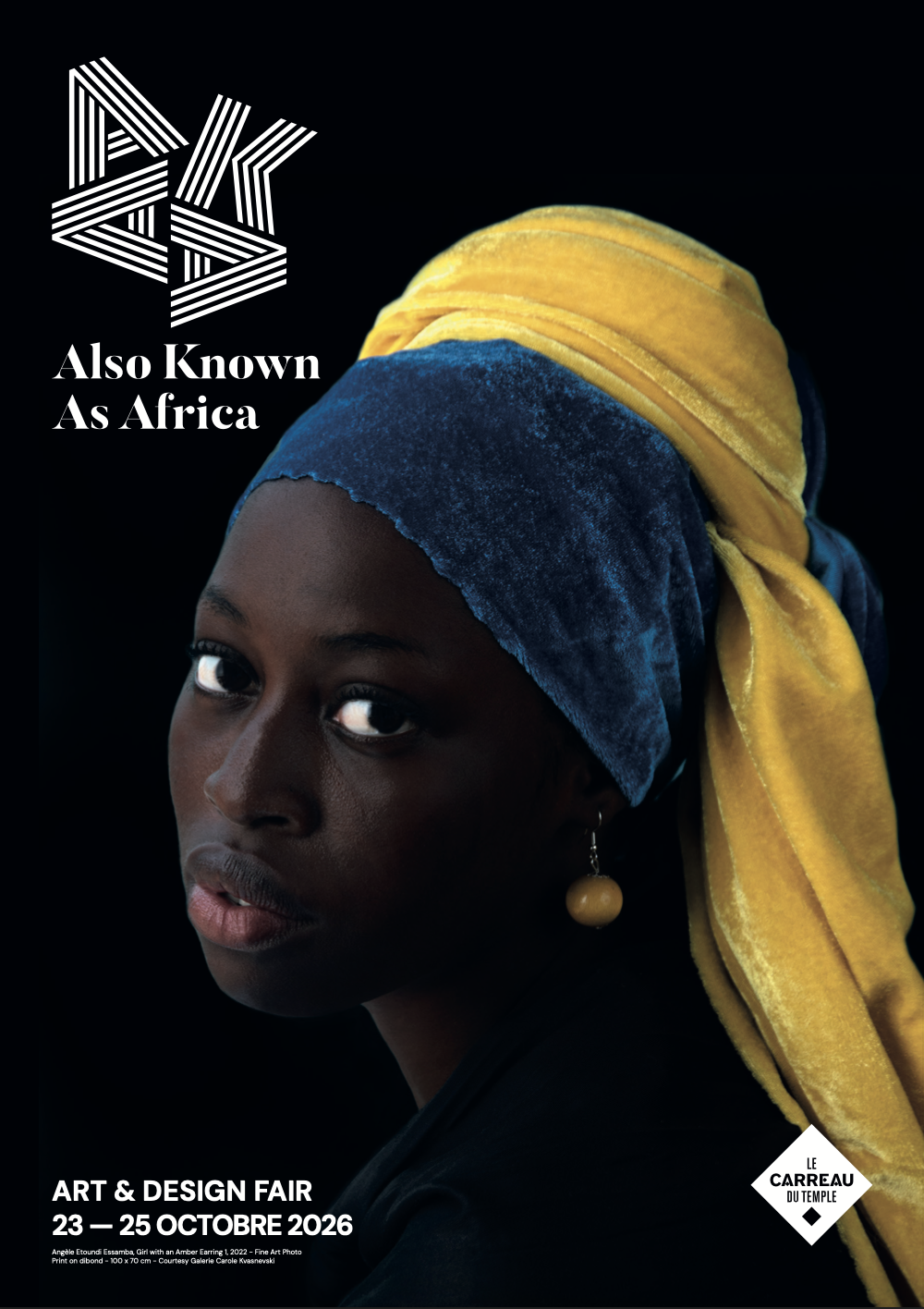
Also Known As Africa (AKAA), a flagship event of Paris Art Week, has officially announced the programming for its 11th edition, scheduled to run from Oct. 23 – 25. The event brings together international collectors, curators and institutions. The fair has spent the last decade establishing itself as a leading force in structuring the contemporary African art market.
Under the artistic direction of Sitor Senghor, the 2026 iteration places a specialized, overarching focus on contemporary photography, strategically aligning with the global bicentenary of the medium’s invention.
“As we commemorate the bicentenary of photography, it felt both natural and necessary to turn our attention towards Africa and its diasporas — not as territories to be interpreted or explained, but as inexhaustible reservoirs of imagination, memory and vision,” Senghor said in a statement. “For generations, photographers from the continent and across its diasporic communities have forged a remarkable visual archive, documenting the transformations of societies and the complexities of lived experience.”
The fair’s curatorial approach directly challenges traditional Western aesthetic norms, presenting photography not merely as documentation, but as an active tool for identity reclamation, cultural resilience, and memory preservation.
The anchor of this year’s exhibition will be a monumental installation by Senegalese photographer Gabriel Dia. Titled “Mother’s Heritage,” the immersive piece features a series of large-scale photographs printed directly onto fabric and suspended throughout the central architectural space to mimic traditional clotheslines.
Born in Rufisque, Senegal, Dia’s work explores deep intersections of gender construction, personal transmission, and societal stigma, drawing inspiration from his childhood fascination with his mother’s sewing workshop.
“By revisiting these fabrics, patterns and silhouettes several decades later, Gabriel Dia enters into a dialogue with his family history while questioning the norms that continue to shape bodies and identities,” the curatorial committee said in a statement. “Through this deeply personal work, he also celebrates the aesthetic and symbolic richness of African textiles and the craftsmanship associated with them.”
Beyond the massive photographic footprint, the fair is dedicating a specialized exhibition section to works on paper, titled “Histoires de Papiers.” Often marginalized within the broader contemporary art ecosystem, the medium — encompassing ink, collage, paper cutting, and mixed media — will be elevated to showcase the unfiltered, instinctive processes of artists exploring themes of territory, language and belonging.
“Accessible yet profound, modest in material yet limitless in possibility, works on paper (to) embody a field of remarkable creative freedom,” Senghor said.
AKAA’s international reach is reflected in its vast roster of exhibiting galleries, which span from Maputo and Dakar to New York, Chicago and Geneva. Participating institutions include Fisheye Gallery, THIS IS NOT A WHITE CUBE, Arts Design Africa Studio and OpenArtExchange.
The fair features works from globally recognized figures such as Zanele Muholi of South Africa, Omar Victor Diop of Senegal, and Angèle Etoundi Essamba of Cameroon.
Ensuring the artistic presentations are grounded in deep critical discourse, the art fair is bringing back “Les Rencontres AKAA,” a renowned cultural platform that will host a continuous schedule of public talks, screenings and panel debates. An elite selection committee guides the fair’s intellectual framework, including Chicago-based financier Mamadou-Abou Sarr, New York-based curator Eve Therond, and Ousseynou Wade, and anadvisor to the Director of the Museum of Black Civilizations in Dakar.
For African artists and their diasporic contemporaries, independent commercial hubs like AKAA remain vital infrastructure for sustaining global visibility, securing institutional acquisitions, and ensuring that the narrative surrounding African art remains directed by the artists themselves.
“Through their work, we encounter the pulse of a world that is at once diverse, dynamic and profoundly interconnected,” Senghor said. “They remind us that imagination remains one of the most powerful tools through which we understand ourselves and others.”
General admission tickets and detailed scheduling information for AKAA 2026 are available online at akaa.com. Reiterate exact location and timeframe of the event at akaafair.com
Contact multimedia & senior sports reporter Noral Parham at 317-762-7846. Follow him on X @3Noral. For more news, visit indianapolisrecorder.com.

Noral Parham is the multi-media reporter for the Indianapolis Recorder, one of the oldest Black publications in the country. Prior to joining the Recorder, Parham served as the community advocate of the MLK Center in Indianapolis and senior copywriter for an e-commerce and marketing firm in Denver.