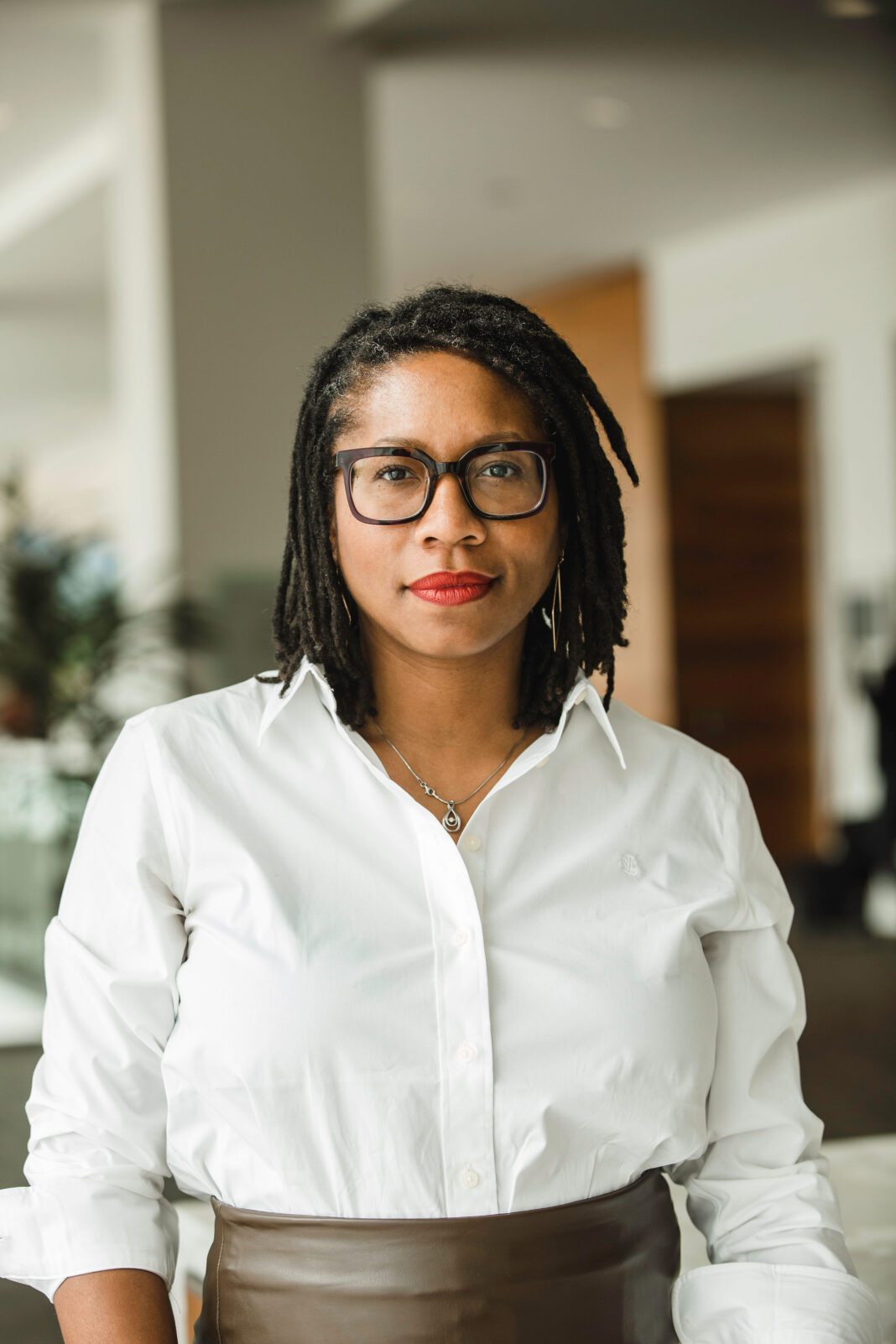
At a VOICES gathering, Steven Kniffley Jr., PsyD, challenged educators to look beyond children’s behavior and consider the experiences shaping it.
A student who lashes out can be labeled defiant. A child repeatedly sent to the principal’s office can become known for disrupting class. A young person who struggles to explain what is wrong may be judged by the behavior adults can see rather than the distress they cannot.
But what if the behavior is telling a story?
That question surfaced Friday, Oct. 9, during a conversation about racial trauma led by Steven Kniffley Jr., PsyD, a clinical psychologist and researcher whose work examines Black male mental health, race-based stress and trauma, and the intersection of Black men and boys with the criminal justice system.
Hosted by VOICES, an Indianapolis organization working with young people at the crossroads of trauma and transformation, the gathering brought together health care workers, student advocates, teachers, counselors and juvenile reentry workers to explore how racial stress and trauma can shape mental health, relationships and overall well-being.
Kniffley asked participants to consider the difference between ‘What’s wrong with you?’ and ‘What happened to you?’
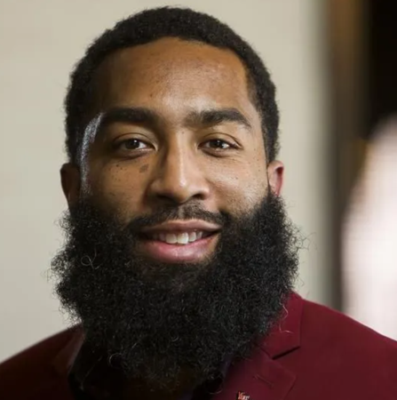
The first can make a child’s behavior seem like the whole problem. The second invites adults to consider the circumstances surrounding it.
Advocates say that shift does not mean excusing harmful behavior or assuming every difficult experience is traumatic. It means asking what else might be happening before deciding what a young person needs.
During the discussion, an audience member, whose identity is being withheld to protect her child’s privacy, described a pattern of suspensions and behavioral incidents involving her son. She explained the incidents would bring his father into close proximity because the father was responsible for handling out-of-school discipline.
Kniffley asked, “Where can we intervene to stop this narrative?”
The account raised a difficult question about the meaning adults attach to behavior. What looks like defiance may also reflect a child’s attempt to meet an unmet emotional need.
The participant said she told her son, “Stop getting in trouble; you don’t have to get in trouble to see your father.”
Kniffley’s presentation placed those questions within the broader context of racial trauma — psychological harm associated with racism and repeated experiences of racial discrimination.
“How does race-based stress and trauma develop?” Kniffley asked.
He described three forms of racism that can contribute to race-based stress and trauma. The first, which he called “aversive hostile racism,” involves people entering spaces where they have historically been excluded and experiencing negative treatment as a result. Kniffley said this can include subtle reminders that they do not belong, such as microaggressions, comments and gatekeeping of the language or knowledge needed to advance.
The second, “microinvalidations,” involves dismissing or questioning people’s accounts of their experiences. The third, “vicarious racism,” refers to repeated exposure to the racist experiences of other Black and Brown people, which can contribute to a sense that racism is inescapable.
Such experiences can contribute to distress, but their effects differ from person to person. Racial trauma is not a separate diagnosis in the “Diagnostic and Statistical Manual of Mental Disorders,” and not everyone who experiences racism develops post-traumatic stress disorder.
Kniffley discussed the challenges of helping people recognize and articulate what they feel. For children, that task can be especially difficult when they lack the vocabulary, trust or support to explain what is happening in their lives.
A child who cannot name an emotion may communicate distress through behavior. That possibility calls for careful attention, not automatic assumptions about what the behavior means.
The discussion also considered how painful experiences and coping strategies can affect family relationships across generations. Kniffley used the image of trauma packed away and passed along to the next generation — a metaphor for the ways people can carry unresolved pain and learned responses into later relationships.
Kniffley said, “We have to help folks get unstuck, and then we have to help them see things past the trauma they have encountered or that have been passed down to them. …”
That does not mean trauma is transmitted simply or inevitably. It means that patterns of responding to stress can be learned, reinforced and repeated unless people have opportunities to recognize and work through them.
“Sawubona, a South African term meaning, ‘I see you,’” Kniffley said. “What we have to do is find folks or spaces where we feel seen based on how we wish to be seen. Instead of how other folks have desired to see us.”
For educators and youth advocates, the challenge is to move beyond identifying a problem and consider what support might help. That could mean creating space for a child to explain an experience, helping the child identify emotions, or connecting a family with appropriate mental health resources.
The question is not whether adults should set boundaries or hold young people accountable. It is whether accountability can coexist with curiosity about what a child has experienced.
A suspension may remove a student from a classroom. It cannot, by itself, explain why the behavior occurred or resolve the circumstances behind it.
Kniffley’s message offered a different starting point: before defining a young person by a moment of distress, ask what that moment might be communicating.
For the adults who gathered at VOICES, the work begins with learning to ask a better question — and being prepared to listen to the answer.
Contact Health and Environmental Reporter LaTasha Boyd Jones at tashaj@indyrecorder.com or follow her on social media @iamtashajones.

Tasha Jones is a poet, writer, researcher, and educator whose work explores language as a tool for liberation and resistance. She hosts In the Beginning: The Spoken Word Podcast, the #1 spoken word podcast on Apple and Spotify. Tasha is also the Poems & Parables Literary Journal editor and is currently writing Pyramids. Plantations. Projects. Penitentiaries. You can follow her on social media: @iamtashajones, @itbspokenwordpod, and @poemsandparables.