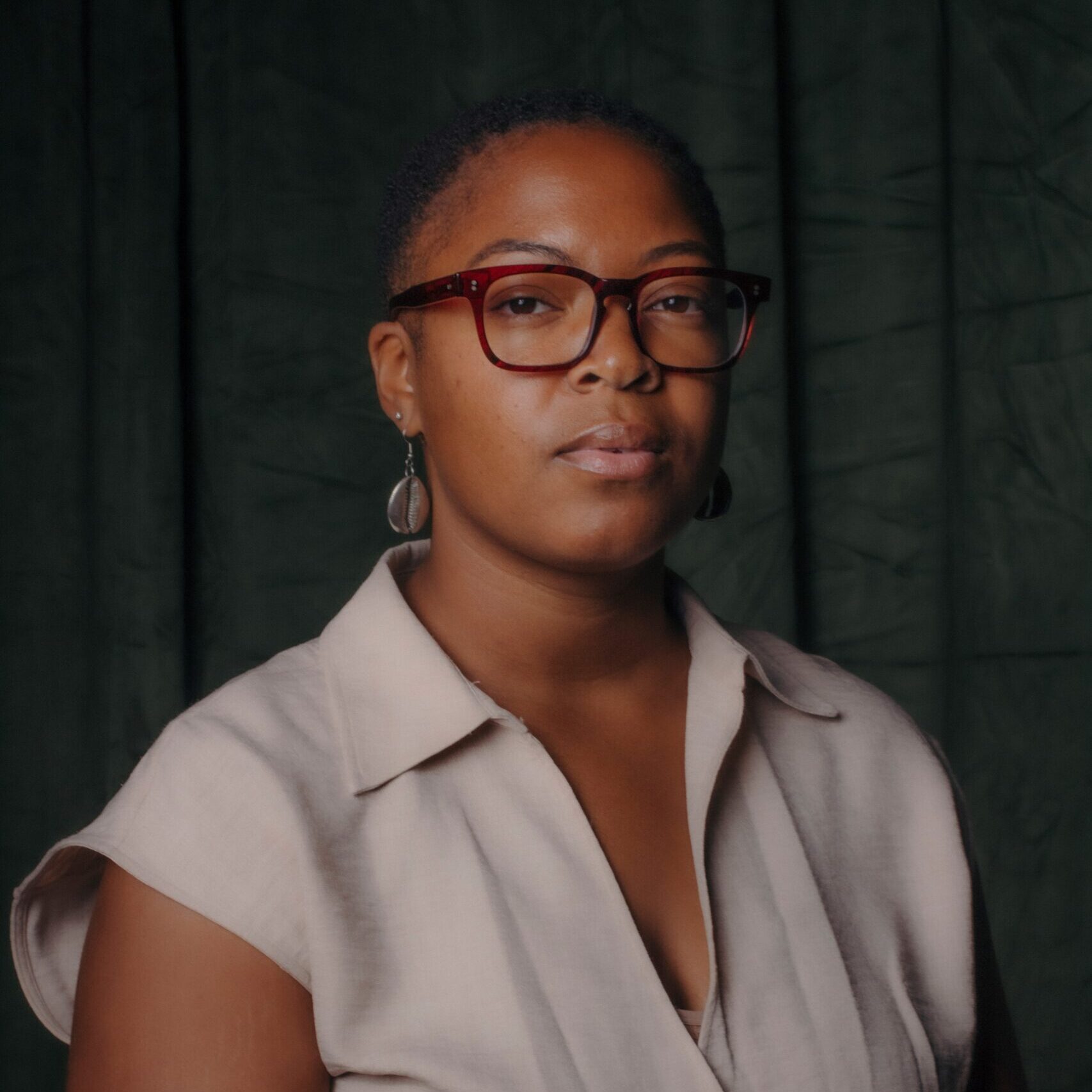
I was born on April 17, 1996, which means that on April 17, 2026 I will turn 30 years old. Technically, this makes me the last of the millennials, and as I turn 30, it’s clear to me that I have always related with millennials socially and culturally.
For instance, Soulja Boy had a profound impact on my relationship to music and media, President Obama’s first inauguration set the tone for my adolescence, traditional college success was the social expectation placed on me by the adults in my life, Instagram is my go-to social media of choice, and YouTube is my favorite DIY platform.
“Socially and culturally, I am a millennial baby.”
Socially and culturally, I am a millennial baby. However, mentally and emotionally, I relate so much more with Gen Z and Gen Alpha, and I believe that this distinction is a very important one to note, particularly at this moment in time.
Gen Z and Gen Alpha are very special generations. Gen Z has expanded not only how we use social media, but more importantly, how we communicate and share vulnerable stories with one another digitally. One of my favorite Gen Z creators is Jahad Chris Carter (@thej.c.cartershow on Instagram), who became popular on Instagram and TikTok for his comical yet deeply vulnerable street interviews.
Gen Alpha, even as young as they are (approximately 1-15 years old), are incredibly tech-savvy and know how to use technology efficiently to solve problems, for better or worse. They are even projected to be the generation that is significantly shaped by AI and other developments in technology.
I work at an elementary school, and every day I am in the computer lab with Gen Alpha students, from kindergarten to fifth grade, who have very few issues using technology to learn. The challenges tend to lie somewhere else: their mental health and emotionality.
What I have noticed as I work with these beloved students is that they struggle with emotional regulation, and it impacts their ability to show up in the world. This is something that I have noticed with both Gen Z and Gen Alpha. In online spaces, I witness Gen Z “memeify” their lived experiences and I witness my Gen Alpha students struggle with emotional regulation in their learning environments daily.
“…these young people are struggling to navigate the emotional intensity of being a young person at this moment in time.”
As I witness them, I recognize something very familiar: these young people are struggling to navigate the emotional intensity of being a young person at this moment in time. As a child, I was deeply empathic and often very afraid. I also endured abuse and lived in a version of isolation that taught me to suppress my joy and focus solely on performance.
I was often described as sensitive and didn’t feel like the world really saw me. I have a kindergarten class photo where I am the only child in the bunch, standing off to the side, crying in the arms of my teacher’s aide. I didn’t know this until adulthood, but I was moving through life with a recurring feeling of emotional dysregulation, and I was operating without the tools to tend to my remarkably tender nervous system.
Living through the global COVID-19 pandemic as a then 20-something-year-old brought me face-to-face with my psychological wellbeing. I learned then that my mental health is like a rubber band and it can snap if I stretch it without tending to it carefully.
In my late twenties, I decided to explore my suppressed free-spirited nature and, as I discovered beautiful things about myself, I once again faced the heavy truths of my psychological well-being. I recognized that I struggled to face and navigate the hard parts of being human. I decided then that, in order to continue living fully, I would need to learn how to live and seek joy despite my circumstances or perceived failings. I would need to tend to my soul.
As I turn 30 and reflect on my childhood, adolescence and early adulthood, this is what I am learning and what I want to share with my Gen Z and Gen Alpha loves: you can ward off physical, spiritual and psychological discontent more successfully if you are grounded in something pure that is much bigger than yourself while taking good care of yourself.
“Your soul is yours and it must be anchored in something unshakeable and evergreen.”
Your soul is yours and it must be anchored in something unshakeable and evergreen. You must not, by any means, anchor yourself in anything narcissistic or self-deprecating for that foundation will be faulty. Doing so, you may become untethered and risk a spiritual death so comprehensive that it will take everything you have to find your way back to God, should you choose to or feel that you can.
My big, pure thing is love, which I also call God or Source. The world will tell you what to believe and how to believe, but in the words of Zora Neale Hurston’s “Their Eyes Were Watching God,” there are “Two things everybody’s got tuh do fuh theyselves. They got tuh go tuh God, and they got tuh find out about livin’ fuh theyselves.”
So much is going on in the world, and as a young person, you will have to find a way to live despite it all. I want you to know that you can and you will. There is always more joy, there is always more hope, and there is always more love. You can find it in the most unassuming of places — starting with yourself.
With love and curiosity,
N. Jamilia James
Read more from N. Jamilia James at Substack @thesourceoflight.