
Opening an electricity bill can be a shock for many Indianapolis residents this time of year.
As temperatures begin to rise and air conditioners start running more frequently, energy usage climbs — and so do monthly bills. For customers of AES Indiana, that financial pressure is coming at a time when the utility company is also seeking to raise rates, leaving many households worried about what they will pay in the months ahead.
The company, which provides electricity to more than 500,000 customers across Marion County and surrounding communities, filed a request with the Indiana Utility Regulatory Commission seeking approval for a two-phase rate increase. If approved, the proposal would raise residential bills by about 13.5% overall, or roughly $21 more per month for a typical household using 1,000 kilowatt-hours of electricity, according to AES Indiana.
Utility officials say the request is tied to rising operational costs and investments in infrastructure designed to improve reliability and modernize the power grid.
“AES Indiana’s rate review addresses rising operational costs and future investments to serve our customers reliably,” the company said in a statement announcing the filing.
But for many Indianapolis residents already dealing with inflation and rising housing costs, the possibility of higher energy bills has sparked frustration and renewed debate about energy affordability.
Summer usage can drive bills higher
Even without a rate increase, electricity bills often rise significantly during warmer months. Cooling systems are one of the largest sources of energy use inside a home.
According to AES Indiana, heating and cooling can account for up to half of a household’s total electricity use, meaning seasonal temperature swings have a major impact on monthly bills.
“If your bill is higher than usual, it’s often because you’re simply using more energy,” AES Indiana explains in its customer guidance materials, noting that seasonal changes and HVAC use are common drivers of higher bills.
In Indianapolis, where humid summers often push temperatures well into the 80s and 90s, air conditioning systems can run for hours each day — particularly during heat waves. That added usage quickly translates into higher electricity costs.
But energy experts say there are several steps residents can take to reduce consumption before those bills spike.
Start with your thermostat
One of the simplest ways to lower electricity costs is adjusting thermostat settings. Raising the thermostat by just a few degrees when leaving the house or going to bed can reduce energy usage without sacrificing comfort. Smart thermostats can automate those adjustments throughout the day.
The U.S. Department of Energy recommends setting thermostats higher in summer when no one is home and using programmable schedules to reduce unnecessary cooling.
Even small adjustments can make a difference. Energy experts note that lowering cooling demand during peak hours can significantly reduce electricity consumption over the course of a month.
Seal the leaks that waste energy
Many homes lose cooled air through small leaks around windows, doors or ductwork.
Sealing those gaps with weatherstripping or caulk can help keep cool air inside, reducing how hard air conditioning systems have to work. Improving insulation — particularly in attics — can also prevent heat from entering the home.
While some upgrades require upfront investment, many are inexpensive DIY projects that can lead to noticeable savings on monthly energy bills.
Unplug the “phantom” energy drains
Another hidden source of electricity use is what experts call “phantom load.”
Electronics such as televisions, gaming consoles and kitchen appliances continue drawing power even when turned off if they remain plugged in.
Using power strips or unplugging devices when they’re not in use can eliminate that wasted energy. Over time, reducing phantom loads can shave a small but meaningful amount off monthly bills.
Track your energy usage online
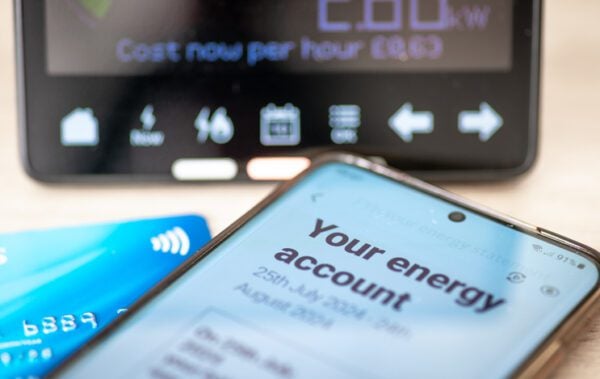
Customers of AES Indiana can also monitor electricity use through their online account dashboards.
Tracking daily or weekly energy use can help identify patterns — such as spikes during certain times of day — and give residents a clearer picture of what activities or appliances are driving higher bills.
Comparing usage with previous months or similar households can also help identify opportunities for savings.
Rebates and efficiency programs
For residents interested in larger upgrades, AES Indiana offers rebates for energy-efficient home improvements, including insulation, HVAC system upgrades and other improvements designed to reduce electricity use.
Energy-efficient appliances and smart home technology can also help lower consumption. Some home automation systems automatically adjust lighting, heating and cooling based on occupancy, helping households reduce unnecessary energy use.
AES Indiana says certain energy management systems can cut electricity consumption significantly by optimizing when and how energy is used.
Help for households struggling with bills
For some Indianapolis residents, especially those on fixed incomes or facing financial hardship, even modest increases in electricity bills can be difficult to manage.
Programs such as the Energy Assistance Program provide financial support to income-eligible households to help cover heating and electricity costs.
Community organizations across Marion County also offer utility assistance resources and payment plans to help residents avoid service disconnections during periods of financial strain.
AES Indiana also offers a budget billing option that spreads energy costs evenly across the year. That program can help households avoid large seasonal spikes by averaging bills over a 12 month period.
The larger debate over utility costs
Energy affordability has become a growing issue in Indiana as utility companies invest billions in grid modernization and new energy infrastructure.
Consumer advocates say those investments are necessary but argue they must be balanced with protections for ratepayers who may struggle to absorb higher costs.
The Indiana Utility Regulatory Commission will ultimately decide whether AES Indiana’s proposed rate increases are justified and how much customers may see their bills change.
The regulatory process typically includes testimony from consumer groups, energy experts and utility officials before a final decision is made.
What residents can do now
While the outcome of that review remains uncertain, energy experts say residents can start lowering electricity costs immediately by reducing energy use at home.
Adjusting thermostat settings, sealing air leaks, unplugging unused electronics and monitoring electricity usage are among the easiest ways to control costs.
Those steps may seem small individually, but together they can significantly reduce household electricity consumption — particularly during the high-usage summer months.
For Indianapolis residents watching their budgets closely, that proactive approach could make the difference between a manageable energy bill and an unexpected financial strain when the next AES statement arrives.
For more tips, rebates, and programs designed to help Indianapolis households lower their electricity costs, AES Indiana customers can visit aesindiana.com/energy-saving-tips for guidance on everything from simple thermostat adjustments to energy-efficient home upgrades.
Contact Health & Environmental Reporter Hanna Rauworth at 317-762-7854 or follow her on Instagram at @hanna.rauworth.

Hanna Rauworth is the Health & Environmental Reporter for the Indianapolis Recorder Newspaper, where she covers topics at the intersection of public health, environmental issues, and community impact. With a commitment to storytelling that informs and empowers, she strives to highlight the challenges and solutions shaping the well-being of Indianapolis residents.