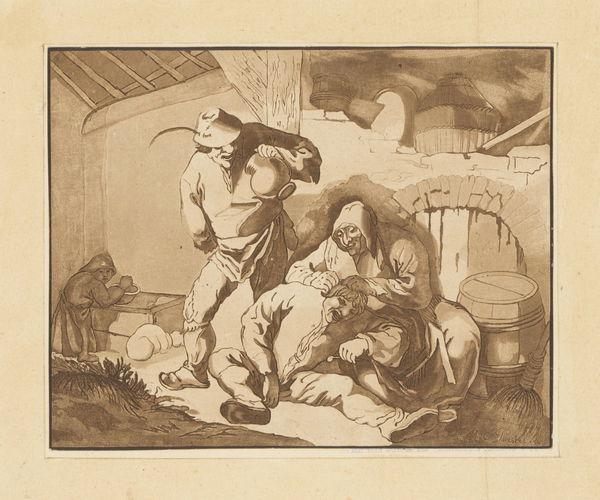
When the United States declared its independence in 1776, the average American faced a world where disease was common, childbirth was dangerous and a simple infection could become a death sentence.
There were no antibiotics, no vaccines for most infectious diseases, no emergency rooms and little understanding of how illnesses spread. Doctors often relied on bloodletting, herbal remedies and trial-and-error treatments, while epidemics regularly swept through towns and settlements.
Over the past 250 years, advances in medicine, science and public health have transformed the nation’s health. Americans are living decades longer than they did at the country’s founding, thanks to cleaner water, vaccinations, modern surgery and lifesaving medications.
Yet America’s health story is about more than scientific breakthroughs. It is also a story of inequality. From enslaved Africans and Native Americans in 1776 to racial and ethnic health disparities that persist today, access to quality health care has never been equal for everyone.
As the nation celebrates its 250th birthday, the evolution of American health offers both a reason to celebrate and a reminder that the pursuit of health equity continues.
(Photo/Library of Congress, Prints and Photographs Division)
A dangerous beginning
Medical care in 1776 bore little resemblance to modern medicine.
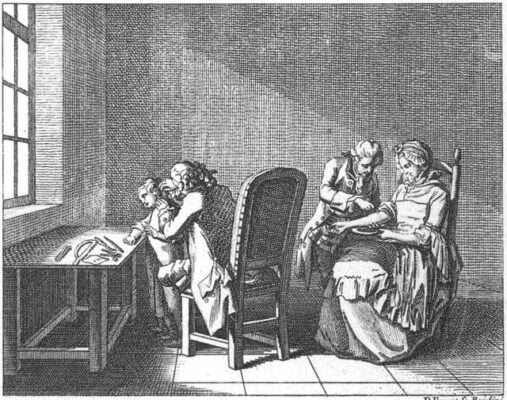
Doctors had not yet discovered germs or understood that bacteria and viruses caused disease. Instead, many physicians believed illness resulted from an imbalance of the body’s four “humors” and attempted to restore balance through bloodletting, purging or herbal treatments. Some remedies offered temporary relief, but many were ineffective or harmful.
“Physicians and patients grappled with questions of individual risk, public health ramifications and balancing the interests of the individual and the state,” according to a Journal of the American Medical Association historical review of 18th-century smallpox inoculation debates.
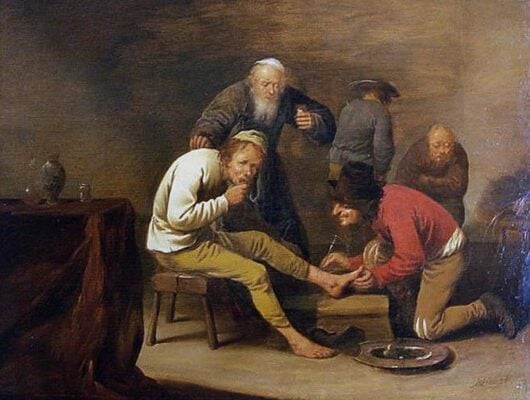
Hospitals were rare, particularly outside large cities, and most medical care happened in patients’ homes. Physicians often traveled on horseback from one community to another, while many families relied on midwives, local healers and home remedies.
(Photo/Library of Congress, Prints and Photographs Division)
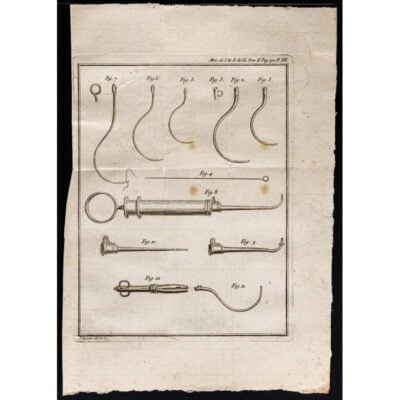
Infectious diseases posed the greatest threat to life. Smallpox, tuberculosis, yellow fever, malaria, dysentery and pneumonia claimed thousands of lives every year. Without antibiotics, even a small cut could become fatal if it became infected.
Women faced extraordinary risks during pregnancy and childbirth. Without prenatal care, blood transfusions or safe surgical procedures, maternal mortality remained high.
Life expectancy at birth averaged about 35 to 40 years, largely because infant and childhood mortality were so common. Those who survived childhood often lived much longer, but many Americans never reached adulthood.
(Photo/Library of Congress, Prints and Photographs Division)
Health was never equal
While America’s founders declared that “all men are created equal,” health care was anything but equal.
Enslaved Africans lived under brutal conditions that contributed to poor health. Long hours of forced labor, inadequate food, overcrowded housing and physical abuse increased the risk of disease and early death. Medical care, when available, often focused on preserving enslaved people’s ability to work rather than improving their overall well-being.
Despite these conditions, enslaved communities preserved traditional African healing practices and relied on shared knowledge of medicinal plants and natural remedies passed down through generations.
Native American communities suffered devastating population losses after exposure to diseases introduced by Europeans, including smallpox, measles and influenza. Because Indigenous populations had little natural immunity, entire villages were devastated by epidemics.
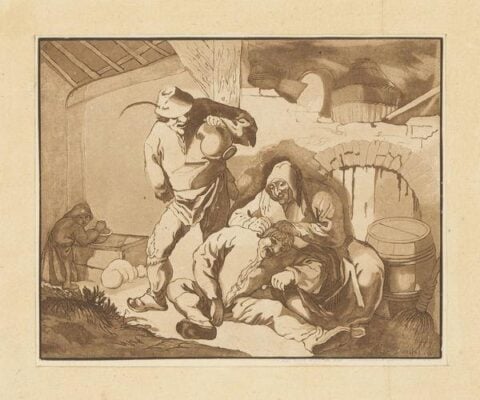
(Photo/Library of Congress, Prints and Photographs Division)
Women also experienced unequal treatment. Although many served as respected midwives and caregivers, few had opportunities to receive formal medical training or become physicians.
The health disparities that existed during America’s founding did not disappear as medicine advanced. Instead, many evolved into the inequities that public health experts continue working to address today.
Breakthroughs that changed everything
The greatest improvements in American health came from both medical discoveries and public health investments.
The development of germ theory during the 19th century revolutionized medicine by explaining how diseases spread. Communities built sewer systems, improved sanitation and provided cleaner drinking water, dramatically reducing illnesses caused by contaminated food and water.
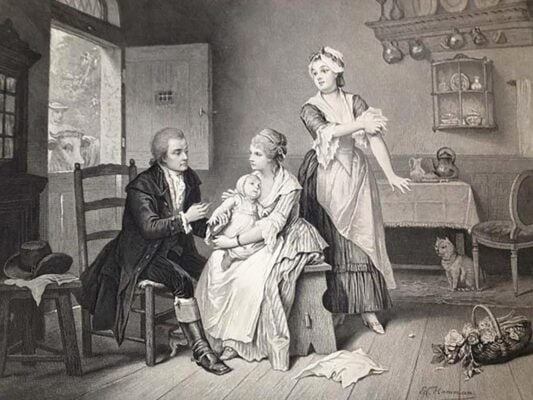
(Photo/Library of Congress, Prints and Photographs Division)
Vaccination became one of the most significant public health achievements in history. Smallpox, one of humanity’s deadliest diseases, was declared eradicated worldwide in 1980 following a global vaccination campaign. Childhood vaccines have since prevented millions of deaths from diseases such as measles, polio and diphtheria.
The discovery of antibiotics transformed medicine by making bacterial infections treatable. Advances in anesthesia and sterile surgical techniques made increasingly complex operations possible, while imaging technologies such as X-rays, CT scans and MRI scans allowed physicians to diagnose disease with unprecedented accuracy.
Public health campaigns encouraging handwashing, seat belt use, tobacco cessation and preventive screenings also helped Americans live longer and healthier lives.
Today, average life expectancy in the United States is nearly twice what it was in 1776, despite recent declines related to the COVID-19 pandemic and the opioid epidemic.
Progress with persistent disparities
Although Americans are healthier overall than they were 250 years ago, significant disparities remain.
Black Americans continue to experience higher rates of maternal mortality, hypertension, heart disease and stroke than many other racial groups. Native Americans have lower average life expectancy and higher rates of diabetes and substance use disorders. Hispanic communities often face barriers related to insurance coverage, language access and preventive care.
Researchers increasingly recognize that health depends on much more than medical care. Access to affordable housing, nutritious food, quality education, transportation, stable employment and safe neighborhoods all influence long-term health.
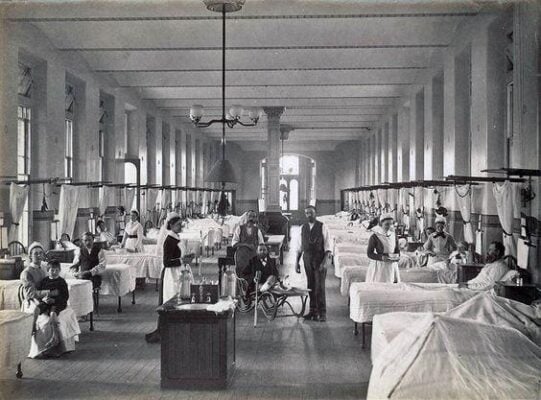
(Photo/Library of Congress, Prints and Photographs Division)
Those inequities also come with a significant economic cost. According to a 2023 study funded by the National Institutes of Health, racial and ethnic health disparities cost the U.S. economy an estimated $451 billion in 2018, while education-related health disparities totaled nearly $978 billion.
“The exorbitant cost of health disparities is diminishing U.S. economic potential. We have a clear call to action to address social and structural factors that negatively impact not only population health, but also economic growth,” said Dr. Eliseo J. Pérez-Stable, director of the National Institute on Minority Health and Health Disparities.
The research found that Black Americans bore nearly 70% of the nation’s economic burden from racial and ethnic health disparities, largely because of premature deaths. American Indian, Alaska Native, Native Hawaiian and Pacific Islander populations experienced the highest economic burden per person.
Lead author Dr. Thomas LaVeist, dean of the Tulane University School of Public Health and Tropical Medicine, said the findings demonstrate that improving health equity benefits everyone.
“The results of this study demonstrate that health inequity represents not just unfair and unequal health outcomes, but it also has a significant financial cost,” LaVeist said.
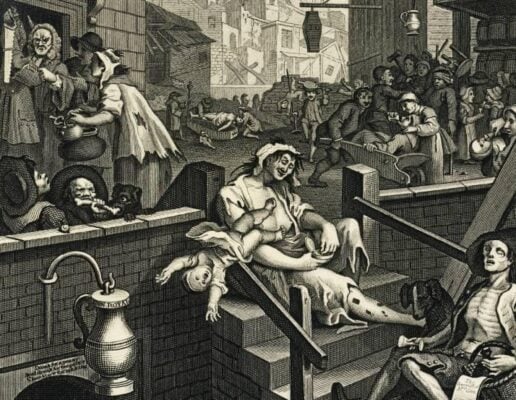
(Photo/Library of Congress, Prints and Photographs Division)
The COVID-19 pandemic further highlighted longstanding inequities, as many minority communities experienced disproportionately higher rates of illness, hospitalization and death because of existing health conditions and unequal access to health care.
Looking ahead
Medicine continues evolving at an extraordinary pace.
Researchers are exploring gene therapies capable of treating inherited diseases, artificial intelligence that can assist physicians in diagnosing illnesses and personalized medicine tailored to an individual’s genetic makeup. Telehealth has expanded access to care in rural and underserved communities, while wearable technology allows people to monitor chronic conditions from home.
Federal health agencies also continue investing in research aimed at reducing health disparities by addressing the underlying causes of unequal health outcomes. Efforts focus on understanding how housing, education, income, neighborhood environments and access to quality health care shape health over a lifetime.

(Photo/Library of Congress, Prints and Photographs Division)
America’s health story demonstrates that scientific breakthroughs alone are not enough. Improvements in sanitation, education, nutrition, public health infrastructure and equitable access to care have been just as important as advances made in laboratories and operating rooms.
As the nation celebrates its semiquincentennial, the history of American health serves as both a testament to human innovation and a reminder that the next chapter depends on ensuring every community has the opportunity to live a healthy life.
This reporting is made possible by a grant from the Indianapolis African-American Quality of Life Initiative, empowering our community with essential health insights. https://iaaqli.org/
Contact Health & Environmental Reporter Hanna Rauworth at 317-762-7854 or follow her on Instagram at @hanna.rauworth.

Hanna Rauworth is the Health & Environmental Reporter for the Indianapolis Recorder Newspaper, where she covers topics at the intersection of public health, environmental issues, and community impact. With a commitment to storytelling that informs and empowers, she strives to highlight the challenges and solutions shaping the well-being of Indianapolis residents.