Learn more about joining the community and supporting the upcoming documentary.
“You’re still in it.” It does not matter if those four words come from an audience member at an event where I’m speaking, a mental health professional, a colleague or a friend. Those words hurt a little. They’re supposed to.
Because some women never get out.
That is one significant reason for the community I’m building. I’m connecting survivors with each other and with resources, support groups and self-help. This matters because when you’re with other women with lived experiences, generally, you’re okay. You’ve found safety.
I know exactly what it feels like to survive domestic violence, religious abuse and childhood abuse. Then, to want the life that you rightly deserve, and to be forced to grind for it every day because that life does not come easily. It costs.
It’s hard enough to survive as a Black woman. It is drastically more difficult to survive as a Black woman processing and unpacking trauma while finding a way to support your children’s needs emotionally, mentally, physically, spiritually, socially and financially.
Yet, with inherited ancestral resilience, many of us naturally find a way to keep going. Others elevate to a greater place of understanding, discernment, and experience. Then, with love, we oftentimes find a way to reach back and help others out of the pit of despair that we were once accustomed to with instinct and wisdom.
So yes, I’m still in it. I still live in the martial home, in the same neighborhood, around many of the same people from my old Kingdom Hall who felt like they could be both of our friends — my abusive ex-husband’s and mine. Or the older women of the congregation who did not support me, such as the Witness sister who told me when I was being abused years ago, “The elders don’t want us to say anything to you about it.”
The sad truth is that in many religious communities, the victim is silenced or not supported properly, while the abuser is praised, and my story has that same familiarity.
That horrible injustice is one aspect that is highlighted in my independent documentary film, currently in post-production, with the working title of “Sisters Living with Religious Trauma Syndrome.”
Through my moving one-woman stage play, “Let Mia Tell It,” along with interviews, commentary, and clips from the trauma-informed workshop, “What’s Hurting You?,” this documentary highlights my journey of survival, finding clarity and graduating cum laude with a degree in psychology as the doors of self-discovery opened, allowing me to find who I really am, and how to love myself tenderly.
This film is a teaching tool. I’m working to build the community that I know is needed. To join me or learn more, email me at mira@miracassidy.com, or you can call or text me at 317-620-1592. Visit gofundme.com/f/breaking-silence-through-theater to be a sponsor and partner to bring this transformational film to so many who need it around the globe.
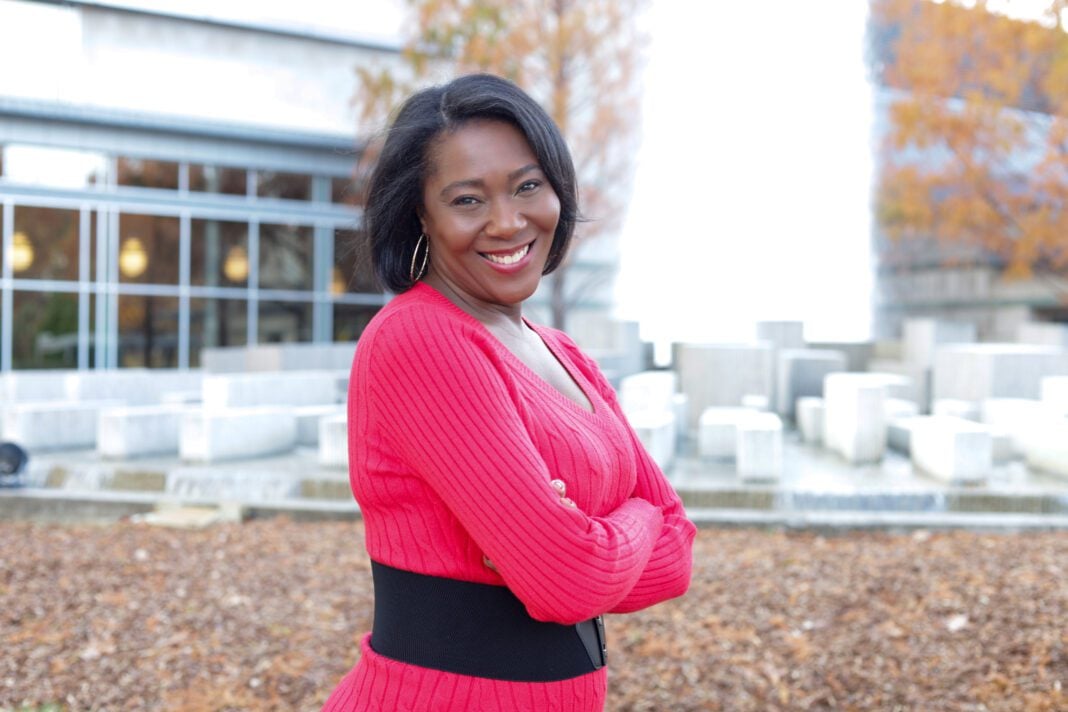
Mira Cassidy is a religious abuse recovery coach, actress and writer.

Mira Cassidy is a religious abuse recovery coach, actress, and writer who works as an advocate and connector for women affected by religious abuse. Mira graduated with a Bachelor of Science degree in Psychology of Human Relations from IWU December of 2024. She is the founder of Sisters Living with Religious Trauma® Support Media LLC.