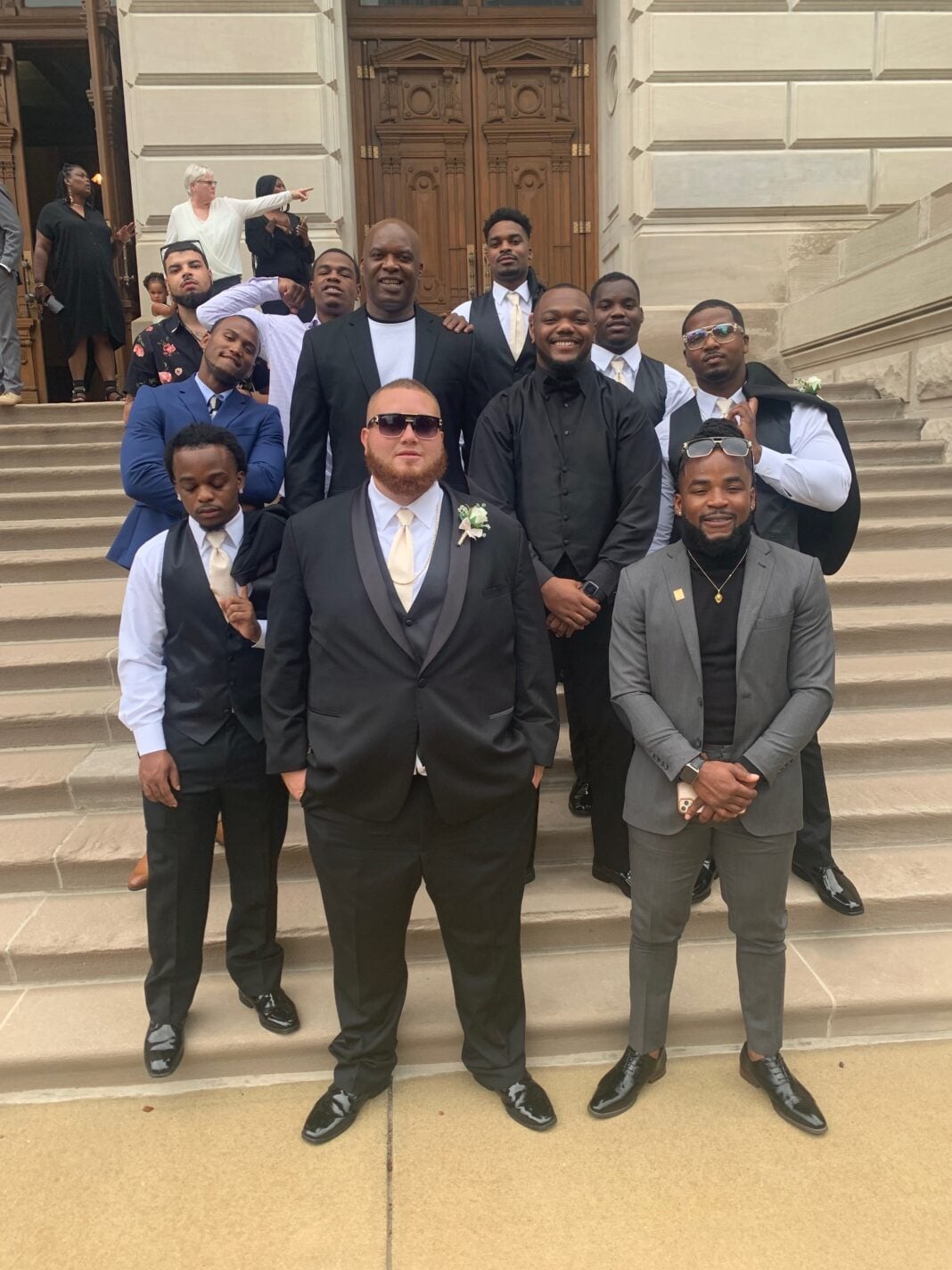

For years, I coached young men in Indianapolis Public Schools (At Arsenal Tech High School and Tabernacle Presbyterian, Riverside, and Douglas Park). Many are adults now, building careers and raising families. None of them lacked talent. What changed their path was someone showing them that opportunity was real and then helping them reach it. I saw it again when I helped move IPS students from the alternative schools into the career center. They had the ability. What they lacked was access. When the door opened, they walked through it.
This week, voters approved new investment in IPS and participating public charter schools. At the same time, the new Indianapolis Public Education Corporation (IPEC) is reshaping how those schools share funding and, over time, buildings and transportation. That creates an opening, and a responsibility to get it right.
The investment matters. But money alone won’t change what happens when a young person walks into school believing nothing out there is meant for them. Too many of our young people feel that way. Our job isn’t to tell them they’re wrong. It’s to build the path and make sure they can walk it.
This region is full of opportunity: growing employers, skilled trades, health care, technology and entrepreneurs building something new. A child born in Indianapolis should grow up knowing that and have a real path into it. That means meeting people doing work they never imagined, visiting workplaces, and seeing how what they learn in class connects to the life they want.
Schools can’t do that alone. Education is the keystone, but it needs the whole city behind it. That’s why we’re inviting leaders from eight communities of influence to one table: education, community, policy, funding, development, industry, entrepreneurs and communications. Students, parents and educators will help shape its priorities from the start.
This table won’t govern schools, make policy or compete with IPEC, the IPS board, the superintendent or charter leaders. IPEC’s members are appointed. This gives residents a direct way to support their work, as a thought partner and sounding board. Members will disclose their interests and work in the open. Their value is what they bring: mentors, work experiences, resources and stronger ties to families.
The table’s first job is a five-year vision, built with young people and families, that defines the result. When students walk out the door in 12th grade, what percentage of each class will have:
· Earned an industry-recognized credential?
· Gone on to college?
· Completed an internship or real work experience?
· Taken classes at a career center?
· Taken part in sports, the arts or other activities?
The table will set those numbers together, then measure them publicly every year.
That’s what has been missing. Indianapolis doesn’t lack programs or people who care. But too often, each one works toward its own goal. When we agree on where our young people should be at graduation, every program, partnership and dollar can pull in the same direction.
This is what cities do when they get serious. In 2010, nearly 6,000 San Antonio residents came together through SA2020 to set public goals for their city, with education at the top. They chose clear targets and reported progress every year. They beat their graduation goal within two years. Where progress stalled, the lesson was plain: a shared vision works only when every sector commits to its part.
We don’t need a new nonprofit or another institution to do this. We need community members who represent the eight communities of influence to come together, agree on the goal, and hold each other to it. No one needs permission to work together for our young people. We need this community to say yes and show up.
Voters have made an investment. Now the rest of us must decide what we will contribute.
If your organization can bring career experiences, mentors, employer partnerships, resources or youth and family perspectives, contact the Indianapolis Recorder at Newsroom@indyrecorder.com.
Emil Ekiyor is a former NFL professional football player and former IPS coach. He builds systems that connect young people and entrepreneurs to opportunity.