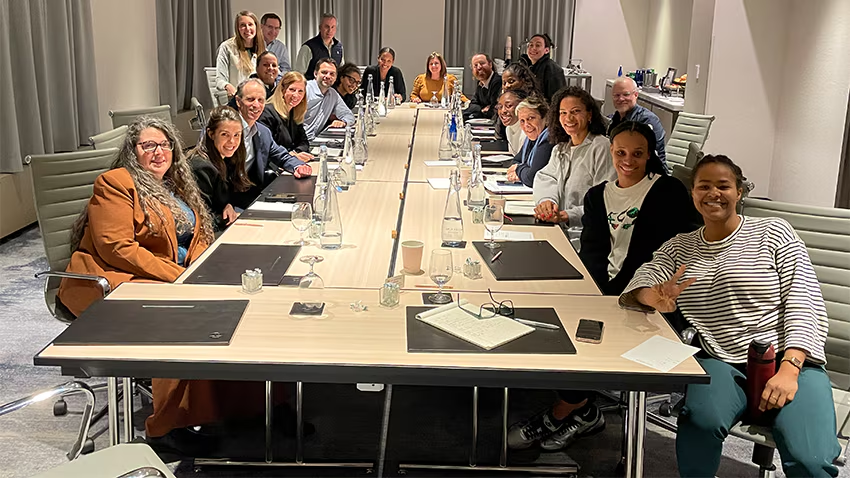
In July 2025, the Indianapolis Recorder sat down with Terri Carmichael Jackson, executive director of the Women’s National Basketball Players Association (WNBPA), amid the league’s All-Star festivities in Indianapolis. At the time, negotiations for a new Collective Bargaining Agreement (CBA) were ongoing, and Jackson’s message was clear.
“Our goal is to have a transformative CBA,” Jackson said. “I hope the league comes with that same commitment to that goal.”
Fast forward, both sides finally found common ground.
The WNBA and the WNBPA reached a tentative agreement on a new CBA that, if ratified, establishes the first comprehensive revenue-sharing model in women’s professional sports history and delivers significant salary increases for players across the league. The deal, announced March 20— during the middle of Women’s History Month— comes after months of negotiations that intensified following the players’ union’s decision to opt out of the previous CBA in October 2025.
Under the new system, the team salary cap will be set at $7 million in 2026 and is projected to exceed $11 million by 2032. Player compensation will see dramatic increases across the board. The maximum salary will be $1.4 million in 2026, projected to reach $2.4 million by 2032. The average salary will jump to $583,000 in 2026 and is projected to surpass $1 million by 2032. Minimum salaries will range from $270,000 to $300,000 in 2026, depending on years of service, rising to $340,000 to $380,000 by 2032. Rookie scale salaries will also increase significantly, and all 38 existing rookie deals will be adjusted to align with the new salary structure.

“We’ve always believed that as this league grows, the players who power it must grow with it, and we’re proud to see that belief shared,” WNBPA President Nneka Ogwumike said. “We love this game enough to push for what it can become, not just for ourselves, but for those who built this league and those who will carry it forward. This agreement reflects that shared commitment, with players owning their value and future alongside a league growing stronger because of it.”
The agreement includes league-provided housing for all players in 2026, 2027 and 2028, and for players making $500,000 or less in 2029 and 2030. New developmental players will be provided with housing each year. Charter air travel, a long-sought provision for players, will become league-wide, representing a projected investment of more than $300 million over the life of the agreement.
The deal also mandates enhanced facility standards, expanded team staffing requirements, including additional physicians, athletic trainers, strength coaches, physical therapists and nutritionists, and significant increases in team contributions to player 401(k) retirement accounts.
Life insurance benefits total more than $700,000 per player, and family planning benefits are expanded for players and their spouses or partners. Mental health coverage is also enhanced, including a specific mental health reimbursement benefit.
“This Collective Bargaining Agreement represents a defining moment in the WNBA’s 30-year history and all of women’s professional sports,” WNBA Commissioner Cathy Engelbert said in a statement. “Since its inception, the WNBA has been shaped by extraordinary athletes who believed in the league’s future. The agreement is a testament to that belief and to the tremendous progress we have achieved together.”
The agreement also includes a one-time recognition payment for WNBA veterans and retired players based on years of service. Retirees with 12 or more years of service will receive $100,000; those with 8 to 11 years will receive $50,000; and those with 5 to 7 years will receive $30,000.
Performance bonuses for league and postseason awards have increased substantially. The WNBA Champion bonus rises from $22,908 to $60,000 per player, while the Most Valuable Player award increases from $15,450 to $60,000. All-Star Game participants will receive $15,000, up from $2,575.
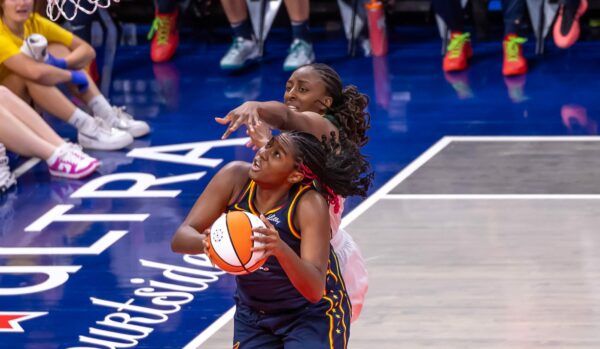
On roster construction, teams will be required to carry 12 players, with two new additional developmental roster spots per team that do not count against the salary cap. Starting in 2027, players with 7 or more years of service cannot be designated as Core Players, providing greater free-agent flexibility. The agreement also creates a pregnancy and childbirth salary cap exception, and teams must obtain player consent before trading a pregnant player.
“Over these past months, this group showed exactly who they are, prepared, relentless, and united when it mattered most, with a clear understanding that their value drives this business and when players win, the league wins,” Jackson said. “This agreement delivers what players set out to do from the beginning, transforming the economics of this league. It marks a new era led by players who know their power and chose to use it.”
If ratified, the new CBA would take effect for the upcoming 2026 season, ushering in what Jackson described as the goal all along: a transformative agreement that reflects the league’s growth and the players’ value.
Contact Multimedia Reporter Noral Parham at 317-762-7846. Follow him on X @3Noral. For more news, visit indianapolisrecorder.com.

Noral Parham is the multi-media reporter for the Indianapolis Recorder, one of the oldest Black publications in the country. Prior to joining the Recorder, Parham served as the community advocate of the MLK Center in Indianapolis and senior copywriter for an e-commerce and marketing firm in Denver.