Housing affordability remains a critical issue for people across the country. We created this FAQ to help unpack complicated housing questions — from a guide on your rights as a tenant to finding out what ‘junk fees’ are — as a living resource for our Central Indiana community.
Members of the community joined WFYI and Kids’ Voice of Indiana, Inc. for a conversation around foster care April 9, 2026 in WFYI’s community room. (Photo/Madison Hensley, WFYI)
Hoosiers can take advantage of several programs designed to make buying a first home more affordable — especially for people who need help with down payments, closing costs or interest rates. (Photo/Zach Bundy, WFYI)
In Indianapolis Section 8 participants must fall into the “Very Low Income” or “Low Income” category as defined by the Department of Housing and Urban Development, according to the IHA. (Photo/WFYI)
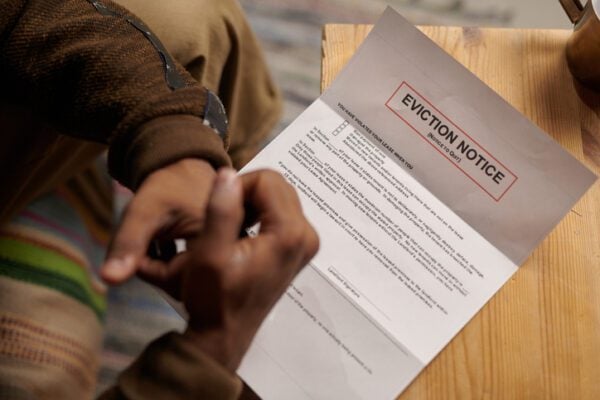
A landlord does not have the right to force a tenant out of their home without a court order and tenants must have a safe and secure environment to live in, known as the “warranty of habitability.” (Photo/Zach Bundy, WFYI)
Most apartments and housing agencies run background checks and check sex offender registries, and any criminal record or registered sex offender will show up. Landlords can legally deny housing to people with records for many reasons — and many do. (Photo/Zach Bundy, WFYI)
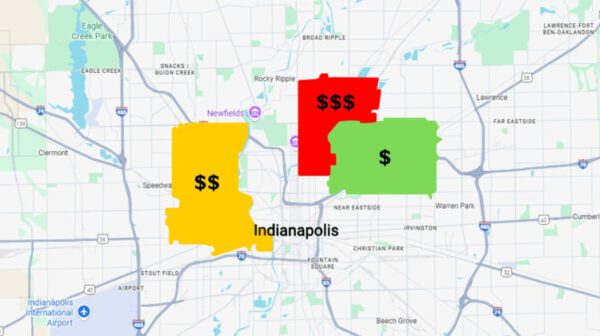
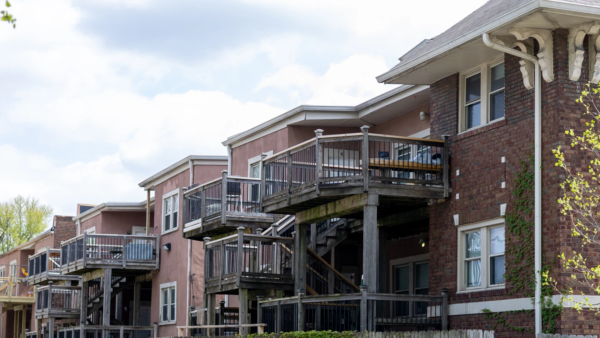
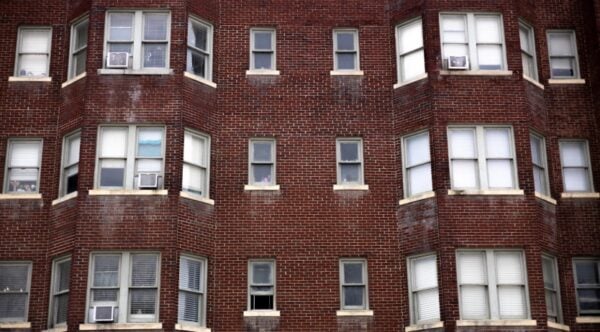
The average rent in Indianapolis is about $1,463 per month, according to Zillow. That includes houses and townhomes, which average about $1,650, and apartments and condos, which average $1,188. (Photo/WFYI)
Indiana is one of six states where there is no grounds for withholding rent, even when the reason is because the landlord hasn’t fixed an outstanding maintenance issue.(Photo/Getty Images)
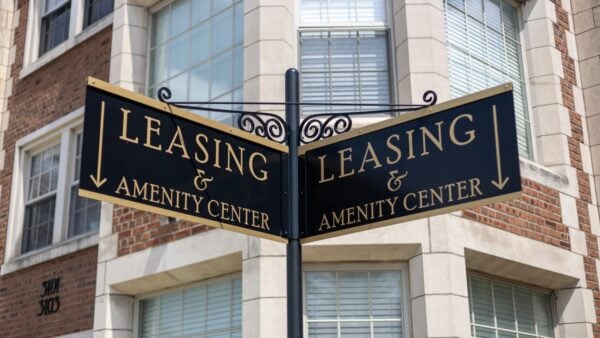
Currently, Indiana law does not regulate junk fees. A 2025 bill attempted to require landlords to disclose all fees in advertisements, but the measure failed. (Photo/ Zach Bundy/WFYI)
Indianapolis sees disproportionately high eviction rates, despite having a relatively low average monthly rent compared to other major cities in the country. That points to systemic housing issues locally and statewide. (Photo/Zach Bundy/WFYI)
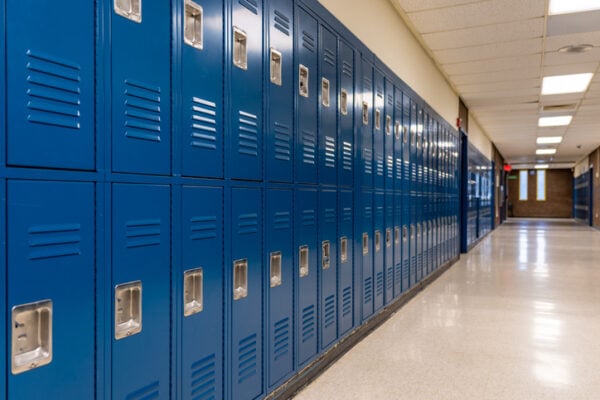
Under federal law, students are considered homeless if they lack a “fixed, regular and adequate nighttime residence.” That includes living in shelters, transitional housing, hotels or temporarily staying with friends or relatives, sometimes called “couch surfing.” (Photo/Getty Images)
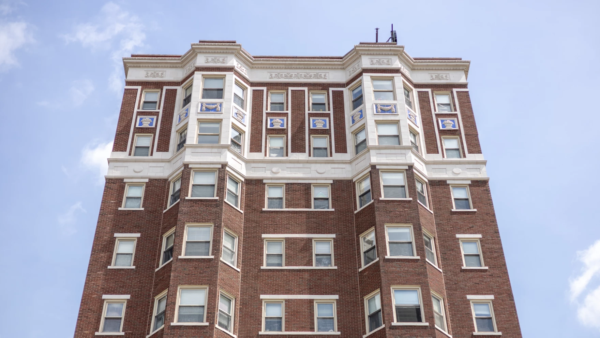
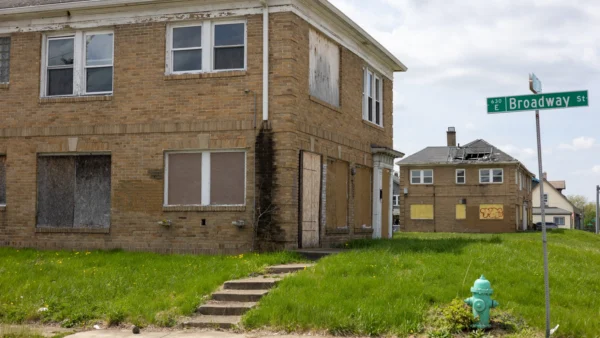
Experts say the United States has been critically underbuilding housing over the past two decades. That inevitably creates places where, as demand increases and new housing stock doesn’t come online, prices go up.(Photo/Zach Bundy/WFYI)
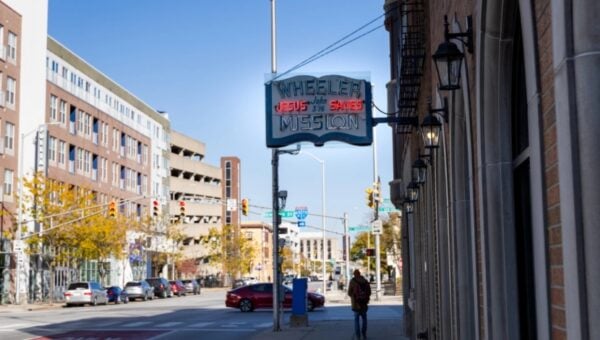
Wheeler Mission offers emergency shelter. Services include meals, clothing, showers, and case management with social service referrals. (Photo/Zach Bundy/WFYI)
Also known as a contract for deed or land installment contract, a land contract is an agreement where the buyer makes payments to the seller until it is fully paid. (Photo, File Photo, WFYI)