

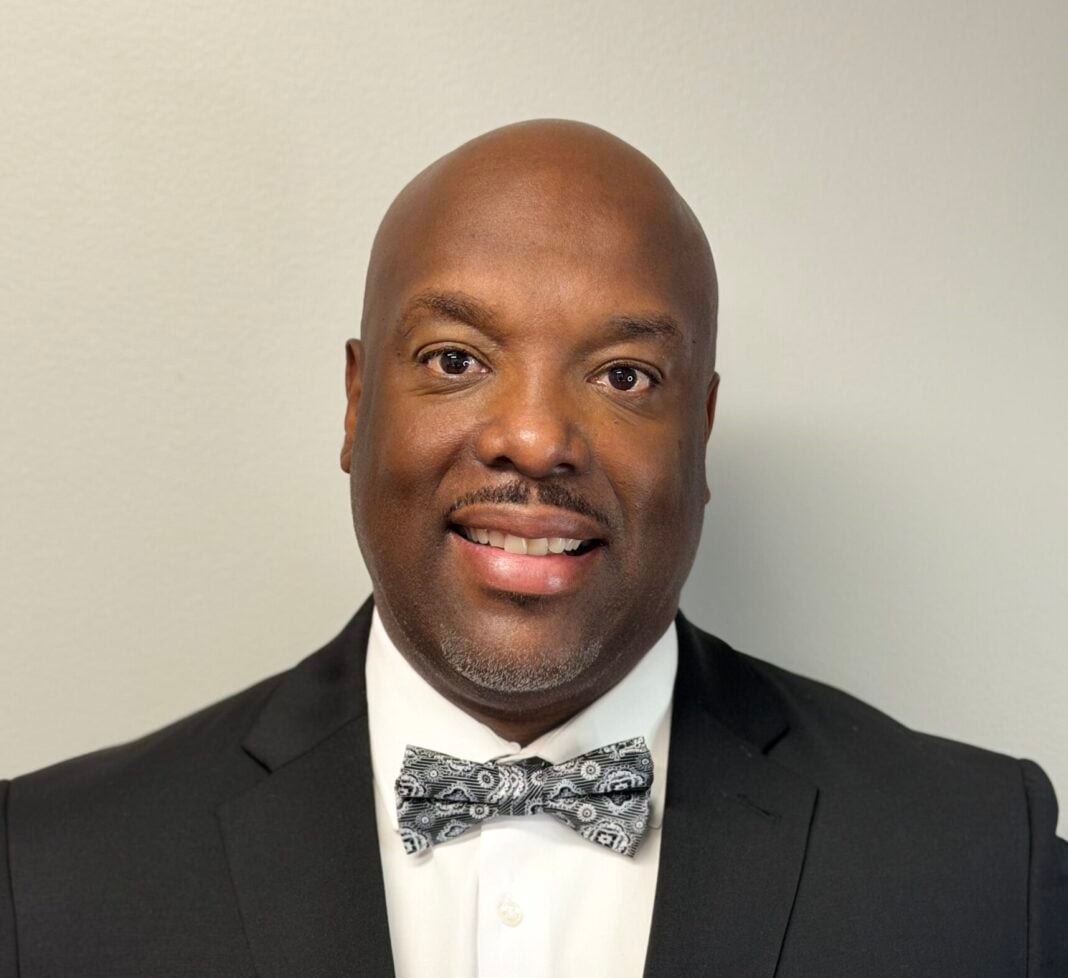
As a school leader for more than 24 years, I’ve had the opportunity to serve in both public and private schools. During that time, I’ve watched educators spend countless hours trying to answer one question: How do we build a positive school culture? We create committees, purchase new programs, rewrite mission statements and develop strategic plans, all in hope of creating a place where students, staff and families want to be.
Ironically, one of the best lessons I’ve learned about culture didn’t happen inside a school building. It happened on a hill.
For the past month, I’ve been participating in workouts with The Hill 317 in Lawrence. Like many others, I originally joined for my health. I wanted to lose weight, challenge myself physically and become more consistent. What I didn’t expect was to receive a master class in leadership, community and culture.
Brandon Beasley, founder of The Hill 317, described it perfectly when he said what began as a workout has become “a movement, a lifestyle, and a culture shift for our city.” That statement isn’t marketing hype. It’s exactly what I’ve witnessed. What started with just five people has grown into hundreds gathering each week around one common purpose.
As educators, we should be paying attention.
The first thing that struck me wasn’t the workout itself. It was the atmosphere. Long before anyone runs the first hill, people are talking, laughing, encouraging one another and welcoming newcomers. It doesn’t matter where you come from, what neighborhood you live in or what title you hold. Everyone belongs.
Schools often talk about belonging as another initiative or strategic goal. At The Hill 317, belonging isn’t discussed — it is experienced. That distinction matters.
I’ve also noticed something else. Everyone climbs the same hill, but not everyone climbs it the same way. Some sprint to the top. Others jog. Some walk. Others stop several times before finishing. Yet nobody is judged for how they climb. Instead, people celebrate the fact that they kept climbing. That may be one of the greatest lessons schools can learn.
Too often, we celebrate achievement while overlooking perseverance. We recognize the student with the highest grade but sometimes miss the student who worked twice as hard simply to improve. The Hill reminds us that progress deserves applause just as much as performance.
Another lesson is how accountability is created. No one forces people to show up every Monday and Thursday. Nobody is taking attendance. Yet week after week, hundreds return.
Why? Because accountability grows naturally inside healthy communities. People return because someone notices when they are absent. They return because others believe in them. Encouragement, not punishment, becomes the expectation. Imagine if every school felt that way.
Imagine students walking into classrooms where they knew someone genuinely wanted them there. Imagine teachers working in buildings where they felt valued before they were evaluated. Imagine families feeling like partners instead of visitors.
That kind of culture cannot be purchased. It has to be intentionally built.
Perhaps the greatest leadership lesson from The Hill 317 is that successful organizations don’t simply attract participants — they create ambassadors. The community continues to grow because people invite other people. They don’t recruit because they have to; they recruit because they want others to experience what they’ve found.
Schools should ask themselves the same question: Have we created an environment that people can’t stop talking about? If the answer is no, maybe we should spend less time creating new initiatives and more time strengthening relationships.
Personally, these workouts have changed more than my physical health. They’ve reminded me that consistency beats perfection, that every person is carrying a challenge others cannot see, and that growth almost always begins with discomfort. They’ve also reminded me that the best leaders don’t build programs — they build communities.
After serving in both public and private education, I believe the schools that leave lasting impressions won’t necessarily be remembered for their rankings, technology or test scores. They’ll be remembered because people felt seen, challenged and connected.
The Hill 317 proves that culture isn’t created by a building. It isn’t created by a budget. It’s created when people share a common purpose, encourage one another through adversity and keep climbing together. That’s a lesson every school can take back to the classroom.
Kelin Mark Sr. is an educator and Recorder columnist. Learn more at kelinmark.com.

Kelin Mark is an educator, consultant, and co-founder of The Dad Difference. Follow him on Instagram @assisttheprincipal. Visit his website at www.kelinmark.com.






This was a great read and exactly the kind of outside the box thinking we need to slow down and remember to do. You truly smelled the roses and translated it where it matters. Phenomenal!