

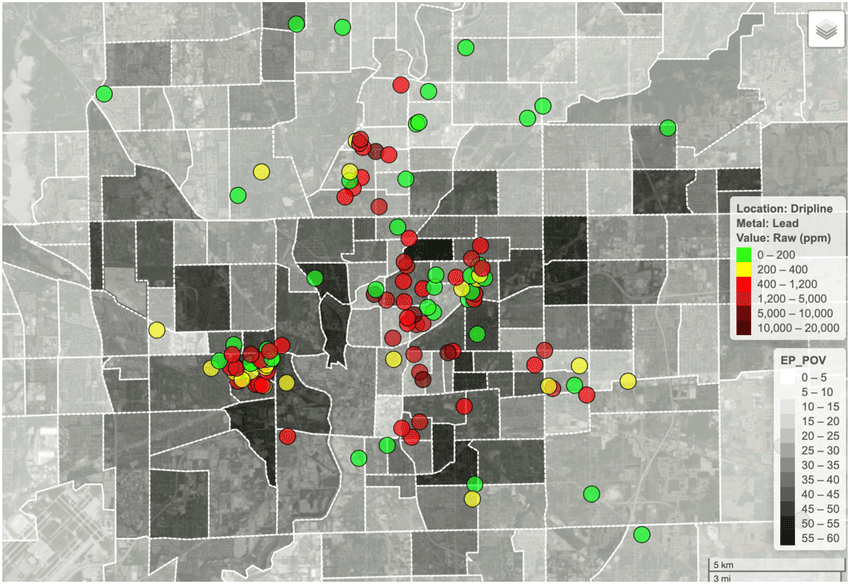
U.S. Environmental Protection Agency (EPA) is awarding $128,637,000 to Indiana to help reduce exposure to lead in drinking water through the identification, planning and replacement of lead service lines.
The funding is being distributed through the Drinking Water State Revolving Fund, a federal financial assistance program that provides support to states for water infrastructure improvements. According to EPA, communities across Indiana will use the investment to locate lead pipes, develop replacement plans and carry out projects that remove lead service lines from water systems that deliver drinking water to homes.
Lead service lines, also known as lead pipes, are a primary source of lead exposure in drinking water systems. The EPA describes lead as a powerful neurotoxin that is especially harmful to children, with exposure linked to serious long-term health risks. The agency said removing these pipes remains a key public health priority.
Federal officials emphasize health impacts of lead exposure
EPA officials framed the investment as part of a broader effort to reduce environmental health risks tied to aging infrastructure and to improve drinking water safety nationwide.
“An investment in removing lead pipes is an investment in America’s children and families,” said Jess Kramer, EPA assistant administrator for the agency’s water office. “The Trump EPA is committed to tackling lead exposure and this $2.9 billion will help protect current and future generations across America by accelerating local efforts to find and replace toxic lead pipes.”
Kramer’s statement highlighted both the scale of federal funding and the intended outcome of accelerating local efforts to address lead service lines more quickly. The EPA emphasized that the funding is intended not only for physical pipe replacement but also for the necessary groundwork that makes replacement projects possible, including identifying where lead service lines exist and developing inventories.
EPA Region 5 Administrator Anne Vogel also underscored the public health and infrastructure goals of the funding.
“Every lead pipe we remove is a victory for public health in Indiana,” Vogel said. “This $128 million through the Drinking Water State Revolving Fund will support the nuts-and-bolts work — building complete service line inventories and replacing lead lines from curb to tap.”
Vogel’s remarks emphasized the technical nature of lead service line replacement programs, which often require detailed mapping of water infrastructure before physical removal work can begin. The phrase “from curb to tap” refers to the full length of service lines that connect municipal water systems to individual homes, which can include publicly and privately owned portions of piping.

How the funding will be used in Indiana communities
The EPA said the funding can be used for several key activities related to reducing lead exposure in drinking water systems. These include identifying lead service lines, developing planning documents for replacement projects and funding the actual removal and replacement of pipes.
Local water systems and municipalities are expected to use the funds to build or update inventories of service lines, a foundational step in determining where lead pipes remain in use. Once identified, communities can prioritize replacement projects based on risk, infrastructure condition and public health needs.
The agency emphasized that this work is part of ongoing efforts to ensure safe drinking water and reduce environmental health hazards tied to aging infrastructure. EPA said the funding is intended to help communities move more quickly from identification to full replacement of lead service lines.
Lead exposure in drinking water can occur when lead pipes or plumbing materials corrode and release lead into the water supply. EPA notes that there is no safe level of lead exposure, and that reducing contact with lead is especially important for protecting children’s health and development.

Part of broader federal drinking water efforts
The Drinking Water State Revolving Fund is a long-standing federal-state partnership program designed to help water systems meet the requirements of the Safe Drinking Water Act. States administer the funds and distribute them to local projects that improve drinking water quality and public health protections.
According to EPA, funding allocations are based on available data regarding the estimated location of approximately four million lead service lines across the United States. The agency said it is working with states to ensure funding is distributed efficiently and used to support efforts to reduce lead exposure through drinking water systems.
EPA also framed the investment as part of broader national initiatives focused on improving water infrastructure and reducing exposure to environmental hazards. The agency said clean and safe drinking water remains a top priority and that lead reduction efforts are a central component of that work.
The announcement also references EPA’s updated public information resources on lead exposure. The agency has published a revised lead information website intended to provide guidance for parents, caregivers, contractors and health professionals on preventing lead exposure. EPA said the goal is to make information more accessible and easier to use for those seeking guidance on lead-related risks.
For more information, visit epa.gov/lead.
This reporting is made possible by a grant from the Indianapolis African-American Quality of Life Initiative, empowering our community with essential health insights. https://iaaqli.org/
Contact Health & Environmental Reporter Hanna Rauworth at 317-762-7854 or follow her on Instagram at @hanna.rauworth.

Hanna Rauworth is the Health & Environmental Reporter for the Indianapolis Recorder Newspaper, where she covers topics at the intersection of public health, environmental issues, and community impact. With a commitment to storytelling that informs and empowers, she strives to highlight the challenges and solutions shaping the well-being of Indianapolis residents.





 is awarding $128,637,000 to Indiana to help reduce exposure to lead in drinking water through the identification, planning and replacement of lead service lines. )