Our community is defined by how we look out for one another when the going gets tough.
As we emerge from another unpredictable winter, many Hoosier families are facing a silent crisis: the skyrocketing cost of keeping the lights on. For too many of our neighbors, the choice between buying groceries and paying a utility bill — which has spiked by an average of 13% over the last year — is a monthly reality.
This struggle is the result of outdated energy policies that have long prioritized monopoly utilities and fossil fuels over the basic needs of Hoosiers. Wind and solar are inexpensive energy sources that can be brought online quickly with no health risks. The current administration in Washington has attacked them at every turn, leaving Indianapolis families holding the bill for dirty, expensive energy.
To change this equation, policymakers must embrace known, proven pathways to lower costs. That takes political courage.
Congressman André Carson joined more than 100 of his colleagues in co-sponsoring the Energy Bills Relief Act, which is a direct response to the cost of living crisis at the meter, targeting systemic bottlenecks that keep energy prices artificially high. By restoring clean energy tax credits and streamlining the process for connecting wind and solar to the grid, the legislation ensures that cheaper, American-made power actually reaches our homes instead of being tied up in red tape.
Furthermore, Carson’s bill protects consumers from market manipulation by mandating a review of gas exports to ensure they’re not driving up domestic prices. It shifts the incentive structure for utilities, encouraging them to save consumers money instead of maximizing corporate profits. By investing in advanced grid technologies and transmission infrastructure, the legislation also minimizes the price spikes caused by high demand and protects our critical infrastructure from climate-driven extreme weather.
Beyond the financial savings, this is a matter of public health. Replacing dirty energy sources with cleaner alternatives will reduce pollution linked to asthma and heart disease — issues that disproportionately affect our frontline urban neighborhoods and communities of color.
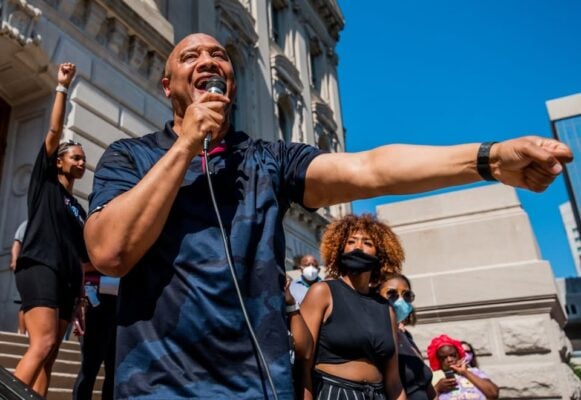
Congressman Carson understands that long-term systemic change must be paired with immediate, personal relief. He’s continued to champion the LIHEAP Staffing Support Act, which ensures the federal safety net is adequately staffed to process assistance applications without the administrative delays that leave families in the dark.
Leadership on energy must be both visionary and grounded. While federal lawmakers fight to lower rates through the Energy Bills Relief Act, the immediate threat of disconnection remains for many now that the winter moratorium period has ended.
The Energy Bills Relief Act is rooted in American values of choice, innovation and competition. By co-sponsoring this act, Congressman Carson is prioritizing Hoosier public health over corporate profit.
Conservation and affordability are two sides of the same coin. A sustainable Indiana requires an energy grid that is reliable and not permitted to bankrupt its citizens. We are hopeful that a broad coalition of leaders will follow Carson’s lead supporting clean energy and affordability solutions so that no Hoosier is left in the dark.
Megan Robertson is executive director of Indiana Conservation Voters, a statewide advocacy organization dedicated to advancing clean air, clean water and clean, reliable energy for all Hoosiers.