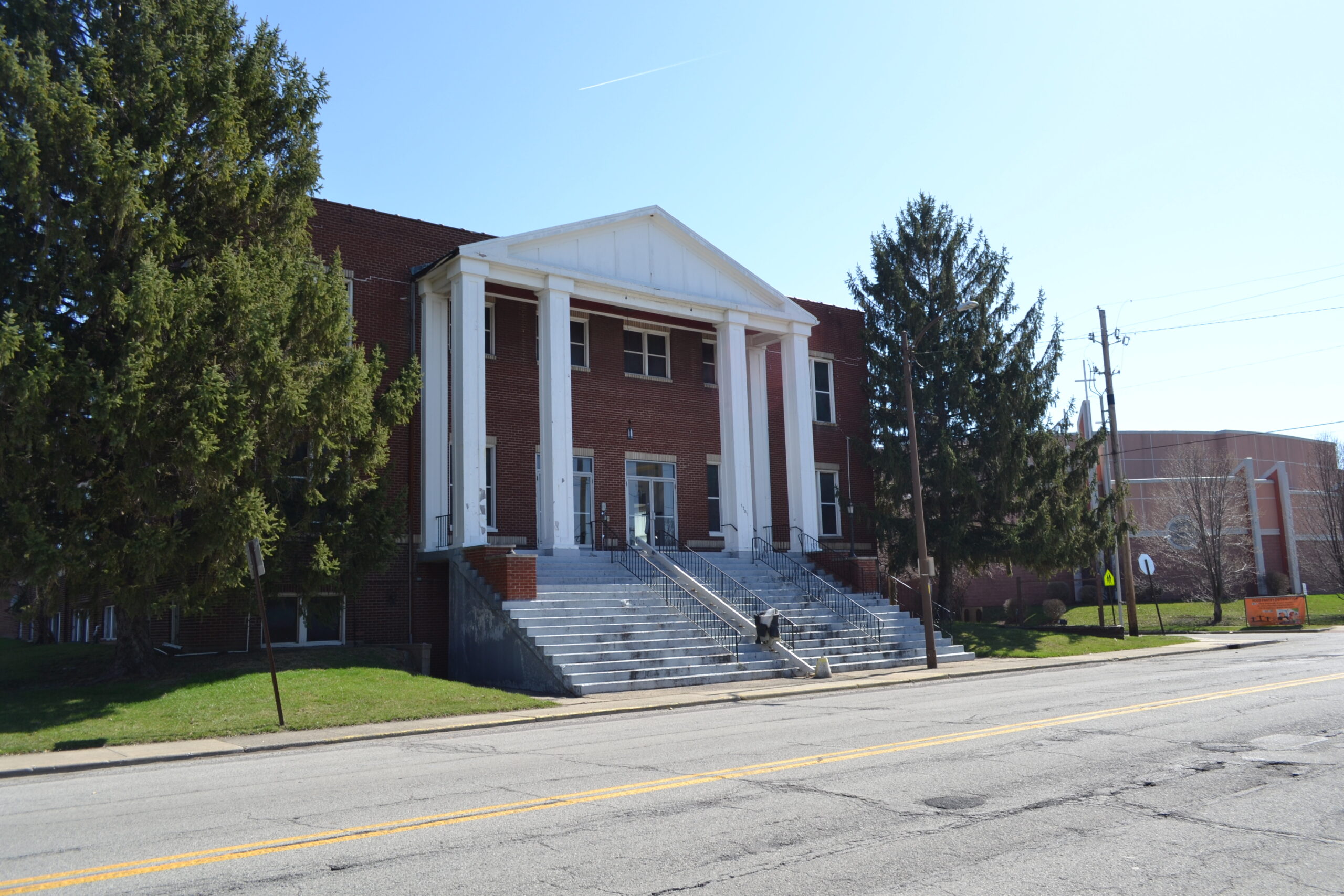
Three Black churches in Indiana were recently added to the National Register of Historic Places.
The National Register of Historic Places is the National Park Service’s official list of the United States’ historic places worthy of preservation. Beulah AME Church & Dunbar School in Washington, Spruce Street AME Church in Terre Haute and St. John’s Missionary Baptist Church in Indianapolis were recently added to this list earlier this month.
“These nominations are part of our effort to identify, document and preserve sites important to Black heritage in our state,” Eunice Trotter, director of the Black Heritage Preservation Program, said in a statement. “When a site is listed in the National Register, it’s a milestone for preserving and sharing the history and heritage of Black communities for future generations.”
The National Park Service National Register of Historic Places was authorized by the National Historic Preservation Act of 1966. The register is part of a national program that coordinates and supports public and private efforts to identify, evaluate and protect America’s historic and archeological resources, according to the National Park Service’s website.
Nominations are submitted by those who believe a place is worthy of preservation due to its significance to American history, architecture, archaeology, engineering or culture. Beulah AME Church and Dunbar School, Spruce Street AME and St. John’s Missionary Baptist Church were nominated for their significance to Black history in Indiana.
READ MORE: Indianapolis Propylaeum names 2026 winners and finalists of ‘The May’
Using grant money from Indiana Landmark’s Black Heritage Preservation Program, the churches hired a consultant to compile and submit the complex nominations, according to a press release.
Being listed in the National Register comes with official federal recognition; however, owners of income-producing National Register properties and nonprofit owners may also be eligible to apply for preservation grants or historic tax credits.
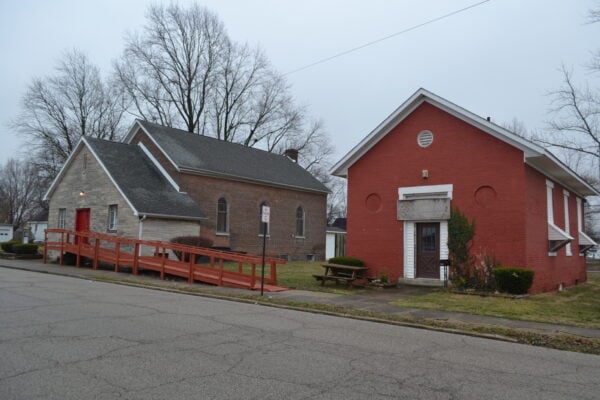
Located at 805 W. Walnut St., Washington, Indiana, The Beulah AME Church and Dunbar School were culturally significant sites for the Black community in the 19th century, according to a press release. The church was built in 1883 in a neighborhood sometimes referred to as Boxtown. The school was later built in 1890 on land donated by one of the Black community’s leading families.
“These two buildings are rare representations of Black heritage in Daviess County, along with the nearby Hawkins Cemetery,” the press release states. Although the school closed in 1950, the congregation has repurposed it for other uses.
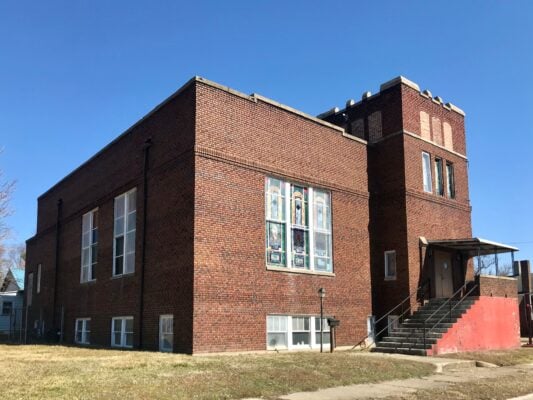
The Spruce Street AME Church, located at 1660 Spruce St., Terre Haute, remains a “tangible link” to the city’s Black community since the early 20th century. James A. Mitcham designed and built the church and parsonage in 1927 in the Tudor Revival style, which features several historic stained-glass windows. The church still serves as a place of worship today.
St. John’s missionary Baptist Church, 1651 Dr. Andrew J. Brown Ave., holds a significant place in Indianapolis’ Black history, social and civic affairs since its inception as a small group meeting in homes in 1916. Congregants eventually erected a tent for services on the northeast corner of 17th Street and what used to be Martindale Avenue — property owned by Freewill Baptist Church that the new congregation purchased for use until its new building was completed in 1926.
Andrew J. Brown pastored the church in 1947. In addition to his fiery preaching, Brown was a prominent Civil Rights leader in the city and state, and St. John’s became a center of activity for the Civil Rights movement, even hosting Martin Luther King Jr. during his visits to Indianapolis, according to a press release. Brown served the church for 43 years and was honored by the city in 1986 with the renaming of Martindale Avenue to Dr. Andrew J. Brown Avenue.
For more information about Indiana Landmarks’ Black Heritage Preservation Program, visit indianalandmarks.org/our-work/black-heritage-preservation-program.
Contact Arts & Culture Reporter Chloe McGowan at 317-762-7848. Follow her on X @chloe_mcgowanxx.

Chloe McGowan is the Arts & Culture Reporter for the Indianapolis Recorder Newspaper. Originally from Columbus, OH, Chloe has a bachelor's in journalism from The Ohio State University. She is a former IndyStar Pulliam Fellow, and has previously worked for Indy Maven, The Lantern, and CityScene Media Group. In her free time, Chloe enjoys live theatre, reading, baking and keeping her plants alive.