It’s easy to see how far we’ve come.
You can see it driving through affluent neighborhoods. Sitting in good seats at the game. Watching who boards early on a flight to somewhere warm. We show up put together. We show up prepared. From the outside, it looks like progress — and in many ways, it is.
We are moving up the economic ladder. That part is real.
But movement comes at a cost, and most of us didn’t negotiate that cost. We accepted it early because it felt like the only option.
We learned how pay works. We learned what overtime meant. We learned how to make ourselves valuable. And once we did, we leaned in. Extra shifts. Missed holidays. Long weeks that quietly turned into long years. Sacrifice stopped feeling temporary and started to feel normal.
For people who started life with very little, sacrifice doesn’t feel dramatic. It feels necessary.
Many of us are first-generation everything — first to finish college, first to earn at this level, first to walk into rooms our parents never entered. We understood, sometimes without anyone explaining it to us, that our income could change the direction of an entire family, not just one life.
So, we worked. We produced. We carried the weight.
Now we are the ones people call when something goes wrong. The helpers. The examples. The safety net. We carry that responsibility with pride, even when it’s heavy. Even when it stretches longer than we expected.
I hear the same question come up quietly in different places — in conversations after events, in text messages sent between meetings, in the pause before someone says, “I should feel better than this.”
“I’ve done what I was supposed to do … so why doesn’t this feel secure…”
There is a difference between looking successful and feeling stable. Achievement doesn’t automatically bring peace. Income doesn’t guarantee certainty. And for those of us who understand how quickly things can change, that awareness never really turns off.
At some point, the focus shifts. We start thinking about how to land the plane — how to make sure years of effort don’t evaporate and how to keep the next generation from starting at the same line we did.
So, we do what responsible people do. We sign paperwork. We open accounts. We follow general advice. We assume that doing the “right things” will eventually quiet the unease.
Sometimes it does. Often, it doesn’t.
Because the anxiety isn’t just about money. It’s about control, clarity and continuity. It’s the slow realization that no employer, institution or system will ever care about your long-term stability the way you do.
That realization can be unsettling. It can also be grounding.
Peace doesn’t come from achievement alone. It comes from understanding what you’ve built, how it actually functions and what it needs to last. Stability isn’t the finish line you cross; it’s something you actively hold.
For many of us, earnings were the first chapter. Stewardship is the next. Not louder. Not flashier. Just more intentional.
Naming that shift matters.
Feeling uneasy doesn’t mean you are ungrateful. It doesn’t mean you are failing. It doesn’t mean you missed something.
It means your questions are changing. And that is often how a new season announces itself.

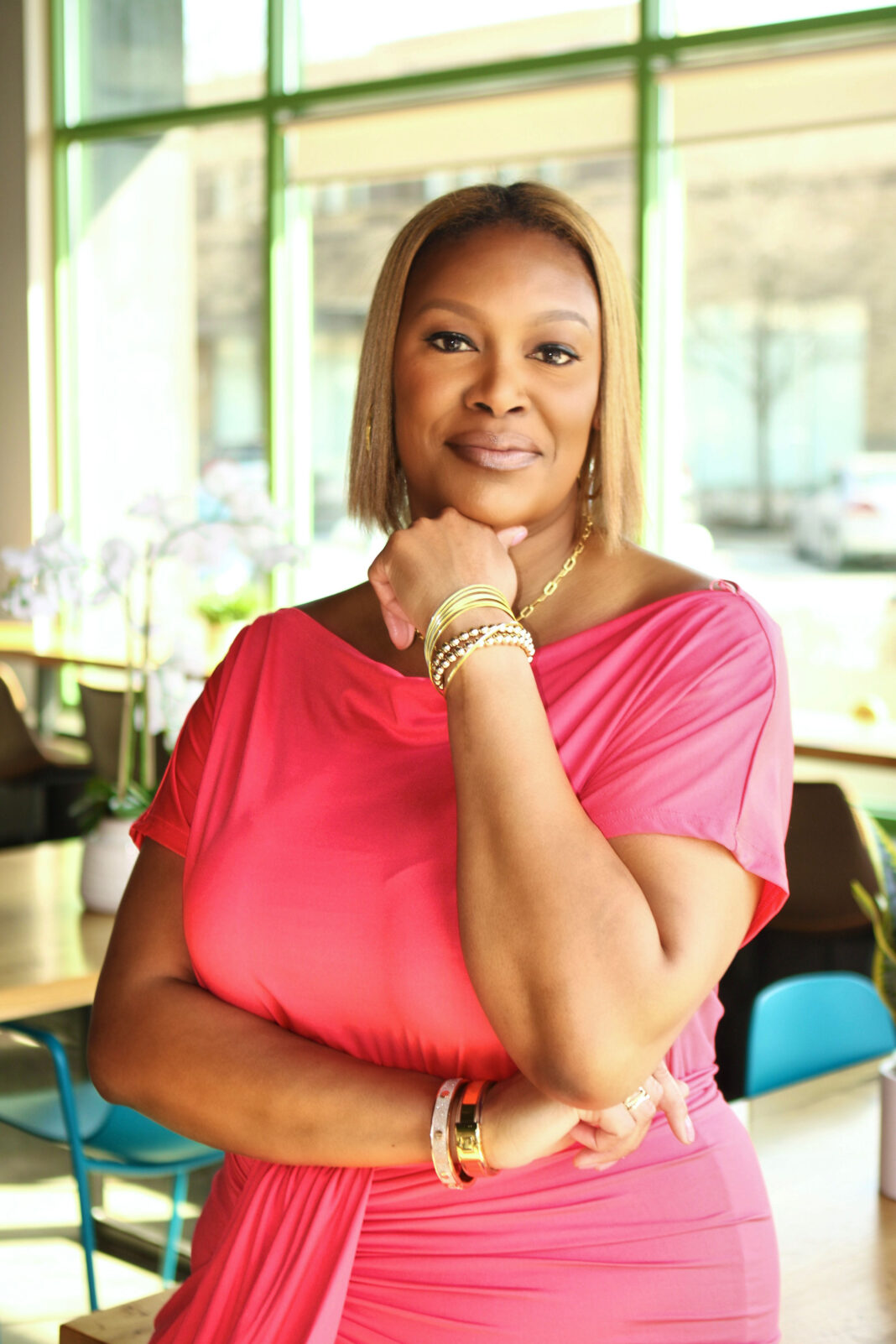
Darice Rene (hello@daricerene.com) is a business strategist, real estate investor and commercial real estate broker based in Indianapolis. Her work focuses on ownership, long-term stability and legacy-building.