There’s a particular kind of pressure that comes with being the first.
The first to graduate from college.
The first to buy a home.
The first to start a business that actually works.
If you didn’t grow up seeing wealth modeled, that pressure can feel disorienting. No one handed you a blueprint. No one sat you at the kitchen table and explained how ownership works. You’re building while learning. Earning while unlearning.
I know that tension well.
As a little girl, I moved between two very different households. During the week, I lived with my mother in a neighborhood where every dollar already had an assignment before it arrived. I watched her stretch food stamps and decide what could be paid now and what would have to wait.
On the weekends and in the summers, I was with my father — in a middle-class household where the conversations sounded different. Vacations. Activities. Planning ahead.
I saw two economies operating at the same time. Two ways of living. Two sets of choices.
Somewhere in the middle of that contrast, I learned something simple: money meant options. Ownership meant stability. Stability meant dignity.
So, when people talk about the emotional weight of being the first to build wealth in their family, I understand it — but I don’t see it as a burden.
I see it as an honor.

We come from a people who were denied ownership by law. Denied access by policy. Redlined out of neighborhoods. Locked out of capital. I carry that awareness with me whenever I sign a contract or walk into a closing.
The fact that many of us are now in position to buy property, build companies and think intentionally about legacy is not small.
It is history unfolding in real time.
Being the first is not random. It requires vision. It requires courage. And it requires everyday decisions that may not look dramatic but matter deeply over time.
Legacy is not a trust fund handed down.
It is a series of choices.
Choosing to own instead of rent when you can.
Choosing to position your business for long-term control instead of short-term convenience.
Choosing to acquire assets that appreciate instead of expenses that disappear.
Ownership shifts how you see yourself.
It changes how you move. It changes what your children witness. It changes what feels possible.
I didn’t grow up with step-by-step financial instruction laid out in front of me. I learned in layers. When I stepped into corporate leadership, I had to understand how money moved at that level. When I built companies, I had to understand what sustained them. When I entered commercial real estate, I learned what control over space truly means.
Each season required growth.
The common thread was intentionality.
We cannot wait until we “arrive” to value ownership. By then, too many decisions have already been made without clarity.
And here is the part we don’t always say out loud: being the first can feel lonely.
When you are stepping into ownership that no one in your immediate circle has experienced, there is a quiet distance that forms. Not because you love them less. Not because you think you’re better. But because you are navigating unfamiliar terrain.
That loneliness is not a sign to shrink.
It is often a sign you are stretching.
During Black History Month, we celebrate the giants — the leaders whose names fill textbooks and whose courage opened doors in cities like ours. But most legacy is not built on podiums. It is built at kitchen tables. In late-night conversations. In mortgage applications filled out after work. In businesses started with more faith than certainty.
It is built quietly.
As I write this, I’m sitting in my dining room looking at a gallery wall filled with family photos — graduations, birthdays, first days of school, tournaments and milestones. Generations captured in frames.
When I look at those faces, I don’t think about net worth statements.
I think about options. Stability. Ownership.
I think about what we are building in real time.
Legacy isn’t something I inherited.
It’s something I’m constructing — decision by decision — so the next generation won’t have to start from scratch.
And that, to me, is an honor.
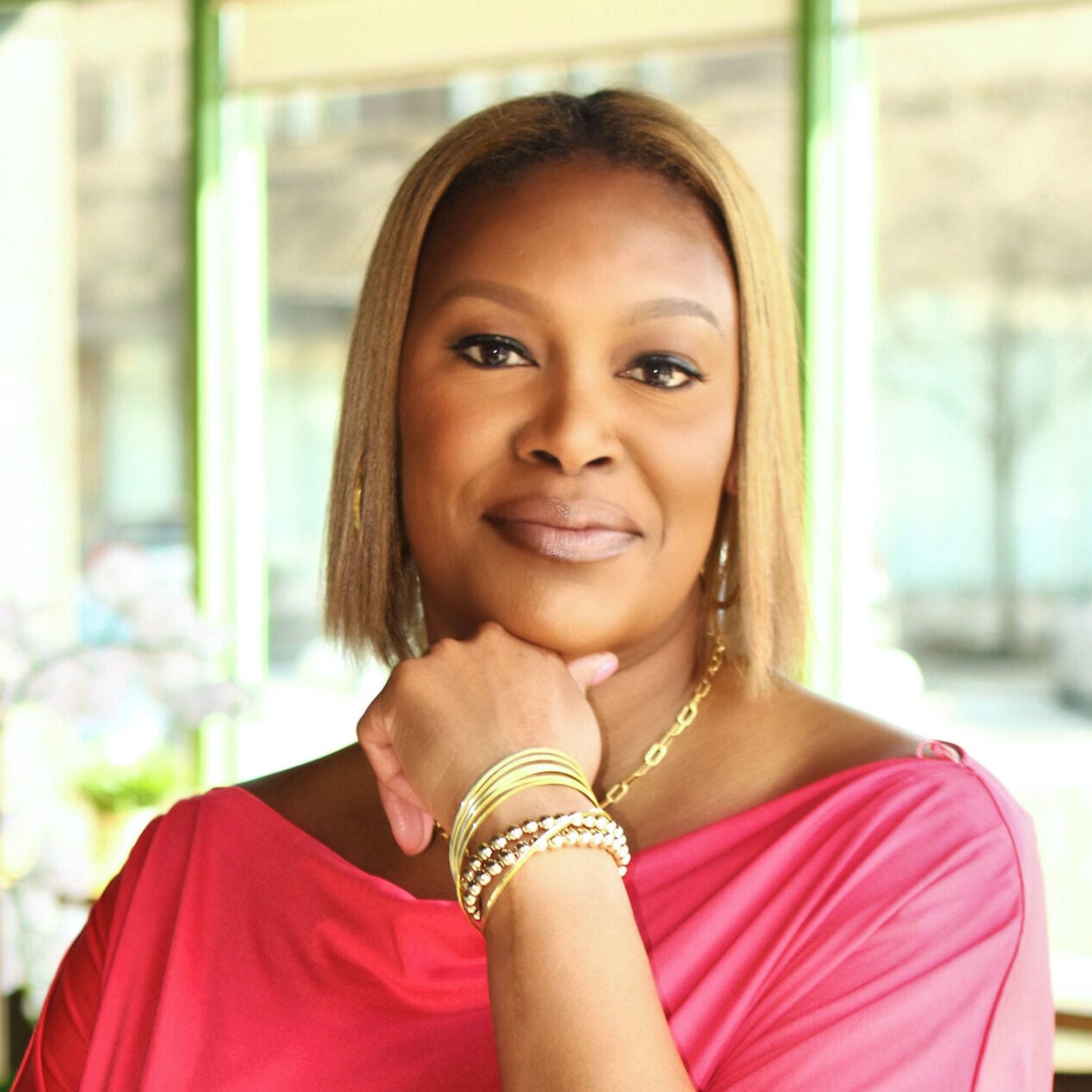
Darice Rene is a business strategist, real estate investor and commercial real estate broker based in Indianapolis. She focuses on ownership and long-term wealth-building strategies that support legacy and stability at meet.daricerene.com

Darice Rene (hello@daricerene.com) is a business strategist, real estate investor and commercial real estate broker based in Indianapolis. Her work focuses on ownership, long-term stability and legacy-building.