
When parents describe a good school, they rarely mention governance or funding formulas. We talk about a teacher, a coach, an experience that illustrated how our child was seen or heard. At least that’s what my husband and I focus on. It might be the teacher who called home with good news about our kids or the one who kept pushing our son who stopped pushing himself.
That teacher is what this November’s school referendum is about.
I know this is a hard time to ask families for anything. Rent and groceries are up, and many households in our neighborhoods are already stretched. Many of us are also tired of watching the adults fight: IPS vs charters, local leaders vs the Statehouse, and now a new Indianapolis Public Education Corporation that plenty of families are still trying to understand. Our children have been caught in the middle of it all, and they pay dearly when those fights drag on.
The 2018 school referendum expires at the end of this year. IPS has already made significant budget cuts and even deeper cuts are contemplated if this referendum does not pass. At a time in which schools across the state are making tough fiscal decisions, they are also working hard to raise literacy rates and close achievement gaps while competing for teachers considering higher pay in suburban districts.
We know whose children feel cuts first: Black and Brown students, students with disabilities, English-language learners, and children whose families can’t afford to fill the gaps. When a bus route is eliminated, a reading specialist isn’t replaced, or a favorite teacher leaves for a better-paying district, those students lose ground that is sometimes impossible to make up.
The IPEC referendum would raise up to $95 million a year for four years to keep teachers in classrooms. It would support every student who lives within IPS boundaries, whether their family chose a traditional public school or a public charter school. Our children belong to all of us, whichever school they attend.

Money alone won’t fix our schools, and our community has heard promises before. Too often a system has looked better on paper while our children’s results stayed the same.
So, my support comes with an expectation. As IPEC builds a shared way to measure how schools are doing, it should report clearly on whether Black students, students with disabilities, and English learners are growing academically. Overall averages that hide them are not enough.
It should also look past test scores to what happens after graduation. Are our young people enrolling in college and finishing? Are they earning credentials that lead to careers with high wages, enough to buy a home and raise a family without the struggle earlier generations faced? An education should move a young person out of poverty and into opportunity. For too many of our young people, it hasn’t yet. I’ll be writing more about that in the months ahead.
Next year, this city will elect a mayor. Every candidate who visits our houses of worship, community centers, festivals and front porches should be asked what they will do to make that promise a reality for our children regardless of what school type they choose, race, or income level.
That work starts with keeping great teachers in front of our kids. Without them every student loses and ours lose the most.
Vote yes this November. Then stay involved, so that this time the results reach our children.
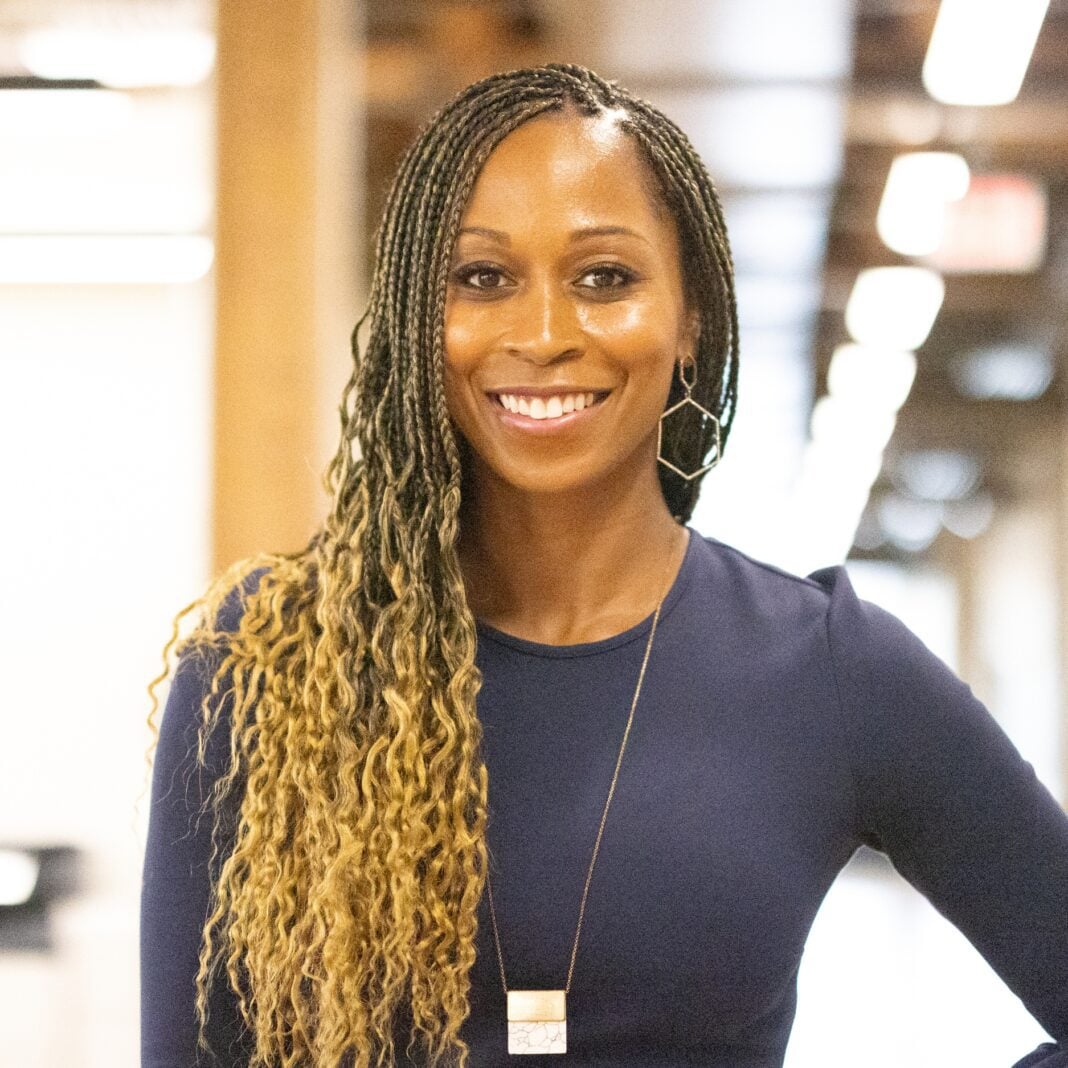
Jasmin Shaheed-Young is the founder and CEO of RISE INDY.
RISE INDY, a partner of the 501(c)(3) nonprofit organization RISE UNITED, is committed to empowering families and communities to drive equitable change in education across Indianapolis. RISE INDY fights for education justice and opportunities for Indianapolis students by training courageous community leaders, holding them accountable for their policy decisions, and organizing the community to improve public schools.