

Matthew 28:5-6 “5 But the angel said to the women, “Do not be afraid, for I know that you seek Jesus who was crucified. 6 He is not here, for he has risen…”
We live in a time when many people are carrying more than ordinary pain. We are carrying agony.
Pain is what happens around us. Agony is what happens within us. Pain may touch the body or the circumstances of life, but agony settles into the soul. It is the deep internal struggle that comes when life no longer makes sense, when prayers seem unanswered, when betrayal cuts deep, and when the weight of living feels heavier than we know how to bear.
In Luke 22:44, Jesus, in the Garden of Gethsemane, was “in agony” as He prayed. The word points to a deep spiritual and emotional struggle, a wrestling of the heart under unbearable pressure. That means our Savior is not unfamiliar with what it feels like to be overwhelmed. Jesus understands agony not from a distance, but from experience.
If we are honest, many of us know this struggle personally. Agony asks hard questions: “God, where are You?” “Why is this happening to me?” “How much longer must I endure this?” Agony intensifies when we have prayed and nothing changed, trusted and still got hurt, given our best and still watched life unravel. In those moments, faith can feel fragile and hope can seem buried.
That is why the message of the resurrection is so powerful.
By the time we arrive at Matthew 28:5-6, Jesus has been betrayed, denied, beaten, crucified, and buried. To His followers, it looked like hope had died, the promise had failed, and heaven had gone silent. Yet early on that first morning, the women came to the tomb and were met by an angel with words that still speak to every wounded heart: “Do not be afraid… He is not here, for He has risen.”
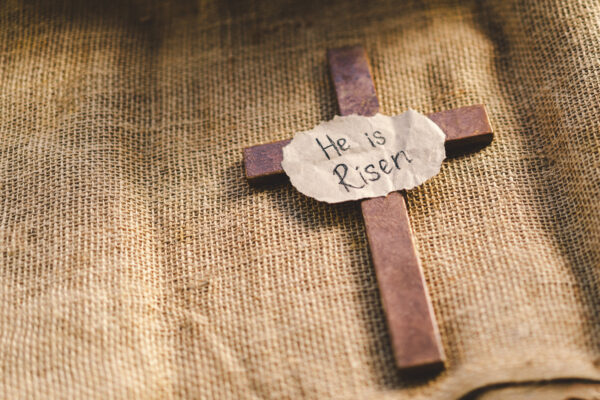
Those words are God’s answer for our agony.
First, the angel says, “Do not be afraid.” Fear is often agony’s first companion. Fear tells us it is over, nothing will ever change, and this dark chapter is the final word. But before the miracle is explained, heaven addresses fear. God knows that agony can distort our vision, so God speaks peace before God reveals victory.
Second, the angel says, “He is not here.” The tomb, a symbol of defeat and finality, became evidence that God was still at work. What appeared to be the end was only a transition. The place of death became the place of divine departure. That is good news for anyone standing in what feels like a dead place.
Finally, the angel declares, “He has risen.” This is the heart of the Gospel and the hope of every believer. The cross shows us suffering. The tomb shows us silence. But the resurrection shows us victory.
Because Jesus got up, sin does not have the last word, suffering is real but not final, and even death has lost its ultimate sting.
The resurrection reminds us that God can bring life out of what looked dead, hope out of despair, and victory out of agony. In a world filled with grief, uncertainty, and soul-deep struggle, the answer is not found in temporary fixes or human strength alone.
The answer for our agony is Jesus — the crucified, buried, and risen Savior. And because He lives, we can live with hope.
Dr. Preston T. Adams, III is the Resident Bishop, Founding and Senior Pastor of Amazing Grace Christian Church in Indianapolis. Follow him on X (formerly Twitter) @DrPrestonTAdams.