
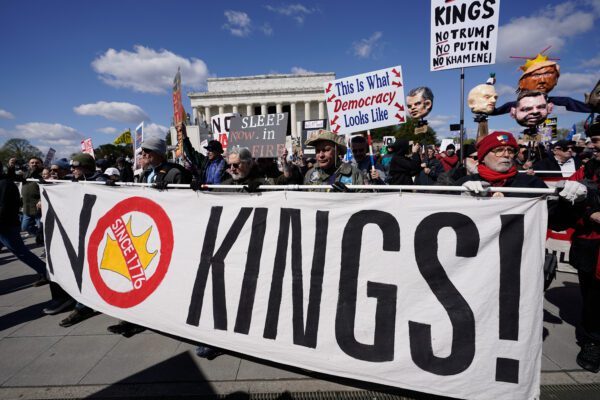
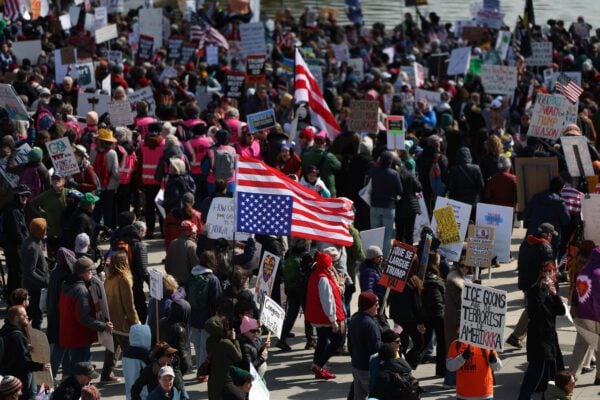
On Saturday, March 28, I spent part of my day downtown Indy at the #NoKingsRally, standing shoulder to shoulder with neighbors, organizers, elders, and young people who all showed up because we care deeply about what’s happening in our communities and across our country. There was a shared understanding in the air that this moment matters, that our voices matter, and that we are living in a time that calls for courage and participation.
And I will say this plainly. It felt good to be there.
There is something powerful about being in community with people who believe in justice, dignity, and collective action. You can feel the energy move through the crowd. You can see it in the signs, hear it in the chants, and recognize it in the quiet conversations happening on the edges. For a moment, everything feels aligned. It feels possible.
But as I walked away from the rally, I found myself sitting with a harder question. What happens next?
“If we are honest with ourselves, we know that not everyone who shows up in the streets will show up at the polls.”
Because while rallies can inspire and energize, they are only the beginning. They are not the full strategy. If we are honest with ourselves, we know that not everyone who shows up in the streets will show up at the polls. That gap between presence and participation is where many movements lose momentum.
It is easy to assume that people do not vote because they do not care. That assumption is not only inaccurate, it is harmful. In my experience, people care deeply. What they often lack is connection, clarity, and trust.
Some feel disconnected from a political system that has not consistently delivered for them. Others do not see candidates who reflect their lived experiences or speak directly to the realities they are navigating every day. There are also those who feel unsure about the voting process itself, who have not been given clear or accessible information, or who have had negative experiences that make reengagement difficult.
And then there is fatigue. The kind of fatigue that comes from balancing work, family, and survival in systems that require so much while giving so little in return. Civic participation, in that context, can feel like one more demand rather than an opportunity.
We also have to acknowledge that many people do not see how local decisions connect to their daily lives. When that connection is unclear, voting can feel distant or even irrelevant. Yet it is often at the local level where decisions most directly shape housing, public safety, transportation, education, and access to care.
This is why the work beyond the rally matters so much.
Moments like #NoKings create visibility and energy. They remind us that we are not alone. They can spark interest and even reengage people who have felt disconnected. But without intentional follow up, that energy fades. A spark without structure rarely sustains itself.
” A spark without structure rarely sustains itself.”
So the real work is not just in gathering people. It is in staying connected to them.
That work requires us to invest in relationships. Not transactional interactions, but real relationships rooted in trust and consistency. It looks like conversations in neighborhoods, in faith spaces, at community centers, and in the everyday places where people already gather. It requires listening with intention and humility, not simply to respond, but to understand.
From that place of understanding, we can begin to connect the issues people care about to the decisions being made at the local level. When someone sees how a policy decision impacts their rent, their job opportunities, their health, or their safety, engagement becomes more tangible. It becomes personal.
We also have a responsibility to make civic participation more accessible. That includes breaking down the voting process in clear and practical ways, sharing information consistently, and creating opportunities for people to ask questions without judgment. Engagement should not require insider knowledge.
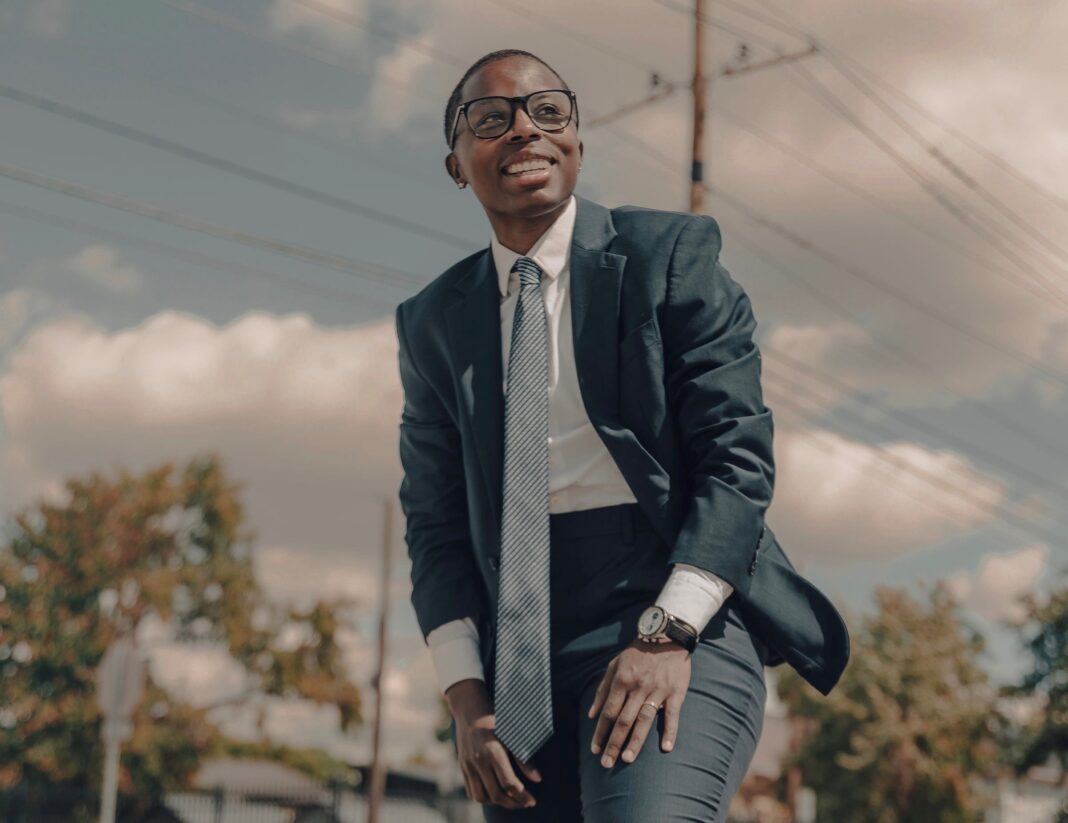
At the same time, we must be honest about leadership. People are far more likely to participate when they feel represented and respected. When they believe that those seeking office understand their realities and are committed to showing up with integrity, it changes how they engage. Representation is not simply symbolic. It is a pathway to participation.
The work ahead of us is not always visible. It will not always come with large crowds or public recognition. It is slower and more relational. It requires patience and persistence. But it is also the work that builds the kind of trust that sustains movements over time.
The rally gave me hope. It reminded me that people are paying attention and that they are willing to show up.
But hope, on its own, is not a strategy.
What will ultimately shape our communities is what we do after the crowd disperses. It is the follow up conversations, the doors knocked, the meetings held, and the relationships built. It is the commitment to stay engaged even when it is not convenient or visible.
For me, this moment is an invitation to go deeper. To be more present in our neighborhoods. To listen more closely. To build alongside residents, neighborhood associations, faith communities, and local leaders who are already doing the work every day.
“…real change does not happen in a single moment of gathering.”
Because real change does not happen in a single moment of gathering. It happens when people remain connected, organized, and committed over time.
And that is the work I am committed to, building beyond the moment and strengthening the kind of local engagement that turns collective energy into lasting change.
Before we get there, there is a simple but important step we can all take right now. Make sure you are registered to vote in this year’s primary by April 6th. Early voting begins April 7th. You can check your registration or get started here.
Let’s carry this energy forward, not just in what we say, but in what we do.
Belinda Drake is a community leader in Center Township.