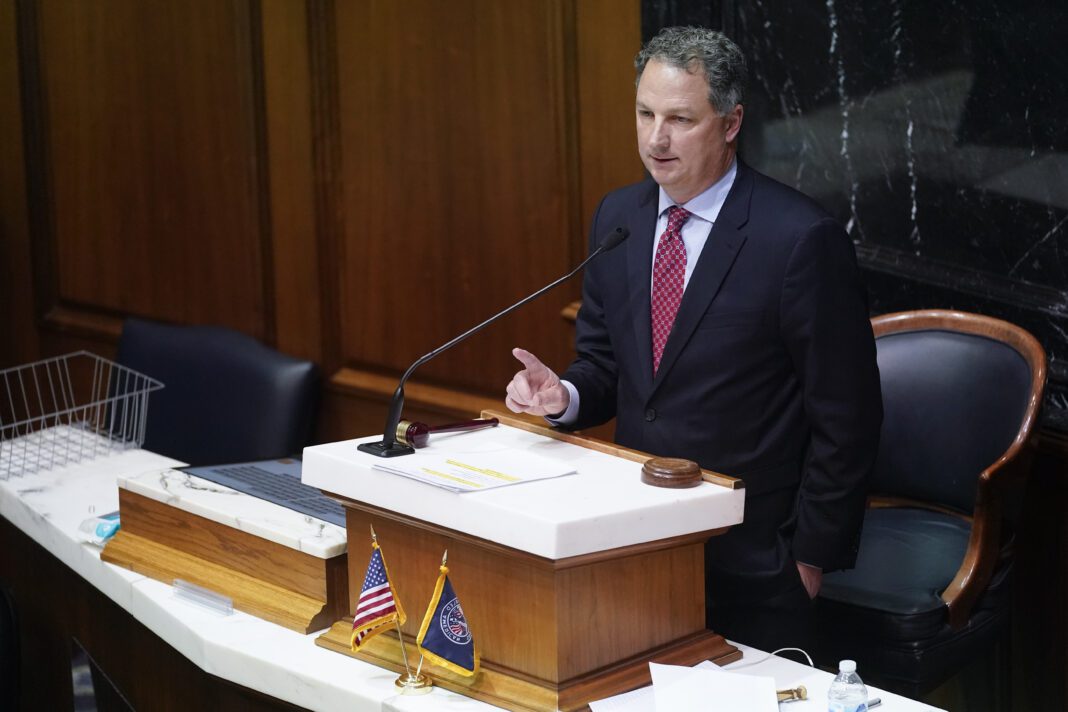
Indiana House Republicans released their proposed congressional map on Dec. 1 as a part of House Bill 1032 (HB 1032). The bill passed the first vote in the House on Dec. 2, largely along party lines.
The redistricting efforts stem from a national push by the Trump administration to secure additional seats for Republican representation in the U.S. House of Representatives in 2026.
House Democratic Leader Phil GiaQuinta (D-Fort Wayne) said the new maps, “wind and twist, breaking up communities and putting them in the same district as counties over 100 miles away.”
There are two districts in Indiana currently represented by a Democratic Senator – the 1st and 7th districts.
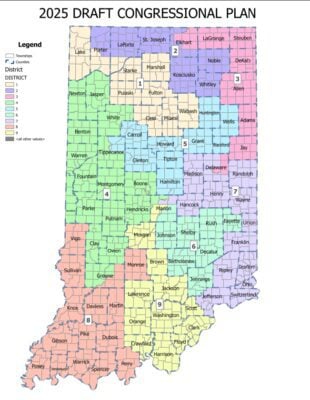
Frank Mrvan represents the 1st district in Northwest Indiana, which includes Lake County. Proposed changes in the Northwest district would split off a portion of Porter County and add other counties such as Wabash, Pulaski and Fulton to the 1st district.
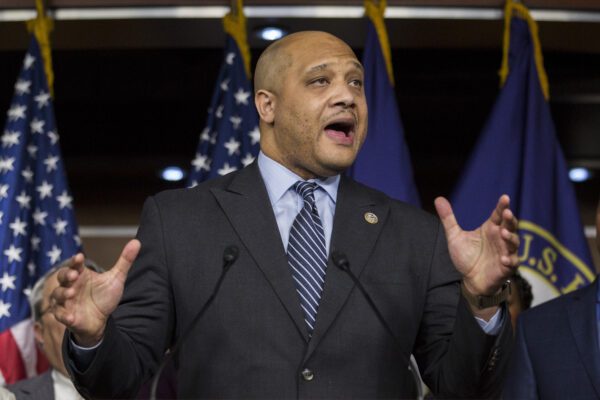
Andre Carson represents the 7th district in Central Indiana, which includes Marion County. In the proposed map, Marion County would be split into four districts.
“Splicing our state’s largest city — and its biggest economic driver — into four parts is ridiculous,” Carson said in a statement. “It’s clear these orders are coming from Washington, and they clearly don’t know the first thing about our community. Hoosiers have made their voices heard and won’t stand for it.”
Andre Carson won the congressional seat in 2008 following the passing of his grandmother Julia Carson, who served six terms in Congress. Julia Carson was the first African American and the first woman elected to Congress from Indianapolis. Andre Carson is the first Muslim to serve on the House Intelligence Committee.
Currently, Marion County is one of the most diverse districts in the state. With the new map, the 7th district would be combined with rural counties, which many say would diminish the urban vote.
“The African American Coalition of Indianapolis (AACI) is concerned by the Indiana House Republicans releasing proposed redistricting maps that would divide Marion County into four districts and dilute the voices of Indianapolis residents,” said AACI Chair Willis Bright. “If enacted, these maps would likely eliminate meaningful electoral competition across the state and silence communities that deserve fair representation.”
The Greater Indianapolis NAACP opposed redistricting, stating, “Such actions risk weakening the voice of Black voters and undermining fair representation across our communities.”
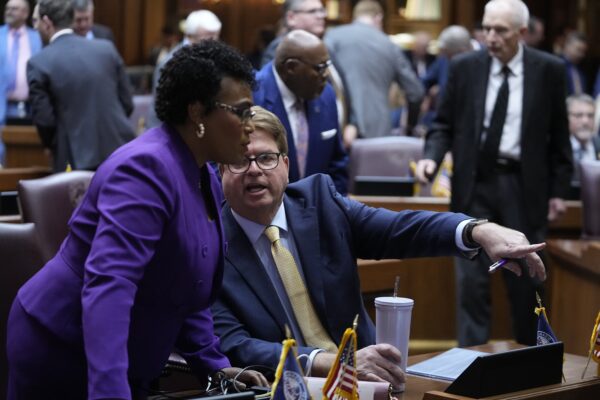
Rep. Cherrish Pryor (D-Indianapolis) said the proposed map is “worse” than she imagined. Part of her district has been “lumped in with Newton and Jasper counties in Northwest Indiana,” which she said is an attempt to suppress minority voters.
“Make no mistake: this map seeks to silence Black voices,” Pryor said in a statement. “Marion County, the most diverse area of the state, has been split up so that we have no representation. The last I checked, we are still expected to pay taxes. This nation fought a war to end taxation without representation only to turn around 250 years later and oppress their own citizens in the same way.”
Indiana Black Legislative Caucus Chair Rep. Earl Harris, Jr. said they have been speaking out against the new map for months.
“If passed, these new maps will weaken our democracy and silence the voices of countless Hoosiers,” Harris said.
Pryor added that the proposed map would not just harm minority voters.
“While minority communities have been deliberately targeted, all Hoosiers will suffer from this gerrymandered mess,” Pryor said.
Political pressure, threats and intimidation
Previous reports from Indiana Republicans indicated that there were not enough votes to move forward with redistricting, but increasing political pressure has prompted the vote to proceed.
Multiple Indiana Republican lawmakers reported bomb threats and swatting incidents at their respective homes. Swatting refers to a prank call claiming an emergency at someone’s home, resulting in a response from local law enforcement.
The Indiana State Police (ISP) released a statement on Nov. 20 acknowledging that recent swatting activity targeted “members of the Indiana General Assembly.” ISP warned that swatting is “potentially dangerous” and against the law, stating they would seek criminal prosecution against the people involved.
Sen. Ron Alting (R-Lafayette) released a statement on Dec. 2 reporting that the Tippecanoe County Sheriff was alerted to two pipe bombs located at his former residence.
“Although the investigation is ongoing, this was a false threat intended to cause fear and disrupt the lives of innocent people,” Alting said in a statement. “Regardless of the motive, it is dangerous and irresponsible, and it puts families and first responders at risk.”
Alting added that while Hoosiers may “disagree strongly” on public policy, they should not allow threats, hoaxes or “fear-based intimidation” to become part of public life. He continues to cooperate with law enforcement regarding the bomb threat.
Sen. Mike Bohacek (R-Michiana Shores) released a statement addressing a bomb threat to his home on Nov. 28.
“This recent pattern of threatening behavior and intimidation attempts are not only concerning, but also illegal. I hope to see justice for this type of behavior,” Bohacek said.
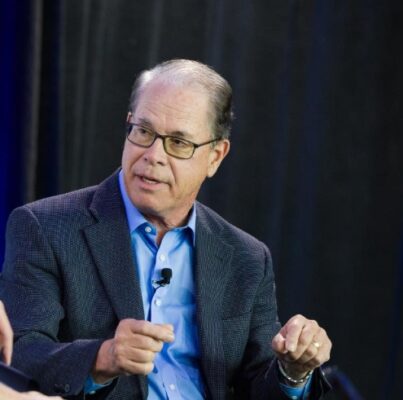
Following last month’s decision by Republican lawmakers not to move forward with redistricting, President Donald Trump took to his social media platform, Truth Social, sharing his disappointment in Gov. Mike Braun for not delivering the “9-0” map that was expected. Trump added that his endorsement helped elect Braun, but he would be willing to back another candidate.
Despite the lack of support in the House at the time, Braun continued to push forward with the redistricting efforts in mid-November, stating that he was glad to see House Speaker Todd Huston and House Republicans “endorse the need for fair maps.”
“I will support President Trump’s efforts to recruit, endorse, and finance primary challengers for Indiana’s senators who refuse to support fair maps,” Braun said.
What’s next
Community advocates and legislators continue to encourage Hoosiers to contact their legislators and share their concerns. The Senate will meet on Dec. 8 to vote on the proposed map.
Harris said a new map is not a priority for most Hoosiers who are focused on their everyday needs.
“This new map proposal is nothing more than a political game meant to appease the fringes of their base,” Harris said. “Hoosiers don’t want new maps. They want help making ends meet.”
The AACI compelled Indiana residents to reach out to lawmakers.
“We urge Hoosiers to remain engaged, review the proposed maps, and contact their legislators to make it clear that this is not what the people of Indiana asked for,” Bright said. “Fair representation and accountability must remain central to our democracy.”
Pryor reiterated that Hoosiers will be “worse off” if the new map is accepted.
“There is still time to share your thoughts on the actual proposed map with your state representative and state senator, and I urge Hoosiers to make their voices heard,” Pryor said.
Hoosiers can find their state representative and state senator by visiting the Indiana General Assembly’s website and using the Find Your Legislator tool. You can also call the Indiana House of Representatives at 317-292-9600 or the Senate at 317-232-9400.

Camike Jones is the Editor-in-Chief of the Indianapolis Recorder. Born and raised in Indianapolis, Jones has a lifelong commitment to advocacy and telling stories that represent the community.