Indiana Landmarks hosted its fourth annual Juneteenth celebration on June 19 in Indianapolis’ Old Northside neighborhood, highlighting the life and legacy of Marcus Garvey through a film screening, panel discussion and community event.
The event, organized by Eunice Trotter through Indiana Landmarks’ Black Heritage Preservation Program, focused on Garvey’s contributions as a Jamaican activist, publisher and leader who advocated for Black empowerment, unity and self-determination. The program brought together historians, community members and cultural leaders to reflect on Garvey’s influence and the importance of preserving Black history.
The evening began with the film “Mosiah” that explored Garvey’s life, his activism and the movement he helped create and lead during the early 20th century. This film highlighted Garvey’s role as the founder of the Universal Negro Improvement Association (UNIA) and his efforts to encourage economic independence, cultural pride and community among the Black diasporas.
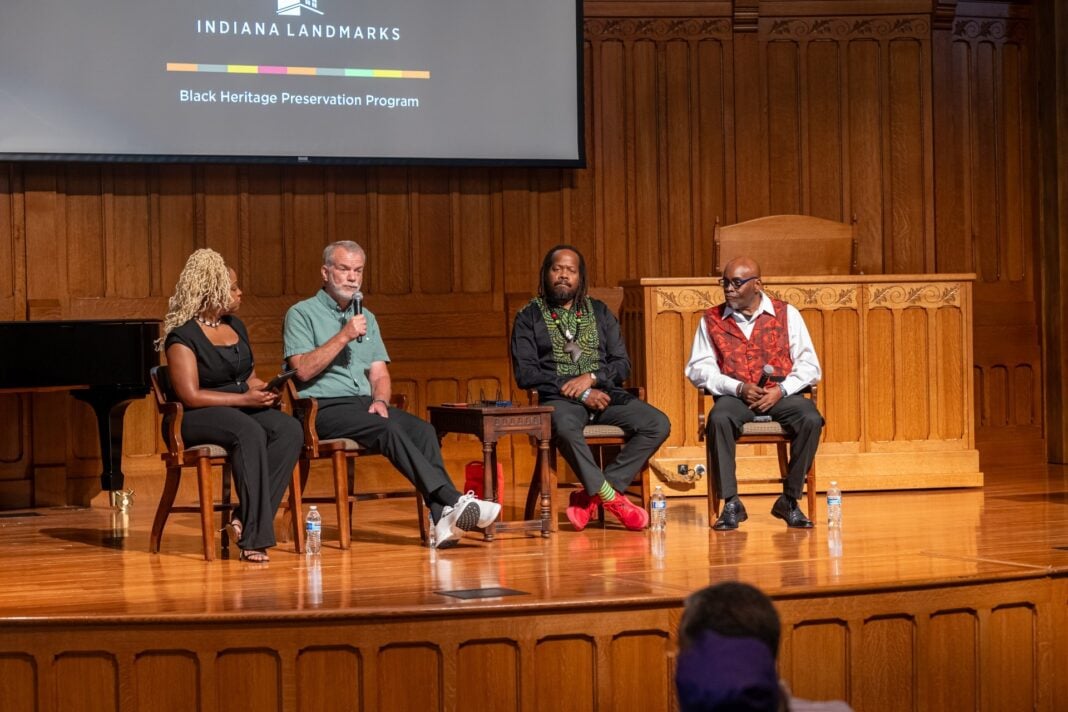
Following the screening, attendees participated in a panel discussion featuring the president of the Kingston Division UNIA-ACL, Steven Golding, historians and other community voices. The discussion was moderated by multimedia journalist Ebony Chappel, who guided the conversation surrounding Garvey’s impact, his connection to the African diaspora and his continued relevance.
“In 2025, when President Joe Biden issued Garvey a posthumous pardon for fraud that was a “cosmetic victory” rather than a “true exoneration,” said Steven Golding. “A pardon removes the stigma of a criminal conviction; it does not clear the legal record. An exoneration would have been better due to having broader implications, leading to potential civil suits and reparation claims”.
This conversation emphasized the importance of educating communities about Black history and preserving the stories of those who have shaped the Black experience—specifically when the erasure of Black history erasure is so prevalent.
“It all starts at home,” said Ronald J. Stephens, professor of African American Studies at Purdue University. “If we want to prevent the erasure of our history, we need to pass down the stories and experiences of our past, to our children and grandchildren.”
Panelists shared historical perspectives and insights on Garvey’s work while discussing how his advocacy influenced generations of Black leaders and communities around the world.
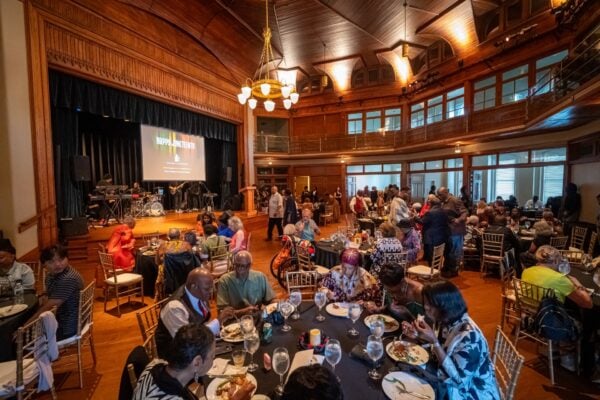
The event concluded with a reception honoring Charlitta and Robert Winston for their contributions to the community and commitment to preserving Black history and heritage. The celebration included live music, dancing, a buffet and refreshments, with performances from a live band and singer Alaina Renae.
Trotter, who leads Indiana Landmarks’ Black Heritage Preservation Program, spoke about the importance of documenting and protecting sites connected to Indiana’s Black History. She also highlighted several locations that have been preserved and restored across Indiana’s 92 counties.
“The Black Heritage Preservation Program’s mission is to uncover documents and preserve a direct connection to our history,” stated Trotter. “My main goal for people in attendance was for them to gain knowledge of our history and insight into how Black progress can be made and improved.”
Through the program, Trotter works to identify significant locations, preserve historical narratives and bring greater awareness to the contributions of Black communities throughout the state.
“In the future, my hope for our program BHPP is to receive more additional funding to have the opportunity of preserving more black establishments that hasn’t been told in our everyday history,” said Trotter. “A people who don’t know their history are like a tree unrooted.”
Through education, discussion and community celebration, Indiana Landmarks’ Black Heritage Preservation Program aims to preserve Black history and ensuring these stories remain accessible for future generations.
Regina Graves is a Recorder intern and a student at IU Indianapolis.