If you spend enough time around people who are building wealth, you’ll notice something interesting.
I belong to several real estate investing groups, and there’s one person in particular we’ll call Todd. He’s a familiar face. He rarely misses a meeting. He takes pages of notes, asks thoughtful questions and has built relationships with experienced investors.
He’s been showing up for more than three years. He hasn’t bought a single property.
Todd’s story isn’t unusual. In fact, I think many of us have a little bit of Todd in us.
We spend time gathering information, waiting for the perfect opportunity or convincing ourselves that one more class, one more book or one more conversation will make us ready.
But wealth isn’t built by knowing more. It’s built by knowing what you’re building toward.
Before deciding how to build wealth, it’s worth asking a simpler question: What are you actually trying to build?
For some, the answer is freedom — the ability to choose work they enjoy instead of work they have to take.
For others, it’s stability. Knowing an unexpected expense won’t become a financial crisis. For many families, it’s about creating opportunities their children and grandchildren won’t have to fight as hard to find.
Those goals may look different, and they deserve a strategy that reflects your own priorities—not someone else’s expectations.
Too often, we confuse movement with progress. We celebrate the next investment, the next purchase or the next business idea without stopping to ask whether it actually fits the life we’re trying to create.
Owning more isn’t always the same as building more. Sometimes the wisest financial decision isn’t the biggest one. It’s the one that creates consistency over time. I’ve also learned that many people underestimate what they already have.
Skills developed over decades. Relationships built through trust. A business that serves its community well. A home that’s quietly grown in value. Experience that younger generations are eager to learn from.
Those aren’t small things. They’re assets, even if they don’t always show up in a bank account.
When we recognize them as part of our foundation, we stop believing we have to start from zero every time we think about building wealth.
Another distraction is believing everyone else is getting there faster.
Social media celebrates milestones but rarely shows the years of preparation, setbacks and ordinary decisions behind them.
Real wealth is usually much quieter.
It’s built by making thoughtful decisions over and over again. Living below your means when you can. Investing consistently. Growing a business patiently. Choosing long-term stability over short-term appearances.
Those choices rarely go viral, but they’re the ones that tend to last.
The conversations we have about wealth matter, too.
For generations, many families talked about surviving. Paying the bills. Making it through another month. Those conversations were rooted in real circumstances.
Today, many of us have an opportunity to expand that conversation — not by forgetting where we’ve been, but by asking different questions.
What am I building? What matters most to me? Will the decisions I’m making today create more options for the people who come after me?
Those questions don’t have one right answer. They shouldn’t.
Because the best wealth strategy is the one you’ll keep following long after the excitement wears off. It reflects your values, your responsibilities and the future you’re trying to create.
Todd may eventually buy his first investment property, or he may decide his path to building wealth looks completely different.
Either way, the first step isn’t choosing an investment. It’s deciding what you’re building toward.
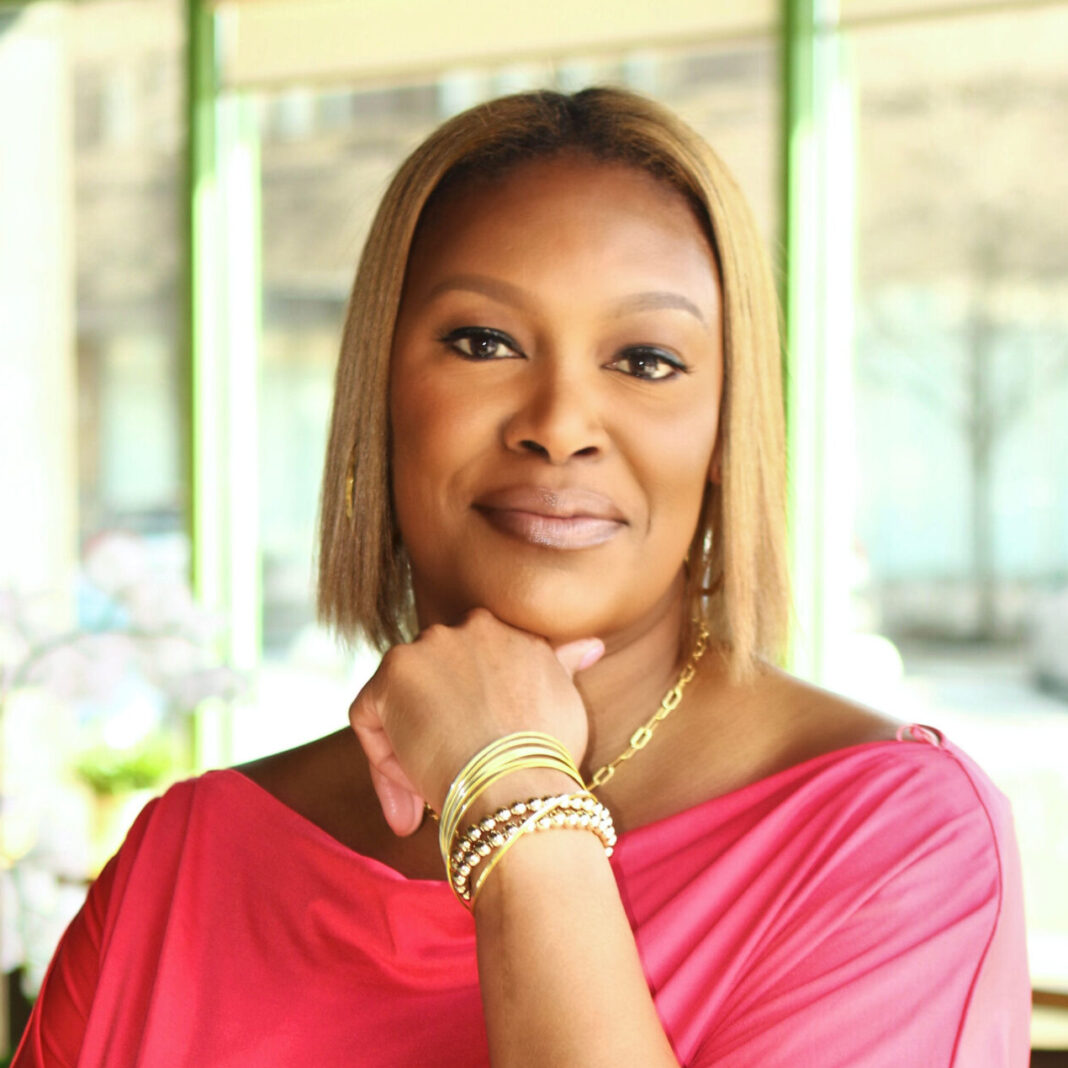
Darice Rene is a business strategist, commercial real estate broker and real estate investor. She writes about ownership, long-term stability and building lasting legacies through thoughtful decision-making.

Darice Rene (hello@daricerene.com) is a business strategist, real estate investor and commercial real estate broker based in Indianapolis. Her work focuses on ownership, long-term stability and legacy-building.