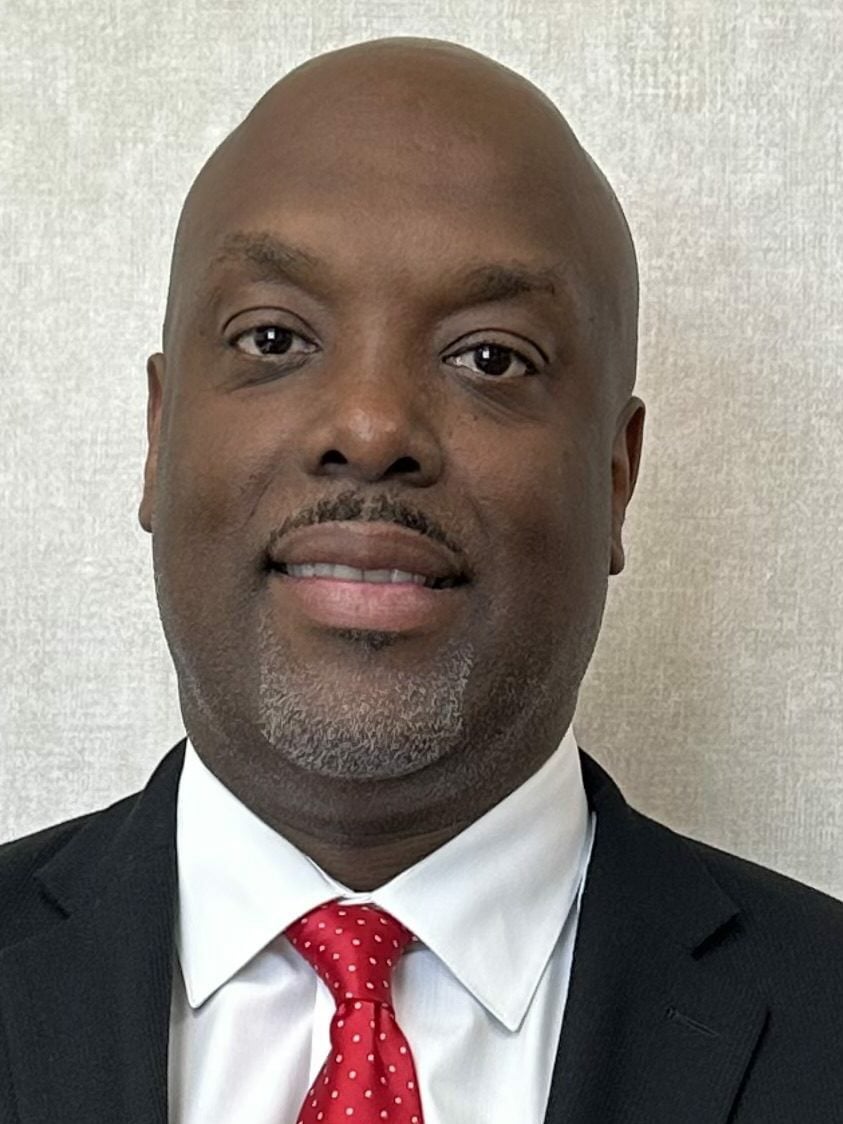
By KELIN MARK
Walk into almost any school in America and ask students what they want to be when they grow up, and you’ll hear a wide range of answers — athlete, influencer, entrepreneur, doctor, engineer. But if you listen closely, you’ll also hear something else: the quiet influence of culture, family, and exposure shaping those answers long before a child ever fills out a college application.
In some communities, career paths are not left to chance. They are guided — intentionally. Many families emphasize professions like medicine, engineering, law and technology — not by accident, but as a strategy. A strategy rooted in stability, upward mobility and generational advancement.
And that raises a question worth wrestling with: Is that pressure — or is it preparation?
Too often, we frame these conversations around control. We say parents are “pushing” their children into certain careers. But what if, in many cases, what we’re really seeing is a form of cultural planning? A recognition that access, opportunity and economic security are not evenly distributed — and that certain pathways have historically offered a more reliable return.
For many families, especially those who have experienced instability or sacrifice, the goal is simple: position the next generation to have options we didn’t have.
That’s not pressure; it’s purpose.
But here’s where the conversation becomes more complex — especially within the Black community.
For years, we have rightfully emphasized freedom, individuality and the importance of letting our children “be who they are.” And that matters. Our children should not feel boxed in or limited by someone else’s expectations.
But we also have to ask ourselves a harder question: Are we equipping them with enough exposure, information and preparation to make informed choices — or are we asking them to figure it out on their own?
Because freedom without exposure isn’t really freedom. It’s guesswork.
A student cannot aspire to become what they have never seen. They cannot pursue opportunities they’ve never been introduced to. And they cannot make informed decisions without access to information, networks and guidance.
This is where the real gap exists — not in talent, not in potential, but in exposure.
In many cases, students aren’t choosing between becoming a doctor, an engineer or a software developer. They’re choosing between what’s visible and what’s familiar. And too often, high-opportunity, high-growth careers remain invisible — not because our children aren’t capable, but because no one has intentionally pulled back the curtain.
So, the question is not: Should Black families push their children into certain careers?
The better question is: What would it look like for us to be more intentional about exposing, preparing and positioning our children for pathways that create long-term stability, wealth and community impact — without limiting who they are?
That’s a different conversation. It shifts us from pressure to preparation.
Preparation looks like early career conversations at the dinner table.
It looks like connecting our children to professionals who look like them.
It looks like schools creating partnerships that bring real-world exposure into the classroom.
It looks like parents — and fathers in particular — being present not just in discipline or support, but in direction.
This is where I believe schools and families must work together more intentionally. We cannot continue to operate as if career development begins in high school or college. By then, many decisions have already been shaped by years of exposure — or lack of it.
If we are serious about changing outcomes, we have to start earlier. We have to be more deliberate. And we have to recognize that guiding our children is not the same as controlling them.
It’s preparing them.
There is a balance to be struck. Our children should have the freedom to pursue their passions — but they should also understand the landscape. They should know which careers create stability, which ones build wealth and which ones open doors not just for them, but for their families and communities.
Because in many cultures, success is not viewed as an individual achievement — it’s a collective one. One person’s success has the power to change the trajectory of an entire family.
Imagine what could happen if we approached our children’s futures with that same level of intentionality. Not to limit them. Not to pressure them, but to prepare them.
So maybe the question we should be asking isn’t whether we’re pushing our kids too hard.
Maybe the real question is this: Are we preparing them enough?
Because when we combine exposure with opportunity, guidance with freedom, and presence with purpose — we don’t just help our children succeed.
We change what’s possible for the next generation.
Kelin Mark is an educator and contributing columnist for the Indianapolis Recorder.
For more, visit indianapolisrecorder.com.

Kelin Mark is an educator, consultant, and co-founder of The Dad Difference. Follow him on Instagram @assisttheprincipal. Visit his website at www.kelinmark.com.