
The journey to parenthood is often described as a single moment, but in reality, it spans far longer — from trying to conceive to pregnancy, labor and years of postpartum recovery. In Indiana, that journey is too often marked by preventable risks, underscoring the need for stronger support systems for families.
Ahead of Black Maternal Health Week, nationally recognized April 11-17 each year,, advocates are calling for increased awareness and integration of doulas into maternal health care.
This spring, those efforts will take center stage at the Indiana Doula Conference, presented by Cradle Indy, on May 16, 2026 at the University of Indianapolis.
The conference is expected to bring together more than 150 birth workers, educators and maternal health leaders to address ongoing disparities and explore solutions aimed at improving outcomes for families across the state.
Preventable risks and persistent disparities
Indiana continues to face some of the most serious maternal health challenges in the country. According to the Indiana Department of Health, approximately 80% of pregnancy-associated deaths in the state are considered preventable, and the state’s maternal mortality rate consistently ranks among the highest nationwide.
Those disparities are even more pronounced for Black women, who are two to three times more likely to die from pregnancy-related causes than white women, according to the Indiana Maternal Mortality Review Committee and the Centers for Disease Control and Prevention.
For Erin Brier, founder of the Indiana Doula Conference, the issue is driven by multiple systemic barriers.
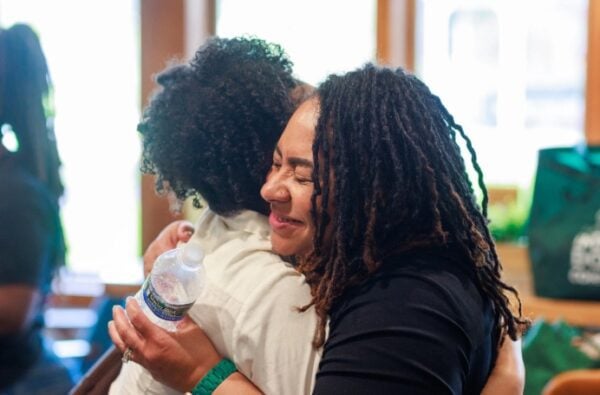
“I think it’s a very, of course, layered question,” Brier said. “But if I had to really kind of hone in on just a couple of factors, I really would say education, or I should say lack of education and limited access to care.”
Brier pointed to the growing number of maternity care deserts across the state as one of the most pressing concerns.
“Twenty out of Indiana’s 92 counties are considered to have no real support and care close by,” Brier said. “There’s other issues like reliable transportation. Some women are truly scared to be seen and go to the doctor. We also have lack of child care and different kinds of factors and barriers that people are dealing with to even get in to see and receive care.”
The role of doulas in closing the gap
Doulas — trained professionals who provide emotional, physical and educational support before, during and after childbirth — are increasingly recognized as a critical part of the solution.
Research from the American College of Obstetricians and Gynecologists shows that doula support is associated with lower rates of cesarean births, fewer complications and improved maternal satisfaction.
“We are a part of the maternal health team, no matter where a family chooses to deliver their baby,” Brier said. “What we really provide is educational, emotional and physical support before, during, and after labor.”
Brier emphasized that doulas can help families navigate complex health care systems and advocate for themselves throughout the process.
“When families feel informed, supported and heard, outcomes improve,” she said. “Doulas are there to ensure families never feel alone during pregnancy and birth.”
That support is especially critical for Black families, who are disproportionately impacted by poor maternal health outcomes.
“There are really so many different areas that affect the quality of care that Black families and women and birthing people are able to access,” Brier said. “And again, we know that 80% of those deaths are preventable and truly doulas are kind of that safeguard.”

Building a collaborative model of care
The 2026 conference, themed “Beyond Support, Essential to Care,” aims to reframe how doulas are viewed within the broader health care system.
“We’re talking about [the theme] as what we need to do to make doulas an essential part of the birth team as they are,” Brier said.
In addition to professional development sessions, the conference will focus on collaboration between doulas, doctors, nurses and other health care providers — an approach Brier says is key to improving outcomes statewide.
“It’s all about how do we come together as peers and see that we have the common goals,” she said.
The event will also feature a keynote address from veteran birth professional Bonnie Collins and offer networking opportunities for attendees.
While designed primarily for doulas, the conference is open to a wide range of professionals who support families during pregnancy and postpartum.
“Anyone who either works with families who are pregnant or birthing or postpartum, or anybody who works alongside doulas can really benefit from attending the conference,” Brier said.

Expanding access and awareness
Conference organizers say increasing awareness about doula care remains one of the biggest challenges — and opportunities — in improving maternal health outcomes.
“I think that at the very first time someone seeks care… it should always be a top priority… to educate families about doula care,” Brier said.
As Indiana continues to grapple with high maternal mortality rates and persistent racial disparities, events like the Indiana Doula Conference aim to push the conversation forward — and ultimately, save lives.
Tickets for the conference are available online; general admission is $125, and limited scholarship tickets are $50. More information can be found at indianadoulaconference.com.
This reporting is made possible by a grant from the Indianapolis African-American Quality of Life Initiative, empowering our community with essential health insights. https://iaaqli.org/
Contact Health & Environmental Reporter Hanna Rauworth at 317-762-7854 or follow her on Instagram at @hanna.rauworth.

Hanna Rauworth is the Health & Environmental Reporter for the Indianapolis Recorder Newspaper, where she covers topics at the intersection of public health, environmental issues, and community impact. With a commitment to storytelling that informs and empowers, she strives to highlight the challenges and solutions shaping the well-being of Indianapolis residents.