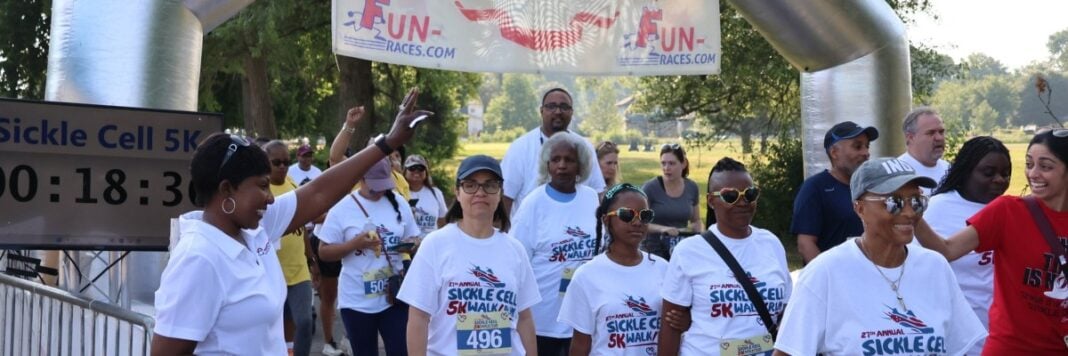
The Martin Center Sickle Cell Initiative is preparing to host its 30th annual Sickle Cell Awareness 5K Walk on June 6 at Riverside Park, an event designed to raise awareness, support families and bring visibility to sickle cell disease.
Registration begins at 7:30 a.m., with the walk starting at 8 a.m. and running until noon. Organizers said more than 300 people had registered at the time of the interview, with participants encouraged to sign up in advance through the Martin Center’s website.
For Sherry Coleman, president and CEO of the Martin Center, the walk is both a longstanding fundraiser and a way to bring the community together around education and support.
“This is our 30th annual 5K walk this year,” Coleman said. “It’s a great fundraiser for everyone to come out, you know, families and extended families, so it’s for everyone.”
What is sickle cell disease?
Sickle cell disease is a blood disorder that affects hemoglobin, the protein in red blood cells that carries oxygen throughout the body. In people with the condition, red blood cells can become rigid and shaped like a crescent or “sickle,” rather than being round and flexible.
Those misshapen cells can block blood flow through small blood vessels, reducing oxygen delivery to tissues and causing episodes of severe pain known as sickle cell crises. Over time, the disease can also lead to complications such as organ damage, stroke risk, infections and chronic fatigue.
Carlin Hill, who has lived with sickle cell disease since early childhood, said his first crisis occurred when he was 2 years old.
“I think my mom told me my first episode or crisis with sickle cell, I was 2 years old, so I’ve dealt with sickle cell pretty much all my life,” Hill said.
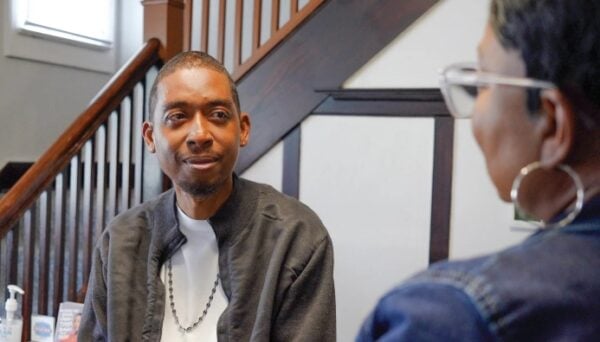
While symptoms can vary, Hill said he experienced fewer complications as a child but saw the disease become more severe in adulthood. He now takes daily steps to reduce the risk of crises, including careful attention to hydration, diet and environmental triggers.
“I make sure that I stay hydrated,” Hill said. “I don’t drink any alcohol. Those can cause a crisis. I make sure I eat lots of fruit and lots of vegetables. I watch what I put in my body.”
Hill said triggers such as dehydration, stress, infection and environmental conditions can increase the likelihood of a pain episode, making day-to-day management essential.
Martin Center support and services
Coleman said the Martin Center provides year-round support for individuals and families affected by sickle cell disease, especially those navigating medical and financial challenges.
“We help with all basic needs,” Coleman said. “That’s utilities, rent, healthy groceries and medical transportation for their appointment.”
The organization also hosts monthly support groups and educational programming focused on nutrition, mental wellness and disease management, often bringing in medical professionals to speak with clients and caregivers.
“We bring doctors in to speak with them about the disease and how to maintain the best health that they can maintain,” Coleman said.
Lived experience and long-term challenges
For Hill, sickle cell disease has had lasting impacts beyond pain crises. He said the condition can affect multiple organs and lead to serious complications over time.
“I had lost my kidney function as a result of sickle cell,” Hill said. “I had to spend a little more than four years on dialysis before I was able to receive a kidney transplant from a living donor who was my sister-in-law at the time.”
He also described how the disease can interfere with basic daily activities during flare-ups.
“When I’m having a bad day with sickle cell, it’s hard to walk,” Hill said. “It’s hard to get in and out of the car. Walking up steps, you know, just simple tasks like washing the dishes or cleaning the bathroom make it extremely difficult.”
In addition to physical symptoms, Hill said the condition often requires frequent hospital visits, lab work and ongoing care from hematology specialists, which can disrupt work and daily life.

Why the walk matters
Coleman said the annual walk plays a key role in raising awareness about a disease that is often misunderstood and under-recognized, despite its serious health impacts.
She emphasized that sickle cell disease affects people across different backgrounds and should receive the same level of attention and support as other major illnesses.
“I want people to know that it’s like anything else, leukemia, cancer,” Coleman said. “The sickle cell is just as important.”
Hill said the event also helps build community among people living with the disease, their families and supporters.
“It’s a wonderful event,” Hill said. “There’s a lot of participation. There are lots of vendors, and it’s a great tool to just bring about awareness to those who don’t know about sickle cell.”
He encouraged others affected by the disease to stay connected to support systems, including family, faith communities and programs like those offered through the Martin Center.
Hill promoted “surrounding yourself with friends and family, people that love you, people that care about you.”
Coleman said the goal of the walk is not only fundraising, but education, visibility and long-term support for families navigating sickle cell disease.
For more information and to register for the walk, visit themartincenter.org/events/30th-annual-sickle-cell-5k-runwalk.
This reporting is made possible by a grant from the Indianapolis African-American Quality of Life Initiative, empowering our community with essential health insights. https://iaaqli.org/
Contact Health & Environmental Reporter Hanna Rauworth at 317-762-7854 or follow her on Instagram at @hanna.rauworth.

Hanna Rauworth is the Health & Environmental Reporter for the Indianapolis Recorder Newspaper, where she covers topics at the intersection of public health, environmental issues, and community impact. With a commitment to storytelling that informs and empowers, she strives to highlight the challenges and solutions shaping the well-being of Indianapolis residents.