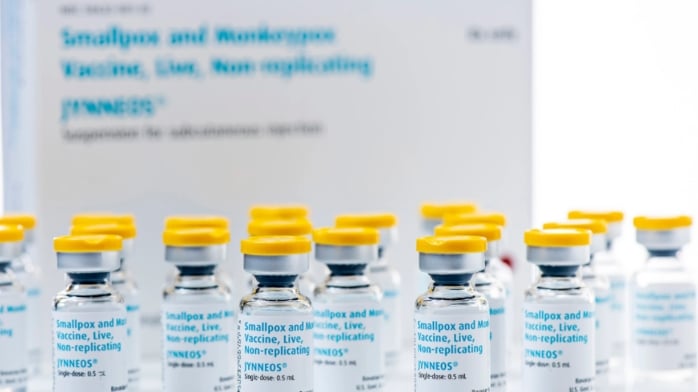
In the summer of 2022, mpox cases surged across the United States, prompting public health agencies to declare emergencies, expand vaccine access and launch widespread education campaigns. The outbreak disproportionately affected gay, bisexual and other men who have sex with men, with thousands of cases reported nationwide.
Today, the emergency has faded from the headlines, but health experts say mpox has not disappeared.
“Cases have sort of gone away in the media, but the fact is it is not over,” said Dr. Melvin Sanicas, global medical lead at Bavarian Nordic. “It is low level, but it is still circulating, and most cases continue to occur among people who are unvaccinated or not fully vaccinated.”
To help keep the virus from regaining momentum, the Damien Center is partnering with Bavarian Nordic to raise awareness about mpox and improve vaccine access in Indianapolis.
Who should get vaccinated?
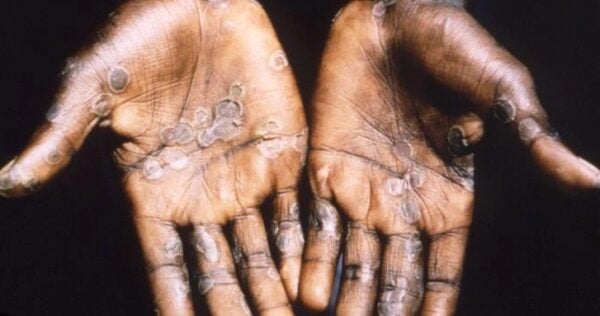
Mpox spreads primarily through close skin-to-skin contact, especially intimate or sexual contact with someone who has infectious lesions or symptoms.
While anyone can contract the virus, the current U.S. outbreak has been concentrated within specific sexual networks, particularly among gay, bisexual and other men who have sex with men.
“This is really targeted prevention,” Sanicas said. “It’s how we get vaccines, testing and information to the people who are most likely to benefit from it.”
Brad Plunkett, chief pharmacy officer at the Damien Center, said people with compromised immune systems, including those living with HIV, should also consider vaccination because they are more vulnerable to severe illness.
“If you can prevent it, you want to prevent it,” Plunkett said. “The alternative is much worse.”
Why two doses matter
Health experts say vaccination remains the most effective tool for preventing infection and reducing severe illness.
One dose of the vaccine provides about 75% protection, according to real-world data, while two doses increase effectiveness to 85%-90%.
“One dose is helpful but incomplete, and two doses are the goal,” Sanicas said.
The vaccine is administered in two doses, given four weeks apart.
Plunkett compared an mpox infection to a shingles outbreak because of the pain and discomfort it can cause.
“It is not something that, if you can prevent it, you want to deal with,” he said.

A timely reminder during Pride Month
As Indianapolis celebrates Pride Month and residents prepare for festivals, parties and summer travel, health experts say now is an important time to think about prevention.
Sanicas pointed to recent research suggesting some mpox infections may go unnoticed, allowing the virus to continue spreading.
“There is hidden transmission going on, so it means that we cannot rely only on visible rashes to control mpox,” he said.
“It’s really important to get vaccinated, especially now that we have all these activities coming in June.”
Where to get the vaccine
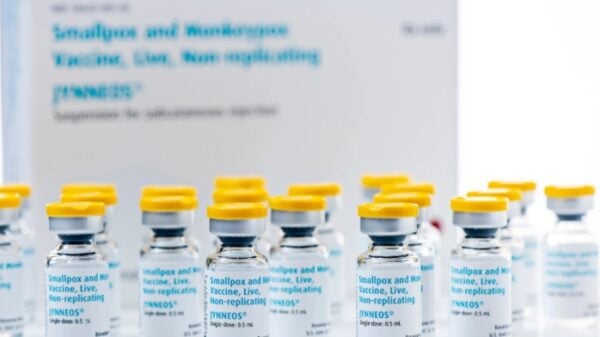
The Damien Center offers mpox vaccinations through its pharmacy and primary care clinic. During June, walk-in vaccination clinics are available on Tuesdays and Thursdays from 11:30 a.m. to 1:30 p.m. Most insurance plans cover the vaccine as preventive care.
For uninsured individuals, Plunkett said the organization is working with the Marion County Public Health Department to offer the vaccine at no cost.
Organizations like the Damien Center play an important role in making vaccines and information accessible, Sanicas said.
“People may know about mpox and the vaccine, but they may not know where to get vaccinated,” he said.
His message to Indianapolis residents is straightforward: “Mpox is no longer a crisis, but it is still a prevention priority. One dose helps, two doses are better.”
For more information about mpox and to find vaccination locations, visit Empowered Against Mpox at empoweredagainstmpox.com or contact the Damien Center at damien.org.
This reporting is made possible by a grant from the Indianapolis African-American Quality of Life Initiative, empowering our community with essential health insights. https://iaaqli.org/
Contact Health & Environmental Reporter Hanna Rauworth at 317-762-7854 or follow her on Instagram at @hanna.rauworth.

Hanna Rauworth is the Health & Environmental Reporter for the Indianapolis Recorder Newspaper, where she covers topics at the intersection of public health, environmental issues, and community impact. With a commitment to storytelling that informs and empowers, she strives to highlight the challenges and solutions shaping the well-being of Indianapolis residents.